
2026 Best BPA Free Feeding Bottles for Global Buyers

Choosing the right feeding bottle bpa free product is not a simple matter of reading one label. Global buyers must examine materials, testing evidence, design details, and supplier reliability together. A bottle may claim “BPA-free,” yet still require closer inspection of its nipple, cap, seal, printing, and packaging.

Dr. Leonardo Trasande, a leading researcher in endocrine-disrupting chemicals, has said, “We should reduce unnecessary exposure to endocrine-disrupting chemicals whenever practical.” This principle is useful for feeding products. It encourages careful decisions without creating unrealistic fear. Parents and distributors should request compliance documents, migration-test results, manufacturing details, and clear instructions for cleaning and replacement.

Small details matter. Look for food-contact materials, heat-resistant markings, smooth internal surfaces, and parts that do not trap cloudy milk residue. A wide neck can simplify washing. A secure seal can prevent leaks inside a travel bag. However, no bottle is perfect. BPA-free does not automatically mean chemical-free, indestructible, or suitable for every temperature.

This 2026 guide examines the best options for international buyers, including plastic, glass, and silicone designs. It considers safety information, usability, durability, sustainability, and supply-chain transparency. Regional standards may differ, so buyers should verify current requirements in each destination market. Product claims also deserve independent checking. That step is sometimes overlooked.

The strongest choice is not always the most expensive bottle. It is the one supported by credible evidence, practical testing, and honest communication. Safety begins with details.
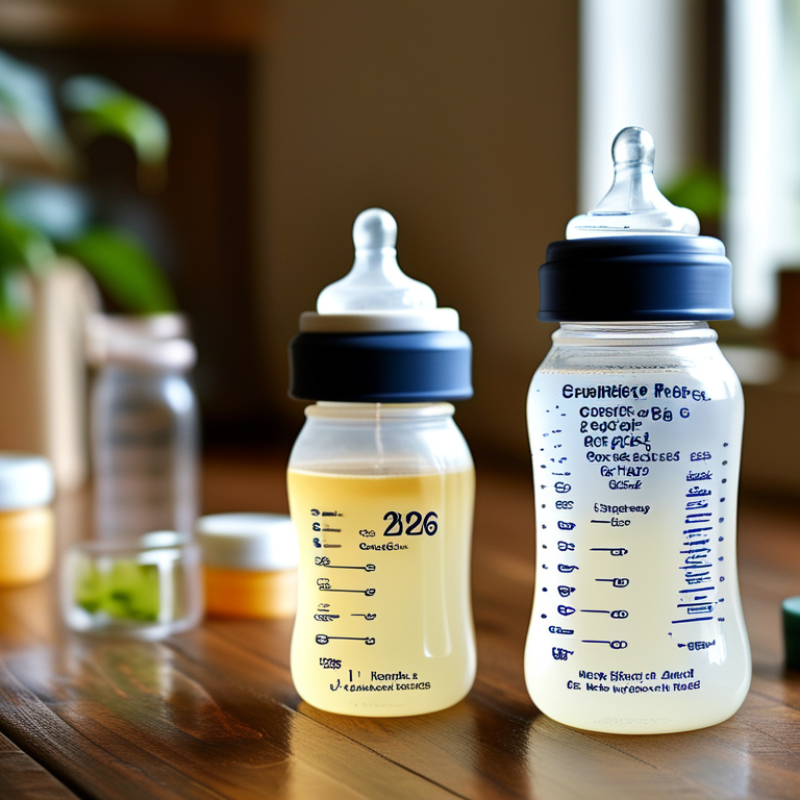
2026 Best BPA Free Feeding Bottles for Global Buyers

What BPA-Free Means in Baby Feeding Bottles

BPA-free means a baby feeding bottle is made without intentionally adding bisphenol A, a chemical once used in some polycarbonate plastics. However, the label alone does not explain the whole product. Buyers should check the bottle, nipple, cap, collar, and measuring marks separately. Different materials may be used in one set. A clear compliance statement and recent test documentation offer stronger evidence than packaging language.

For global buyers, material information matters. Polypropylene is lightweight and commonly used, while glass offers a solid, non-plastic option. Silicone nipples should feel flexible, but not sticky or unusually soft. Check whether the bottle keeps its shape after warm-water washing. Small details matter. A BPA-free claim does not automatically confirm suitability for every temperature or cleaning method. Regional requirements may also differ, so suppliers should provide traceable documents for the intended market.

Tips: Ask for the full material list and independent test reports. Inspect the cap threads and sealing ring for gaps. Confirm cleaning instructions before bulk orders. I sometimes see buyers focus on the bottle body and overlook the nipple. That is an easy mistake. Replace damaged or cloudy parts, even when the original product was properly tested.

Key Safety Standards for Global Bottle Buyers in 2026

In 2026, global buyers should treat BPA-free status as a starting point, not a complete safety assessment. The bottle, teat, cap, seal, ink, and colorant may contact milk or saliva. Each material needs suitable food-contact evidence. A supplier should provide recent migration test reports from an accredited laboratory. Ask for the tested model, material grade, production date, and report scope. “BPA-free” can be too narrow. Other substances still require review.

Requirements differ by market. European buyers should review applicable food-contact plastics rules, including Regulation (EU) No 10/2011, along with product safety requirements. United States buyers should check relevant FDA food-contact provisions and children’s product rules, including CPSIA where applicable. EN 14350 may help assess drinking equipment for young children. These references do not replace local compliance checks. One certificate is not enough.

During sourcing, inspect batch coding, feeding-temperature instructions, cleaning limits, and replacement guidance. Confirm that silicone or plastic parts do not develop cracks after repeated washing. Keep records. A certificate can look reassuring, yet it may cover only one material or production batch. I still see buyers focusing on the bottle body while overlooking the seal. That mistake is easy to make. Ask for traceability from raw material to finished shipment, and verify that test samples match the goods being purchased.

How to Compare Materials, Designs, and Feeding Features

Global buyers should compare materials before counting feeding features. Polypropylene is lightweight and resists breaking, but it may retain milk odors after repeated heating. Glass offers a stable surface and easier visual inspection. It is heavier, though, and needs a protective sleeve for travel. Food-grade silicone feels soft and can reduce noise, but buyers should verify its temperature range and independent migration testing.

BPA-free is only one checkpoint. The European Food Safety Authority’s 2023 scientific opinion set BPA’s tolerable daily intake at 0.2 nanograms per kilogram of body weight per day. This finding makes material documentation more important than a front-label claim. Ask suppliers for current food-contact test reports, batch traceability, and clear sterilization instructions. A certificate without a matching product code is weak evidence.

Design affects daily use. A wide neck simplifies filling and cleaning, while measurement markings support consistent portions. Anti-colic vents may reduce swallowed air, but their performance depends on assembly and feeding position. WHO and UNICEF reported a global exclusive breastfeeding rate of 48% for infants under six months in 2023. Therefore, bottle buyers should prioritize flexible nipple flow options rather than one universal design. Very slow flow suits early feeding; faster flow may help older infants. It can still overwhelm some babies. In practical supplier checks, I would test leakage after repeated washing, inspect the vent for trapped residue, and question claims that lack published methods.

2026 Best BPA Free Feeding Bottles for Global Buyers - How to Compare Materials, Designs, and Feeding Features

Bottle Category Common BPA-Free Material Typical Capacity Range Key Material Properties Transparency Weight and Durability Feeding and Design Features Cleaning and Sterilization Considerations Best Fit for Global Buyers
Polypropylene Bottle PP
A lightweight thermoplastic commonly used for food-contact containers.
120–330 mL Lightweight, impact-resistant, and generally more affordable than glass. Suitable for warm and hot liquid handling when the product instructions permit it. Usually translucent or semi-opaque; liquid level may be less visible than with glass. Very light and resistant to breakage. May show scratches or surface wear after extended use. Wide-neck options, measurement markings, screw rings, vented collars, and interchangeable silicone nipples are widely available. Often dishwasher-compatible, but the manufacturer’s temperature and rack-position instructions should be followed. Inspect for cracks, warping, or deep scratches. Cost-sensitive programs, travel use, daycare supply, and high-volume purchasing where low weight and break resistance are priorities.
PPSU Bottle PPSU
A high-performance, BPA-free engineering thermoplastic used in reusable feeding products.
160–330 mL High heat resistance, good chemical resistance, and strong impact performance. Often selected for repeated sterilization cycles. Amber or tea-colored; the natural tint does not usually indicate contamination or damage. Lighter than glass and highly resistant to shattering. Usually priced above standard PP. Commonly paired with anti-colic vent systems, ergonomic grips, wide-neck openings, and multiple silicone flow rates. Frequently compatible with steam sterilization, boiling, or dishwashers, subject to the specific product instructions. Check for clouding, deformation, or worn markings. Buyers seeking a premium reusable bottle for frequent sterilization, hospitals, maternity services, and long-term household use.
Borosilicate Glass Bottle Borosilicate Glass
BPA-free glass body with silicone or polypropylene external components.
120–270 mL Non-porous, odor-resistant, and less likely to retain color or flavor. Resistant to thermal shock compared with ordinary glass, but not unbreakable. Clear; provides easy visibility of liquid level, color, and residue. Heavier than plastic and can break if dropped. A silicone sleeve can improve grip and provide limited impact protection. Often includes protective sleeves, wide openings, secure screw caps, measurement graduations, and soft silicone nipples. Usually easy to clean and commonly suitable for boiling or steam sterilization when all components are compatible. Avoid sudden temperature changes and inspect for chips or cracks. Buyers prioritizing odor resistance, product transparency, and a glass body for home use or premium retail positioning.
Silicone Bottle Food-Grade Silicone
Flexible silicone body with a silicone nipple and plastic collar or cap.
150–250 mL Soft, flexible, and resistant to shattering. Silicone generally has good temperature tolerance, but the approved temperature range varies by formulation and design. Usually translucent or lightly tinted; visibility depends on wall thickness and color. Lightweight and collapsible. The flexible body can be more susceptible to deformation, surface lint, or damage from sharp objects. Squeezable designs may support assisted feeding. Collapsible formats are useful for storage and travel, while wide openings simplify filling. Many models are dishwasher- and sterilizer-compatible. Separate the nipple, collar, valve, and body during cleaning to reduce residue buildup. Travel-focused buyers, space-saving product lines, and users who prefer a soft, lightweight bottle with flexible handling.
Stainless Steel Bottle 304 Stainless Steel
Food-contact stainless steel body with BPA-free plastic or silicone accessories.
180–330 mL Strong, odor-resistant, and highly resistant to dents compared with thin plastic. The inner surface is opaque and does not show liquid level. Opaque; measurement windows or external graduations may be needed for portion control. Durable and reusable, with moderate weight. The body can become hot or cold depending on the liquid temperature unless insulated. May include insulated double-wall construction, wide-neck openings, silicone sleeves, and removable vented feeding systems. Clean promptly after use. Use non-abrasive tools and verify whether the bottle is dishwasher-safe. Avoid storing acidic liquids for longer than recommended. Buyers emphasizing long service life, odor resistance, durability, and reduced reliance on disposable products.
Natural-Rubber-Nipple System BPA-Free Bottle Body
Usually combined with a PP, PPSU, glass, or silicone bottle body; nipple material is natural rubber latex.
120–270 mL The bottle material determines heat and impact performance. Natural rubber nipples are soft but may be less resistant to aging than silicone nipples. Depends on the selected bottle body. Depends on the selected bottle body. Natural rubber nipples normally require more frequent inspection and replacement. Soft nipple feel and age-specific flow options may be available. Latex sensitivity must be considered before purchase. Follow the nipple supplier’s sterilization guidance. Replace the nipple when it becomes sticky, cracked, swollen, discolored, or damaged. Buyers seeking a soft natural-rubber nipple, provided that latex labeling and applicable market requirements are clearly addressed.
Buyer checklist: Confirm the bottle body, nipple, cap, valve, and printed inks are suitable for the intended food-contact market. Request BPA-free declarations, material specifications, migration or food-contact test reports, capacity and measurement accuracy, sterilization instructions, replacement-part availability, and age-specific nipple-flow information. “BPA-free” applies specifically to bisphenol A and does not by itself confirm that every component is free from all other chemicals or allergens.

Best BPA-Free Bottle Types for Different Baby Needs

Choosing the best BPA-free feeding bottle depends on a baby’s age, feeding pattern, and caregiver routine. Newborns often need narrow-neck bottles with slow-flow nipples. These can help reduce gulping and dripping. Premature or easily tired babies may need specialist guidance before changing nipple flow. Always follow advice from a pediatric professional.

Wide-neck bottles suit caregivers who prefer easier cleaning and breastmilk-style nipples. Their broader openings can simplify powder mixing, but they may spill during rushed nighttime feeds. Glass bottles offer strong odor resistance and easy visual inspection. They are heavier and can break if dropped. Food-grade silicone bottles are soft, lightweight, and useful for travel. However, they may retain a slight smell after repeated heating.

PPSU and other regulated BPA-free plastics are practical for daily use. Check the material, temperature limits, and safety information before purchase. BPA-free does not automatically mean every bottle is suitable for boiling, sterilizing, or microwaving. Inspect nipples for tears, cloudiness, or thinning. Replace damaged parts promptly. I once underestimated how quickly a nipple could wear during frequent washing. That small oversight can affect feeding safety. Choose bottles with clear measurement marks, secure caps, and parts that separate fully for cleaning. A perfect type does not exist; the best choice may change as the baby grows.

Global Sourcing Factors: Certifications, Costs, and Suppliers

For global buyers, BPA-free is a starting point, not a complete safety claim. The European Commission’s Regulation (EU) No 10/2011 controls plastic food-contact materials, while EN 14350 covers drinking equipment for young children. Requirements differ by destination. A supplier’s “BPA-free” statement cannot replace batch-specific migration testing. Ask for laboratory reports, material declarations, traceability records, and factory quality procedures. Check the test method and report date carefully.

Costs depend on more than the bottle unit price. Tooling, silicone parts, packaging, inspection, certification, minimum order quantity, and ocean freight can change the landed cost sharply. UNCTAD’s Review of Maritime Transport 2023 documents continued volatility in container shipping conditions, so buyers should request validity periods for freight quotations. Plastics Europe’s Plastics—the Fast Facts 2023 reports 400.3 million tonnes of global plastics production in 2022. That scale supports competitive resin pricing, but food-grade material availability still varies by region.

Supplier selection needs evidence. Request samples from the proposed production line, not only showroom pieces. Compare odor, nipple flow, closure strength, and cleaning performance after repeated cycles. An audit should review incoming-material controls and corrective-action records. Some suppliers provide polished documents but weak process discipline. That is an uncomfortable risk. Independent testing remains necessary, especially when one report covers only one color, component, or production batch. Build a small pilot order before committing to volume.

2026 Best BPA-Free Feeding Bottles for Global Buyers

Global sourcing benchmark: certifications, indicative cost structure, and supplier performance factors

Certification readiness

Higher scores indicate stronger documentation for food-contact compliance, BPA testing, traceability, and factory quality systems.

Estimated cost index

A relative index where 100 represents the highest expected sourcing cost among the compared supplier regions.

Supply continuity

Higher scores reflect more stable production capacity, export infrastructure, material availability, and quality consistency.

Benchmark scores are intended for early-stage supplier screening. Buyers should confirm current test reports, applicable food-contact regulations, tooling fees, minimum order quantities, logistics quotations, and audit results before placing an order.

Call (416) 661-5667