
What Are the 2026 Best Long Sleeve Wedding Gown Styles?

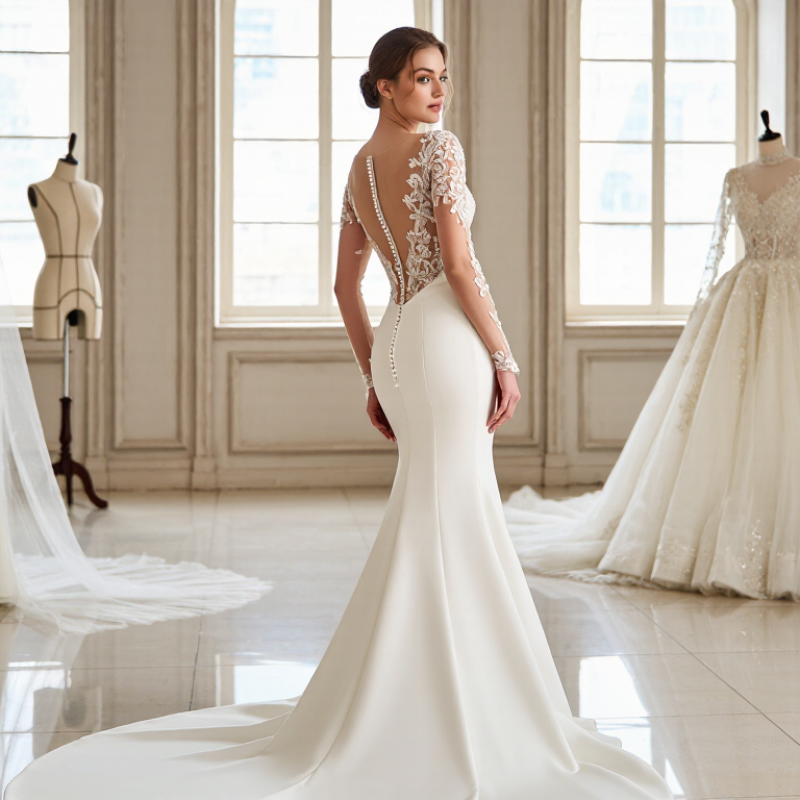
What Are the 2026 Best Long Sleeve Wedding Gown Styles? The answer begins with the bride, not the runway. A fitted crepe gown may suit a city ceremony, while embroidered tulle can transform a candlelit chapel. In 2026, designers are refining coverage with lighter fabrics, sculpted sleeves, and detachable details. The goal is elegance without heaviness.

The Knot’s 2024 Real Weddings Study reported that couples spent an average of $2,100 on wedding dresses in the United States. The same study placed the average wedding budget at approximately $33,000. These figures show why value matters beside visual impact. A Long Sleeve Wedding Gown should photograph beautifully, move comfortably, and support the entire ceremony schedule. That sounds obvious. It is often overlooked.

Randy Fenoli, bridal designer and television personality, has said, “Every bride deserves to feel like the most beautiful woman in the world.” His point remains useful here. Sleeves should frame confidence, not hide the bride’s personality. Look for illusion mesh at the wrist, pearl buttons along the back, or lace that follows the shoulder naturally. Consider climate, venue temperature, and alterations before choosing dramatic volume. A cathedral train may look breathtaking, yet it can complicate outdoor movement.

This guide compares the strongest 2026 directions, including minimalist column gowns, romantic bishop sleeves, regal high-neck designs, and convertible bridal looks. It also questions a common assumption: more detail does not always create more luxury. Sometimes, one clean seam says enough.
What Are the 2026 Best Long Sleeve Wedding Gown Styles?

2026 Long-Sleeve Gown Taxonomy: Silhouettes, Necklines, Fabrics, and Cuffs

What Are the 2026 Best Long Sleeve Wedding Gown Styles?

The 2026 long-sleeve gown taxonomy begins with silhouette. A fitted column emphasizes clean vertical lines, while an A-line softens the waist and allows easier movement. The ball gown creates ceremony drama, but its volume can overwhelm a small venue. The mermaid shape remains sculptural, although sitting comfortably may require careful pattern adjustments. The Knot’s 2024 Real Weddings Study surveyed 17,856 couples and reported an average wedding-dress spend of about $2,100. That figure makes alteration planning essential, not optional.

Necklines change the sleeve’s visual weight. A high bateau neckline feels architectural with fitted crepe sleeves. A square neckline balances fuller skirts and frames the collarbone clearly. Sweetheart and illusion necklines create softness, but transparent panels must match the wearer’s skin tone accurately. Lace, satin, crepe, and mikado each behave differently under lighting. The Global Bridal Wear Market report by Grand View Research identifies changing preference for personalized bridal apparel as a growth factor. Custom detail matters.

Cuffs provide the final proportion. Extended sleeves with covered buttons look formal and lengthen the wrist. Bishop sleeves add movement, though excess fabric can hide delicate jewelry. Featherlight tulle feels romantic but may snag during outdoor photographs. I often prefer a lined cuff for winter ceremonies. Still, this is not universal. Some brides dislike tight wrists after several hours. A fitting should include sitting, lifting the bouquet, and fastening the cuff. Small discomfort becomes visible in photographs.

Market Benchmark: The Knot 2024 Reports a $2,100 Average Dress Spend

In 2026, long sleeve wedding gowns are moving beyond one fixed look. Fitted crepe gowns with clean sleeves suit modern ceremonies and sharp city venues. Soft lace sleeves add texture without making the dress feel heavy. For a romantic setting, try sheer sleeves with small floral appliqués. A square neckline can make the upper body look structured, while bishop sleeves create gentle movement during photographs.

The 2024 wedding market benchmark reports an average dress spend of about $2,100. That figure is useful, but it is not a rule. Alterations, custom sleeves, lining, and rush fees can change the final cost quickly. From a fitting perspective, sleeve comfort deserves serious attention. Bend your arms, sit down, and raise them before approving the gown. A beautiful sleeve can still feel restrictive.

Budget with a little space.

A practical 2026 plan may place the gown near $1,600 to $2,100, leaving funds for tailoring and supportive undergarments. Long sleeves often require precise measurements around the wrist, elbow, and shoulder. Even a small error can cause pulling or wrinkles. I have found that brides sometimes choose elaborate sleeves first, then reconsider after wearing them for an hour. That reflection matters. The best style should match the ceremony, movement, climate, and the wearer’s real comfort, not only a fitting-room photograph.

The average wedding dress spend increased from $1,800 in 2021 to $2,100 in 2024. For 2026 planning, long-sleeve gowns can be evaluated within this benchmark, with lace, illusion, detachable, and fitted sleeves offering different levels of coverage and styling flexibility.

Best 2026 Silhouettes: A-Line, Ball Gown, Mermaid, and Sheath

Long sleeve wedding gowns in 2026 are becoming more expressive, not merely modest. The strongest choices begin with silhouette, then refine the sleeve, neckline, and fabric. A gown should move comfortably during vows, photographs, and dancing. That practical test is often overlooked.

An A-line gown creates a gentle shape from the waist downward. It suits many body types and works beautifully with lace or soft crepe sleeves. A ball gown delivers more drama, especially with fitted cuffs and a structured bodice. However, heavy layers can feel warm and restrictive. Try walking, sitting, and lifting your arms before deciding.

A mermaid silhouette follows the body closely before opening near the knee. Long illusion sleeves can soften its striking outline, while satin sleeves create a cleaner effect. This style demands accurate tailoring. Small fitting errors show quickly. A sheath gown offers a slimmer, relaxed line and pairs well with lightweight, transparent sleeves. It feels elegant in a simple ceremony or modern venue. I once underestimated how much sleeve texture changed the gown’s balance; delicate fabric looked beautiful but lacked support. That mistake made the fitting process feel more important than the sketch. Consider your movement, climate, and personal comfort before choosing the most dramatic option.

What Are the 2026 Best Long Sleeve Wedding Gown Styles? – Best 2026 Silhouettes: A-Line, Ball Gown, Mermaid, and Sheath

Silhouette Long-Sleeve Style Key Shape and Fit Best Fabric Choices Ideal Wedding Setting Practical Considerations
A-Line Illusion lace, fitted lace, or sheer bishop sleeves Fitted through the bodice and gradually widens from the waist, creating a balanced outline Chiffon, crepe, tulle, organza, satin, and lace Garden, beach, chapel, city, and indoor ceremonies Usually offers comfortable movement; sleeve lining and neckline coverage can be adjusted during alterations
Ball Gown Lace-covered sleeves, fitted sleeves, or full-length tulle sleeves Structured bodice with a full skirt, often supported by layers of tulle or a petticoat Tulle, mikado, satin, organza, brocade, and embroidered lace Formal ballroom, cathedral, historic venue, and evening celebrations The skirt requires additional aisle and reception space; detachable sleeves can improve versatility
Mermaid Long fitted sleeves, tattoo-effect lace sleeves, or stretch crepe sleeves Close-fitting from the bust through the hips before flaring near the knee or lower leg Stretch crepe, satin, mikado, lace, and structured jersey Modern halls, hotel venues, city ceremonies, and glamorous evening weddings A higher flare can improve walking comfort; stretch fabrics may allow more ease in the fitted areas
Sheath Minimal crepe sleeves, narrow lace sleeves, or lightweight sheer sleeves A slim, column-like line that follows the body without a dramatically full skirt Crepe, charmeuse, silk-like satin, lightweight lace, and matte jersey Courthouse, minimalist, beach, destination, and intimate weddings Lightweight construction is easy to pack; smooth undergarments help create a clean finish
2026 Style Notes: Long sleeves are especially adaptable for cooler-season ceremonies, modest coverage, and layered bridal styling. Popular design details include floral lace, illusion mesh, detachable sleeves, subtle sparkle, square necklines, high necklines, and clean crepe construction.

Best Sleeve Styles: Bishop, Puff, Detachable, Illusion, and Fitted

For 2026, long-sleeve wedding gowns are moving beyond simple coverage. The Knot’s 2024 Real Weddings Study reported an average wedding-dress spend of about $2,100 in the United States. That investment makes sleeve versatility increasingly valuable. Bishop sleeves create soft movement with gathered fabric and narrow cuffs. They suit satin, crepe, and winter ceremonies. Puff sleeves add sculptural volume, but excessive fullness can overwhelm a smaller frame. Keep the bodice clean.

Detachable sleeves offer two looks in one fitting. They can reveal a sleeveless silhouette for dancing or warmer receptions. Illusion sleeves use sheer mesh for coverage without visual weight. Check the neckline, seam placement, and skin-tone matching under natural light.

Fitted sleeves give a polished, modern line, especially with stretch crepe or structured lace. However, tight fabric can restrict arm movement. A professional fitter should test sitting, hugging, and lifting your arms. Small details matter.

Pinterest’s 2025 wedding trend reporting also reflects growing interest in personalized, photographable ceremony details. That supports removable elements, but trend data cannot replace comfort. I have seen beautiful sleeves become frustrating after several hours. The mistake is easy to make. Ask for movement tests before final alterations, and leave enough ease at the elbow. A gown should look intentional from the aisle, not merely impressive in a photograph.

Selection Criteria: Season, Venue, Body Proportion, Comfort, and Alterations

The best long sleeve wedding gown depends less on trend and more on the wedding conditions. For autumn or winter, consider structured mikado, satin, or lined lace sleeves. Lightweight crepe and sheer tulle suit warmer months, especially in ventilated venues. A 2024 report from The Knot, based on nearly 17,000 couples, recorded an average wedding size of about 117 guests. That scale matters. A grand ballroom can support fuller sleeves and a dramatic train, while a small garden ceremony may favor a narrow A-line silhouette.

Body proportion should guide the neckline, sleeve volume, and waist placement. A V-neck can visually lengthen the torso, while a square neckline adds structure to a softer frame. Brides with broader shoulders may prefer slim, uninterrupted sleeves rather than puffed caps. Petite proportions often benefit from clean seams and fewer horizontal breaks. Fit matters.

Comfort is not optional. The sleeve must allow arm elevation, dining, hugging, and dancing. During fittings, test these movements instead of standing still under flattering lights. A 2023 bridal consumer survey by The Knot reported that many couples now prioritize personal style and guest experience, not only tradition. That shift supports practical details, including stretch panels, breathable lining, and detachable sleeves. Alterations should be planned early. Sleeve length, wrist openings, bust support, and bustle placement can change the gown’s balance. No chart replaces a real fitting. An elegant sample may still pinch at the elbow, and that small flaw can become a long wedding day problem.

Call (416) 661-5667