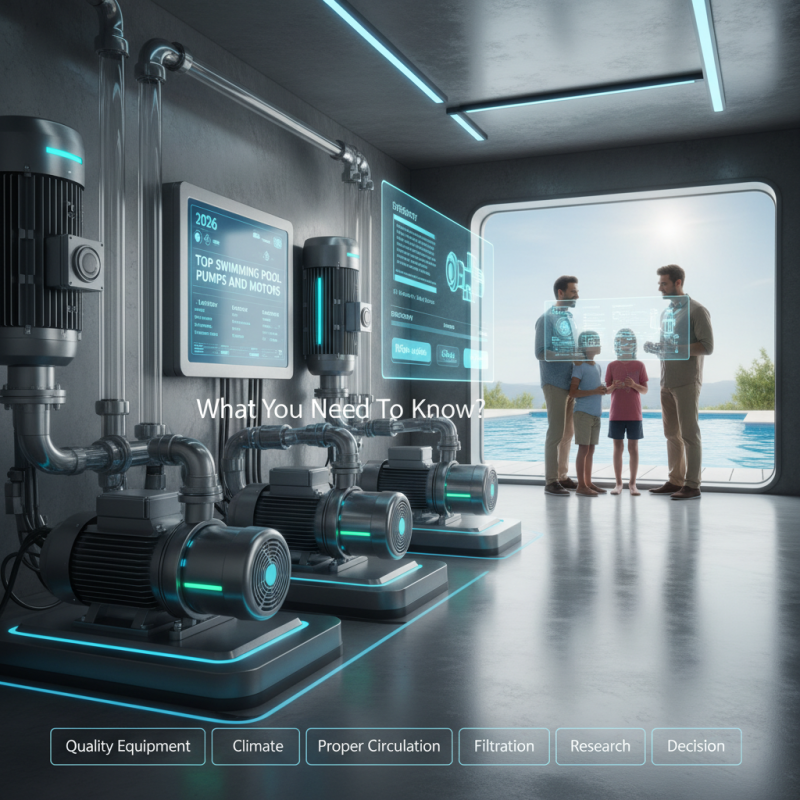
2026 Top Swimming Pool Pumps and Motors What You Need to Know?
When considering swimming pool pumps and motors, many factors come into play. It's essential to choose the right equipment for efficiency and longevity. In 2026, advancements in technology will further enhance performance.
Selecting the best swimming pool pumps and motors isn't always straightforward. Homeowners face a vast array of options and features. The choice depends on pool size, climate, and personal preferences. Sometimes, the most popular options may not suit specific needs.
Investing in quality equipment is vital. A reliable pump ensures proper circulation and filtration. Neglecting this aspect may lead to bigger problems down the line. Understanding the pros and cons of each model can make a difference. Take the time to research before making a decision.
Understanding the Types of Swimming Pool Pumps Available in 2026
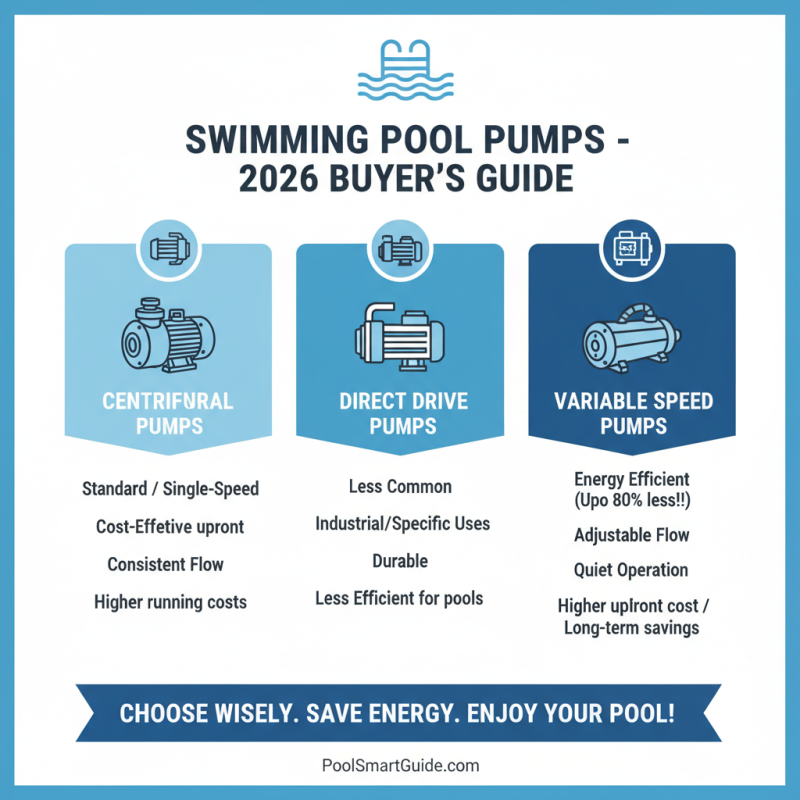
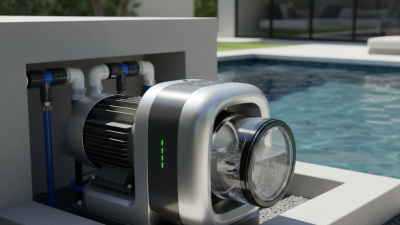
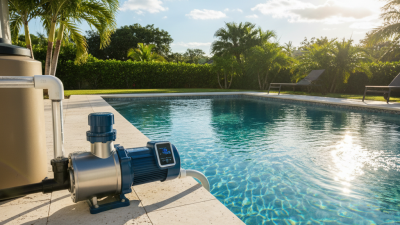
In 2026, understanding the types of swimming pool pumps is crucial for pool owners. There are three main categories: centrifugal, direct drive, and variable speed pumps. Each type serves different needs and energy efficiency levels. For instance, variable speed pumps use up to 80% less energy compared to single-speed options. This can significantly reduce utility bills.
The choice of pump affects both water circulation and maintenance. A centrifugal pump is often preferred for its simplicity and reliability. However, it may not provide the same energy savings as a variable speed model. Industry reports indicate that around 60% of pool owners do not consider pump efficiency when making a purchase. This oversight can lead to higher costs over time.
Moreover, installation is another factor to ponder. While direct drive models are easier to install, they may not be as efficient. Owners should assess their pool size, usage patterns, and budget. The wrong choice can result in wasted energy and increased maintenance issues. A recent survey noted that 40% of pool users regret their initial pump selection. Understanding your options is key.
Comparing Energy Efficiency Ratings for Pool Pumps in 2026
As we move into 2026, energy efficiency in swimming pool pumps is increasingly crucial. According to recent industry reports, approximately 10% of residential energy use is consumed by pool pumps. This statistic highlights the importance of selecting the right pump to save on costs and reduce environmental impact.
Energy efficiency ratings for pool pumps are often measured using the Energy Efficiency Ratio (EER). The best pumps in 2026 are expected to have EER ratings of 8.0 or higher. This means, for every dollar spent on operation, users get more value in terms of performance and longevity. In comparison, older models may only reach an EER of 4.0 to 5.0, resulting in higher electricity bills.
However, potential buyers should be cautious. Many factors can affect a pump's energy efficiency, such as pool size and usage patterns. Not all high-rated pumps may suit every user’s needs. Before making a decision, it’s vital to consider these variables to avoid future regrets.
Maintenance Tips for Extending the Life of Your Pool Pump and Motor
Maintaining your pool pump and motor is crucial. Studies show that proper maintenance can extend their lifespan by up to 50%. Regular checks can identify leaks early. Clean debris from the pump regularly to avoid blockages. A clogged pump can lead to overheating. It’s common to overlook these simple tasks, but neglecting them can lead to costly repairs.
Consider monitoring the water chemistry. Imbalanced chemicals can corrode pump components. Keep an eye on the pH levels. Ideal pH is between 7.2 and 7.8. Testing strips are a quick way to check this regularly. Many pool owners skip this vital step. As a result, they face pump failures sooner than expected.
Check the filter too. A dirty filter decreases efficiency. It can also force the pump to work harder, causing premature wear. Regularly clean or replace the filter as needed. Some experts recommend a monthly inspection. This may seem excessive, but it’s often worth the effort. Ignoring these tasks leads to bigger issues down the line.
Selecting the Right Size Pump for Your Swimming Pool Requirements
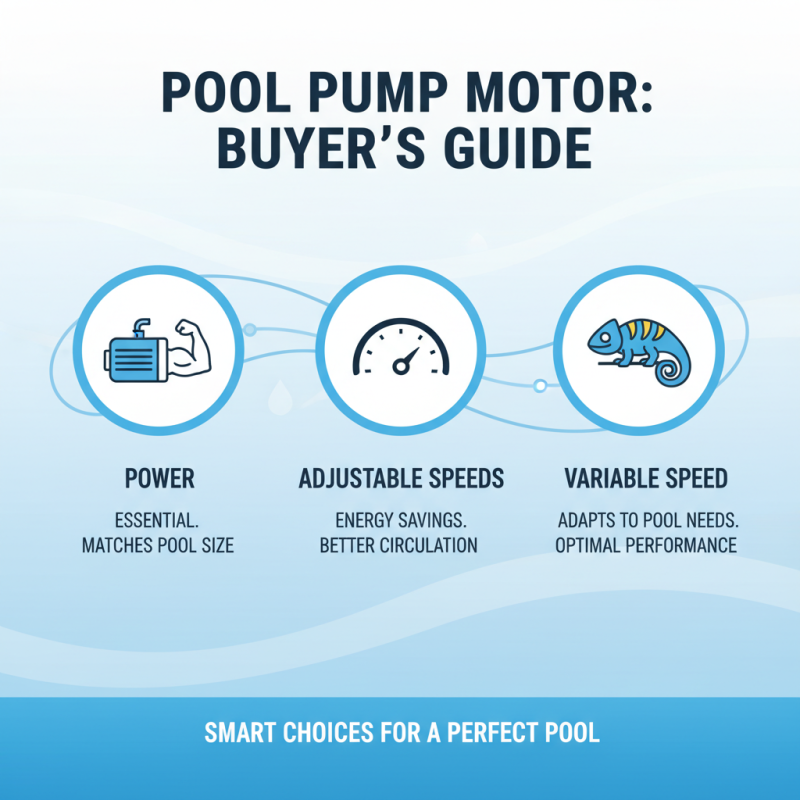
When choosing a swimming pool pump, size matters significantly. The pump's power should match your pool's volume and intended use. A pump that is too small won’t adequately circulate the water, leading to poor cleanliness and potential algae growth. Conversely, an oversized pump can cause excessive energy costs and may create too much current for your pool's design.
To find the right size pump, start by calculating your pool's volume. Measure the length, width, and average depth, then use these figures to estimate the gallons of water your pool holds. Next, consider the turnover rate. Ideally, your pump should circulate all the water in your pool at least once every eight hours. This often translates to a pump with a flow rate of about 1 to 1.5 horsepower per 10,000 gallons. It’s crucial to do the math. Many forget this step and end up with inefficient setups.
Installing a pump that doesn’t fit your pool's design can lead to ongoing issues. You might experience noisy operation or uneven water flow. It's not just about power; it's also about compatibility with your existing system. Be mindful of these details as you select your pump. Adjustments may be needed down the line, but learning from initial mistakes is part of the process.
2026 Top Swimming Pool Pumps and Motors: Selecting the Right Size Pump for Your Swimming Pool Requirements