
7 Best Drain Cleaning Machines for Commercial Buyers

Commercial drain work rarely happens under ideal conditions. A restaurant may call after closing, with grease, food waste, and standing water blocking a floor drain. A hotel may need a quieter solution near occupied rooms. In these moments, the right Drain Cleaning Machine can protect time, staff effort, and customer trust.

This guide examines seven machines selected for commercial buying decisions. It considers cable reach, cleaning power, portability, drum capacity, safety features, and maintenance demands. It also looks at pipe sizes and common blockage types. A compact sectional machine may suit long runs, while a drum model can offer simpler handling for routine service. Experienced technicians know that specifications only tell part of the story. Real performance depends on operator training, access points, pipe condition, and careful setup.

No machine fits every site. That matters. Noise, storage space, electrical supply, and transport weight can change the best choice. Price alone can mislead buyers, especially when downtime and replacement parts are ignored. The recommendations aim to provide practical, evidence-based guidance, but field conditions vary. Some judgments remain subjective. A machine that performs well in a busy kitchen may feel excessive in a small office building. Buyers should verify manufacturer instructions, workplace requirements, and service support before purchase. Safe operation remains essential, even when a blockage seems ordinary. The following comparison helps commercial teams evaluate capability, reliability, and long-term value with clearer expectations.
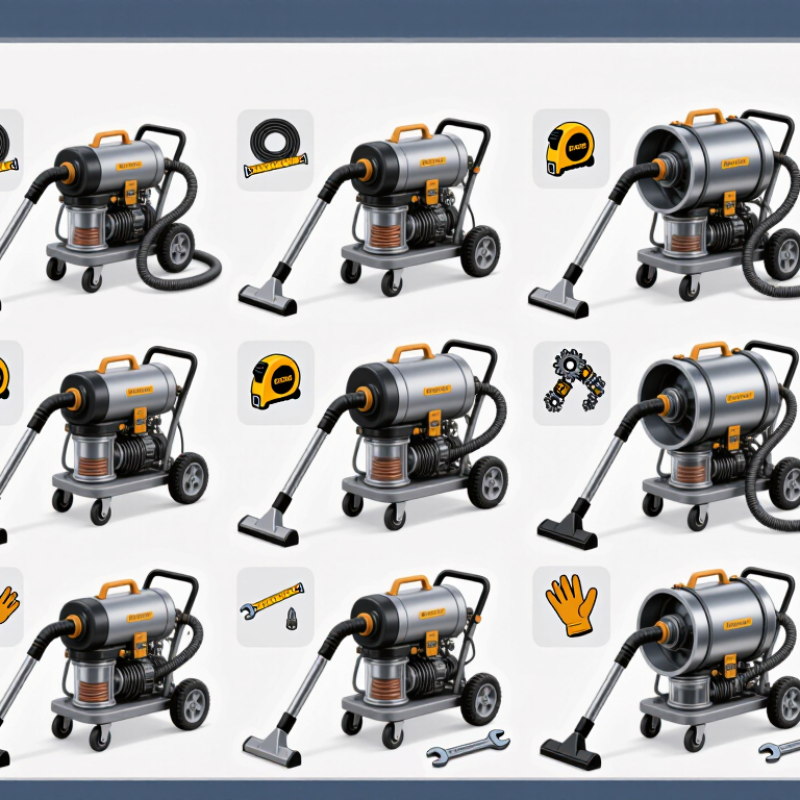
7 Best Drain Cleaning Machines for Commercial Buyers

Commercial Drain Cleaning Machines: Types, Uses, and Selection Criteria

Commercial drain cleaning machines differ by pipe size, blockage type, and worksite access. Handheld augers suit small branch lines and quick service calls. Drum machines handle longer household and light commercial runs. Sectional machines offer stronger cable control for heavy, repeated use. Sink machines work well beneath fixtures and in narrow rooms. Water jetters remove grease, sludge, and loose scale from larger pipes. Flex-shaft machines clean pipe walls with less mess. Trailer-mounted jetters support demanding municipal or industrial maintenance.

Tips: Match the cable or nozzle to the pipe diameter. Check access points before transporting large equipment. Use protective equipment and follow the machine’s operating instructions. A powerful machine can damage fragile or poorly connected pipes.

Selection requires more than motor power. Consider cable length, hose reach, flow rate, pressure, transport weight, and cleaning frequency. Electric units are practical indoors when ventilation is limited. Gas-powered systems provide mobility but need careful exhaust control. A compact frame may save labor on stairs. However, smaller equipment can struggle with hardened deposits. I have found that service history matters as much as specifications. Easy access to wear parts reduces downtime. Drain cameras also improve decisions before and after cleaning. They reveal collapsed sections, root intrusion, and missed buildup. No machine fits every site. Careful records can expose poor equipment choices before they become expensive.

Key Features to Compare Before Buying a Professional Drain Cleaner

For commercial buyers, the best drain cleaning machine is not simply the strongest model. It must match pipe size, blockage type, and daily workload. Compare cable or hose diameter first. A narrow cable suits small indoor lines, while larger lines need greater reach and cutting strength. Measure the usual drain distance before buying. Extra length can become awkward.

Motor torque matters, but controlled power matters more. Look for variable speed, steady feeding, and overload protection. These features help prevent cable kinking and reduce damage to fragile pipes. Check cutter compatibility, quick-change fittings, and reverse operation. A foot switch can keep both hands on the cable. That is practical. Drum machines contain mess better, while sectional machines often offer easier handling in long runs. Neither design wins every job.

Commercial teams should compare portability, wheel quality, frame balance, and setup time. A heavy machine may feel stable but waste labor on stairs. Inspect cleaning access, splash control, and electrical protection before purchase. Confirm service support, replacement parts, and clear operating instructions. Ask how the machine performs after repeated wet shifts, not just during a showroom test. Noise and vibration deserve attention too. They are easy to overlook. Perfect fit? Rarely. Site conditions can expose weaknesses that specifications hide. A trial on representative drains may reveal more than a polished feature list.

Seven Top Drain Cleaning Machines for Commercial Applications

Seven top drain cleaning machines for commercial applications should match pipe size, blockage type, and daily workload.

A compact sink machine suits cafés, clinics, and office kitchens. It clears small lines quickly and stores easily in a service van.

A drum cable machine handles longer indoor runs with steady torque. It is practical for recurring maintenance, though cable handling can become messy.

A sectional cable machine offers strong reach for larger building drains. Its separate sections are easier to replace after heavy use.

A high-speed flex-shaft machine cleans grease from pipe walls with less setup. However, operators must control speed carefully around fragile lines.

A water jetting machine removes sludge, grease, and mineral buildup using pressurized water. It needs reliable drainage, proper protective equipment, and trained handling.

A root-cutting machine is useful for outdoor sewer lines affected by invasive growth. Choose cutting heads that match the pipe diameter.

A compact inspection-ready cleaning unit combines access tools with a camera system. It helps technicians locate bends, breaks, and incomplete cleaning. That saves repeated guesses.

In practice, no machine performs perfectly everywhere. Cable systems may stall, while jetters can move debris deeper.

Check motor protection, hose length, service access, and replacement-part availability before buying. A short trial on typical site conditions often reveals more than a polished specification sheet. Safety procedures still matter, even during routine work.

Safety, Maintenance, and Operating Practices for Drain Cleaning Equipment

Commercial drain cleaning machines demand disciplined handling, not just motor power. Before each shift, inspect the cable, drum, cutter, ground-fault protection, and foot switch. Wear eye protection, cut-resistant gloves, non-slip boots, and hearing protection. Keep loose clothing and hair away from rotating parts. A wet floor near electrical equipment is a serious warning. Test the emergency control before entering the line. Never force a jammed cable. Stop, isolate power, and release pressure slowly. Good operators protect nearby workers with barriers and clear communication.

Match the machine and cutter to the pipe diameter, blockage type, and access point. Feed the cable with steady pressure, allowing the tool to work. Excess force can kink the cable or damage an older pipe. Keep both hands positioned safely. Do not grab a rotating cable. Use ventilation when drains may release unpleasant or hazardous gases. Never work alone in a confined space. A spotter should monitor conditions and call for help when air quality, visibility, or footing changes.

Clean and dry the cable after every job. Inspect it for flattened sections, cracks, rust, or loose connections. Disinfect reusable tools according to site procedures, then lubricate moving parts as specified. Record inspections, repairs, and unusual vibration in a maintenance log. Small noises often become expensive failures. I have seen teams skip this step when schedules tighten. That shortcut rarely saves time. Replace damaged parts before the next call, and train operators through supervised practice rather than assumptions.

Cost, Performance, and Long-Term Value for Commercial Buyers

7 Best Drain Cleaning Machines for Commercial Buyers

Commercial value depends on uptime, not the lowest purchase price. The seven strongest choices are portable drum machines, sectional cleaners, compact electric units, high-torque drum machines, water jetters, trailer jetters, and inspection-assisted cleaners. Each serves a different blockage profile. Portable drums suit routine restroom lines. Sectional machines handle longer, heavier runs. Jetters wash grease from larger commercial pipes. Choose carefully. Bigger is not always better.

The U.S. Bureau of Labor Statistics reported a median annual wage of $62,970 for plumbers, pipefitters, and steamfitters in May 2024. A machine that saves two hours monthly can protect meaningful labor value. That calculation remains incomplete without setup time, transport, cable replacement, water access, and operator training. The U.S. Environmental Protection Agency’s WaterSense at Work guidance also identifies leak control as a practical maintenance priority. A cleaner line can reduce repeat service calls, but it cannot correct damaged piping.

For long-term value, compare purchase cost against expected jobs, maintenance intervals, recovery time, and resale potential. Look for variable speed control, enclosed components, accessible drum servicing, and grounded electrical protection. OSHA guidance emphasizes guarding, personal protective equipment, and training around rotating equipment. My practical ranking favors the machine that matches your usual pipe diameter and blockage type. That sounds obvious. It is often ignored. A powerful jetter may sit idle when most calls involve small indoor drains. A compact sectional cleaner may earn more because one technician can move it quickly. Performance should be measured in completed work, not impressive motor ratings.

7 Best Drain Cleaning Machines for Commercial Buyers - Cost, Performance, and Long-Term Value for Commercial Buyers

Rank Machine Type Typical Purchase Cost (USD) Recommended Drain Diameter Typical Cleaning Reach Drive or Cleaning System Performance Strength Portability Best Commercial Use Long-Term Value Key Buying Consideration
1 Heavy-Duty Drum Cable Machine $1,800–$4,500 3–6 in (75–150 mm) 75–100 ft (23–30 m) Powered rotating cable in an enclosed drum Excellent torque for grease, roots, and compacted blockages Medium; usually requires wheels or a two-person lift Hotels, restaurants, apartment buildings, and maintenance contractors High when the drum, cable, and clutch are serviceable or replaceable Choose a model with an enclosed drum, ground-fault protection, and readily available replacement cables
2 Sectional Cable Machine $2,500–$6,500 3–8 in (75–200 mm) 100–200 ft (30–61 m) Interlocking cable sections driven through a rotating head Very high reach and strong cutting ability in long building drains Low to medium; cable sections are heavy but easier to carry separately Commercial service fleets, municipal maintenance, and large facilities Very high for frequent professional use because sections can be replaced individually Requires trained operators, organized cable storage, and appropriate personal protective equipment
3 Trailer-Mounted Water Jetter $12,000–$35,000 4–24 in (100–600 mm) 200–500 ft (61–152 m) High-pressure water pump with hose reel and interchangeable nozzles Excellent for grease, sludge, sediment, and pipe-wall flushing Low; transported by vehicle or trailer Municipal work, industrial sites, large property portfolios, and sewer contractors Very high for high-volume work, although fuel, pump, hose, and nozzle maintenance add operating cost Compare pump flow, pressure, water-tank capacity, hose length, winterization, and service access
4 Portable Electric Water Jetter $2,000–$7,000 2–8 in (50–200 mm) 75–150 ft (23–46 m) Electric high-pressure pump with flexible jetting hose Strong flushing performance with lower transport and setup demands than a trailer unit High; typically designed for van or stair access Restaurants, property maintenance teams, and indoor commercial plumbing work High for grease-related service when pumps and hoses are protected from dry running Verify electrical supply, water requirements, pressure regulation, drain access, and hose durability
5 Flex-Shaft Drain Cleaning Machine $3,500–$8,500 2–6 in (50–150 mm) 50–100 ft (15–30 m) Rotating flexible shaft with chain-knocker or cutting head Very good for descaling, grease removal, and controlled pipe-wall cleaning High; compact systems fit easily in service vehicles Commercial plumbing contractors and recurring maintenance programs High when used for preventive cleaning and when shafts are replaced before excessive wear Use the correct chain head for pipe material and follow manufacturer limits for pipe size and speed
6 Compact Sink and Branch-Line Machine $700–$2,000 1.5–3 in (40–75 mm) 25–75 ft (8–23 m) Small rotating cable with automatic feed or manual cable control Good for light to moderate blockages in small branch lines Very high; generally manageable by one operator Offices, retail sites, food-service premises, and routine facility maintenance High as a first-response tool because it has relatively low purchase and transport costs Prioritize cable flexibility, splash protection, operator safety, and quick cleaning after use
7 Camera-Ready Combination Inspection and Cleaning System $5,000–$15,000 2–8 in (50–200 mm) 100–200 ft (30–61 m) Drain camera with locating capability combined with cable or compact jetting equipment High diagnostic accuracy plus targeted cleaning, reducing unnecessary excavation or repeat visits Medium; equipment is usually vehicle-mounted or transported in modular cases Facilities teams, restoration contractors, and service companies handling recurring blockages High when inspection data supports preventive maintenance and reduces repeat call-outs Assess camera resolution, sonde frequency, recording features, cable pushability, and software usability

Cost figures are typical commercial-market purchase ranges in USD for new equipment and can vary by configuration, accessories, regional taxes, shipping, and service contracts. Actual cleaning capacity depends on pipe condition, blockage type, operator training, cable or nozzle selection, and site access.

Call (416) 661-5667