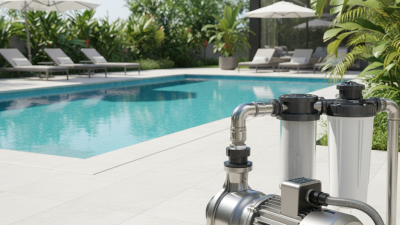
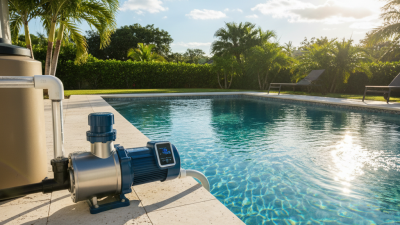
What is the Best Pool Pump and Motor for Your Needs?
Choosing the right pool pump and motor can significantly enhance your swimming experience. With various options available, it’s essential to evaluate your specific needs. Understanding how pool pumps and motors function helps in making an informed choice.
Many homeowners overlook the importance of considering their pool size, type, and frequency of use. A pump that works well for one pool may not be suitable for another. This decision might affect energy efficiency and maintenance costs over time. It’s worth noting that some pumps are quieter, while others may require more frequent repairs.
Expert guidance is invaluable here. Consult professionals or reliable sources to better understand your options. Investing time in research can save money and prolong the life of your equipment. Remember, the right choice not only improves performance but also ensures a safer swimming environment.
Understanding Pool Pump Types: A Comprehensive Overview of Options
Choosing the right pool pump is vital for maintaining your swimming pool's hygiene and efficiency. There are various types of pumps, each with unique features. Understanding these options helps you make informed decisions. For instance, single-speed pumps are common. They operate at one speed, providing consistent flow. However, they can be less efficient and may cost more to run.
On the other hand, variable-speed pumps offer adjustable speeds. This flexibility can save energy and reduce costs over time. They operate quietly and can be programmed for specific tasks. While their upfront cost is higher, they often pay off in energy savings.
Consider size and compatibility as well. Not all pumps fit every pool type. A pump that’s too small won’t circulate water adequately, while an oversized pump may lead to unnecessary wear and tear. Furthermore, installation complexity can vary. A straightforward setup may lead to fewer maintenance issues later on. Be sure to assess your pool's needs carefully. It’s essential for longevity and performance.
Key Factors Influencing Your Pool Pump Selection and Efficiency
Choosing the right pool pump and motor involves multiple key factors. One critical aspect is the pump's flow rate, which determines how quickly water circulates. According to the Association of Pool and Spa Professionals, adequate circulation is vital for maintaining water clarity and chemistry. A flow rate of 1.5 to 2 times the pool volume per day is generally recommended.
Energy efficiency is another essential consideration. The US Department of Energy states that pool pumps can account for up to 30% of a household's electricity usage. Selecting a variable-speed pump can reduce energy costs significantly. These pumps often operate at lower speeds during off-peak hours, saving money and minimizing environmental impact.
Additionally, the pump's noise level is crucial for enjoyment. Noise levels can reach up to 80 dB for some models, causing potential disturbances. Investing in quieter models and ensuring proper installation can enhance your pool experience. Evaluating the location of your pump and its mounting can help mitigate noise issues. Balancing these factors can lead to an efficient and pleasant pool environment.
Analyzing Motor Ratings: Horsepower, Energy Efficiency, and Performance
Choosing the right pool pump and motor is crucial for maintaining a clean and efficient swimming pool. When analyzing motor ratings, consider horsepower, energy efficiency, and performance. Horsepower determines the pump's ability to move water. A higher horsepower does not always mean better performance. It can lead to higher energy costs and unnecessary wear.
Energy efficiency is another key factor. Look for pumps with high energy efficiency ratings. These pumps consume less electricity while still providing adequate water flow. This can lead to significant savings on your power bill over time. Check for certifications that indicate energy-efficient models.
Tips: Always calculate your pool's volume before selecting a pump. Ensure the motor is appropriately sized for your pool's specific needs. Regular maintenance can also prolong the life of your pump and motor. A little effort goes a long way in ensuring optimal performance.
Comparing Brands: Industry Leaders in Pool Pumps and Motors
When choosing a pool pump and motor, consider the performance of different brands. Each brand specializes in specific technologies and designs. Some brands focus on energy efficiency, while others prioritize quiet operation. It's essential to weigh your requirements against what each brand offers.
Tips for selection: Look for pumps with adjustable speeds. They can save energy and reduce noise. Additionally, check the warranty terms. A longer warranty often reflects reliability. Compare user reviews too. Real experiences can reveal strengths and weaknesses of specific products.
The installation process also varies. Some pumps are designed for easy DIY installation, while others need professional help. Assess your skills before purchasing. Not every setup will fit your space perfectly. Measure your plumbing connections to avoid compatibility issues.
Maintenance Tips for Optimizing Pool Pump Longevity and Functionality
Proper maintenance of your pool pump ensures longevity and optimal functionality. According to the Association of Pool & Spa Professionals, an estimated 80% of pool problems stem from pump issues. Regular checks can prevent costly repairs. One critical aspect is keeping your pump clean. Debris can block the intake and reduce efficiency. A clean basket and skimmer can significantly enhance flow rate and circulation.
Monitor your water levels closely. Low water levels may cause your pump to run dry. This can lead to severe motor damage. Additionally, inspect seals and gaskets monthly for wear. This simple task can prevent leaks and save energy costs.
Tips for optimal maintenance:
- Regularly backwash your filter. It allows for better water flow.
- Schedule routine professional inspections. Experts catch what you may miss.
- Replace worn parts promptly. Ignoring issues can lead to bigger problems down the line.
Investing time in maintenance yields a healthier pool environment. Neglecting your pump affects water quality and increases your cleaning efforts. Consistency is key.
What is the Best Pool Pump and Motor for Your Needs? - Maintenance Tips for Optimizing Pool Pump Longevity and Functionality
| Pump Type |
Flow Rate (GPM) |
Horsepower |
Efficiency Rating |
Noise Level (dB) |
Lifespan (Years) |
| Single Speed |
40 |
1.5 |
Standard |
70 |
5-10 |
| Variable Speed |
30 |
1.5 |
High |
50 |
10-20 |
| Dual Speed |
35 |
1.0 |
Moderate |
65 |
7-15 |
| Solar Powered |
25 |
0.5 |
Eco-Friendly |
30 |
5-12 |