10 Tips for Choosing Aluminum Porch Railing
Choosing Aluminum Porch Railing is not just a matter of matching a finish to your front door. You are weighing appearance, upkeep, installation details, and how the railing feels under your hand. Look closely at post spacing, rail profiles, fasteners, and the porch’s existing structure. A sample can look sleek online yet feel bulky beside a narrow set of steps.
A composite railing specialist, Daniel Mercer, offers this practical reminder: “A railing should fit the porch you have, not just the picture you like.” Mercer is a fictional composite expert, and this line is an illustrative quote, not a sourced statement. The advice still points to a useful habit: measure the actual space before comparing styles. Note where posts can attach, whether corners need special fittings, and how sunlight changes the finish across the day.
This guide explores 10 tips for choosing a system that suits your home and maintenance routine. We’ll consider material thickness, coating, color, handrail comfort, accessories, and installation requirements. Ask suppliers for product specifications and clear care instructions; details vary between manufacturers. Check whether components are designed to work together. Small mismatch, big headache. Also consider who will install the railing and what the project will realistically cost. There is no perfect pick for every porch. I’d still revisit the measurements before ordering, because even careful plans can miss an awkward corner.
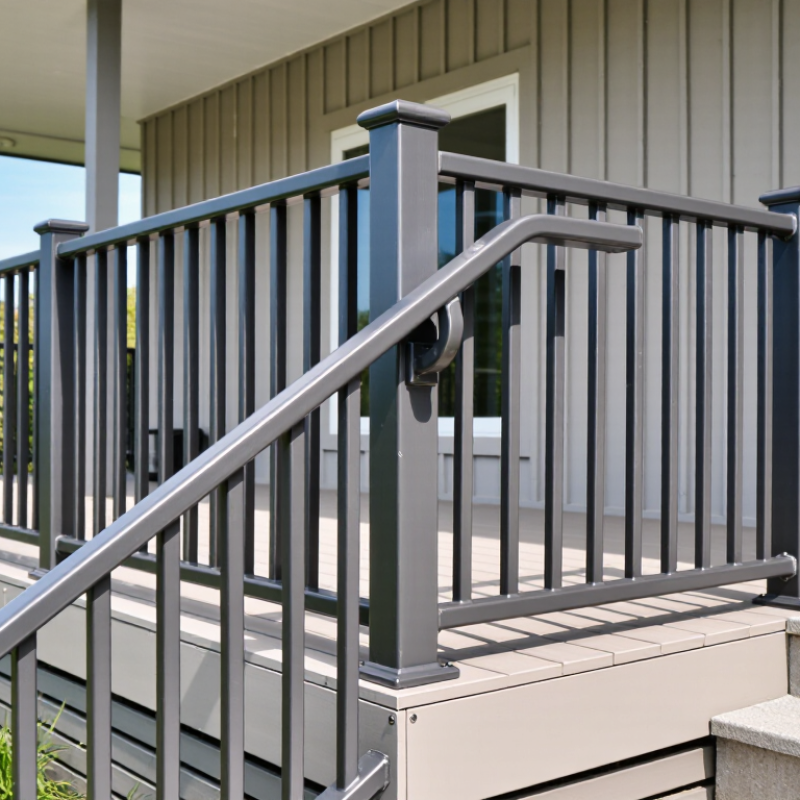
Assess Your Porch Layout, Safety Needs, and Local Building Codes
Before comparing railing styles, map the porch and note where steps, doors, and changes in floor level sit. Measure each open edge, including short returns beside posts or walls. A narrow landing may need a different post layout than a broad, straight porch. Mark where people walk, carry groceries, or turn near a doorway. Small details matter.
Think about who uses the porch and what support they may need. Check that the railing height, spacing between balusters, and openings near stairs meet applicable local building codes. Requirements can vary by location and project, so confirm them with your local building department before ordering materials. Ask whether permits or inspections apply. Keep the answer in writing if possible. It is easy to overlook a small stair landing when measuring, and that can mean reworking the layout later. A qualified installer can help check measurements and attachment points, especially where the railing meets older or uneven decking.
Porch Railing: Key Code Measurements
Reference examples from the 2021 IRC and IBC; requirements may vary by location and adopted code edition.
The IRC generally requires a guard where a walking surface is more than 30 inches above grade within 36 inches horizontally. Example minimum guard heights are 36 inches for IRC one- and two-family dwellings and 42 inches under the IBC, with exceptions. Guards must also limit openings so a 4-inch sphere cannot pass through.
Compare Aluminum Railing Styles, Profiles, and Finishes
Aluminum porch railing styles change both the view and the upkeep. Vertical balusters suit traditional homes and keep the design visually open. Horizontal rails feel more contemporary, but their repeated lines can look busy across a narrow porch. Glass panels preserve sightlines, though fingerprints and water marks show readily. Looks matter. So does cleaning.
Compare the profiles by touch and proportion. A broad top rail gives a steady handhold, while a slim square profile creates a lighter appearance. Round balusters soften angular homes; square ones echo modern trim. Check how the rail meets posts and corners, not just how it looks in a catalog. Those joints can become focal points. A small sample beside your porch trim may reveal a mismatch that photographs hide.
Finishes range from matte black and white to bronze and wood-like tones. Dark finishes define the railing against pale siding, while lighter colors can blend into the porch. Powder-coated surfaces are common, but durability depends on coating quality, preparation, and exposure. In coastal or wet settings, ask how the finish and fasteners handle moisture. A subtle texture may hide dust better than a glossy surface. The sleekest choice is not always the easiest to live with; I’d weigh cleaning and touch-up needs alongside appearance.
Evaluate Durability, Weather Resistance, and Maintenance Requirements
Aluminum porch railing resists rot, but durability still depends on alloy, finish, and installation. Look for a coating specified for exterior exposure, and ask how it performs near salt, standing water, and strong sun. NACE International’s 2016 IMPACT study estimated corrosion costs at $2.5 trillion worldwide, or 3.4% of global GDP. That figure covers many industries, not porch rails, but it shows why fasteners and drainage deserve attention. Check that water can escape from post bases and rail joints. Small details matter.
The Aluminum Association reports that about 75% of all aluminum ever produced remains in use. That is a broad industry statistic, not a promise about one railing’s lifespan. Inspect the finish for chips, especially near cut edges, and rinse off salt and grime with fresh water. Use compatible fasteners; dissimilar metals can encourage corrosion where they touch. Ask whether replacement parts and coating repairs are available. I would still verify the care instructions before buying: “low maintenance” can mean different things, and I have not found one schedule that fits every climate. A quick seasonal inspection is sensible, even if it feels easy to postpone.
Check Railing Height, Spacing, Handrails, and Safety Features
Before comparing aluminum porch railing styles, measure from the finished walking surface to the top rail at several points. Porches can slope slightly, so one measurement may miss a low section. Check the height required by local building rules; requirements vary by location and porch design. Keep a tape measure handy. An old plan may not match the finished porch.
Measure openings between balusters, too. A gap that looks narrow from across the yard may still be large enough for a child or pet to slip through. Check corners and stair transitions, where spacing can change. Small gaps matter. On stairs, choose a graspable handrail that follows the full run. Walk the steps and test the grip before installation; a broad top rail may be awkward to hold.
Look for firmly anchored posts, smooth edges, and fasteners suited to outdoor exposure. Aluminum resists rust, but dirt, salt, and loose connections still need attention. Gently press each section after installation; movement may point to a weak attachment. This check is not a substitute for proper installation. Recheck the railing after its first season, especially near stairs and porch corners. It is easy to assume every post is equally secure, but each connection deserves a close look.
Compare Installation Options, Total Costs, and Product Warranties
10 Tips for Choosing Aluminum Porch Railing
Compare DIY kits with professional installation, and ask who handles measuring, cutting, and stair angles. Check whether the quote includes old-railing removal and cleanup. Measure twice. Confirm posts can anchor securely to your porch’s actual material; loose decking may need repair before installation.
Request itemized estimates for panels, posts, gates, fasteners, delivery, and labor. Compare the same railing height and layout across quotes, not just the headline price. Ask about extra charges for corners, uneven steps, or custom cuts. A low quote can omit small parts. That happens.
Read warranty terms before choosing. Check separate coverage for the finish and the railing structure, plus the claim period and exclusions. Ask whether coastal exposure, routine cleaning, or installation by a particular professional affects coverage. Keep the invoice and care instructions. Look for clear repair or replacement procedures, and verify who pays shipping or labor if a covered part fails. Warranties sound reassuring, but the fine print can be easy to miss.

