How to Choose the Best Electric Pool Pumps for Your Needs?

Selecting the right electric pool pumps is crucial for maintaining your pool's cleanliness and efficiency. These pumps vary widely in performance, size, and price. Each type serves different needs, making it essential to understand what suits your pool best.

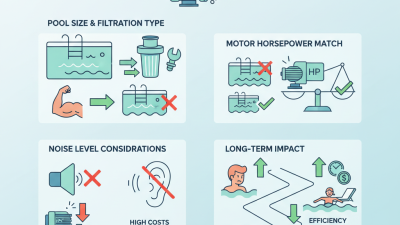
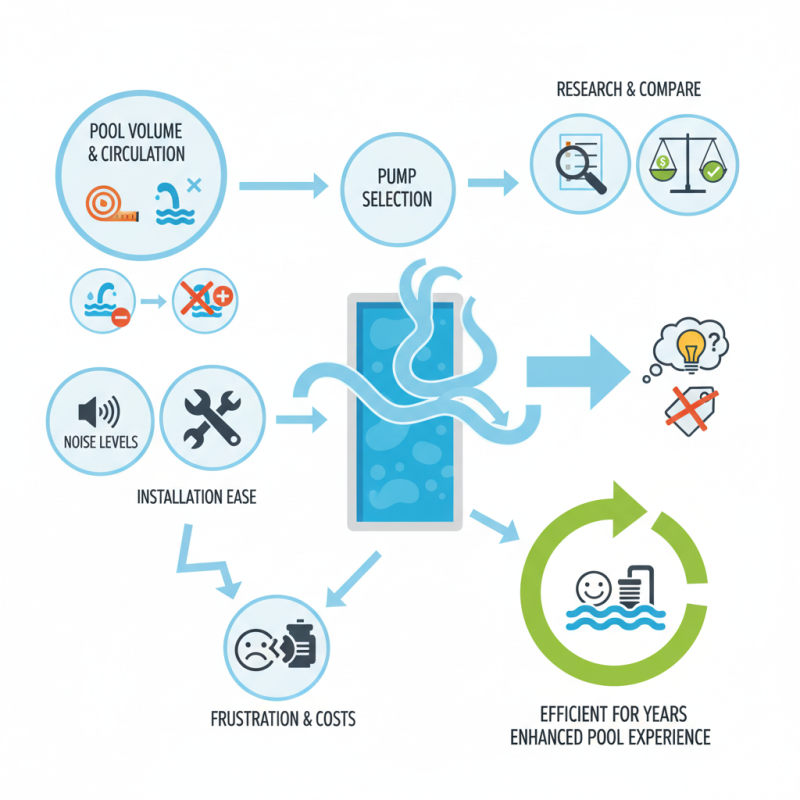
When choosing electric pool pumps, consider your pool's volume and circulation requirements. Some pumps may provide insufficient power, while others can be overly strong, wasting energy. Additionally, factors like noise levels and installation ease also play a role. It’s not uncommon to find a pump that doesn’t match expectations. This could lead to frustration and extra costs.

Take time to research and compare options thoroughly. Don't rush into a decision based on price alone. Understanding your specific needs will help ensure you choose an electric pool pump that works efficiently for years. Finding the right fit may involve trial and error, but the right choice will enhance your pool experience significantly.
How to Choose the Best Electric Pool Pumps for Your Needs?

Factors to Consider When Choosing Electric Pool Pumps

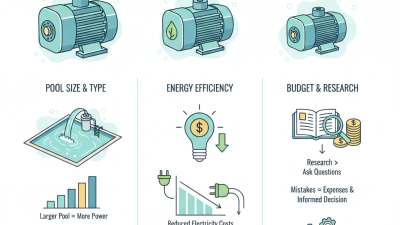
Choosing the right electric pool pump can be challenging. Start by considering the size of your pool. Larger pools typically require more powerful pumps. Determine the volume of your pool in gallons. This measurement will guide your selection process.

Another vital factor is energy efficiency. Look for pumps that offer variable speeds. These pumps can adjust their power based on the pool's needs. This flexibility often leads to lower energy bills. Pay attention to noise levels too. A quieter pump can significantly improve your pool experience.

Also, consider the type of pool you have. Above-ground pools and in-ground pools may need different pumps. There are specific models designed for each type. Don't ignore maintenance needs. Some pumps require more upkeep than others. Make sure you can commit to regular maintenance. A little reflection on these factors can save you headaches later on.

How to Choose the Best Electric Pool Pumps for Your Needs? - Factors to Consider When Choosing Electric Pool Pumps

Feature Description Importance Level
Power Efficiency Look for pumps with energy-efficient motors to reduce electricity costs. High
Flow Rate Consider the gallons per minute (GPM) your pool requires to ensure optimal circulation. High
Noise Level Select quieter models if noise is a concern for your pool area. Medium
Maintenance Requirements Choose a pump that is easy to maintain and has accessible parts for repairs. Medium
Durability Look for materials that can withstand chlorinated water and environmental conditions. High
Type of Pump Decide between single-speed, two-speed, or variable-speed pumps based on your usage. High
Warranty Check the length and coverage of the warranty for peace of mind. Medium

Types of Electric Pool Pumps and Their Features

When selecting an electric pool pump, it's vital to understand the different types available. The market offers options like single-speed pumps, variable-speed pumps, and dual-speed pumps. Single-speed pumps are straightforward and less expensive. However, they can be less efficient, leading to higher energy bills. On the other hand, variable-speed pumps provide flexibility. They allow for adjustments, making them more efficient over time. Dual-speed pumps blend these features, offering high and low-speed settings.

When choosing a pump, consider your pool size and usage. A smaller pool may not need a heavy-duty pump. Likewise, if you use your pool infrequently, a basic model might suffice. Look for energy efficiency ratings too. They can help you save on costs.

Tips: Always opt for a pump with a good warranty. Many pumps can fail shortly after purchase. A warranty can save you money and hassle. Regular maintenance can extend your pump's life. Check for clogs and leaks often.

Weighing features against your needs is crucial. It's easy to overspend on unnecessary features. Types of electric pool pumps cater to different requirements. It's a balance of function and budget. Take your time in decision-making. Mistakes can be costly.

Assessing the Size and Capacity Requirements for Your Pool

How to Choose the Best Electric Pool Pumps for Your Needs?

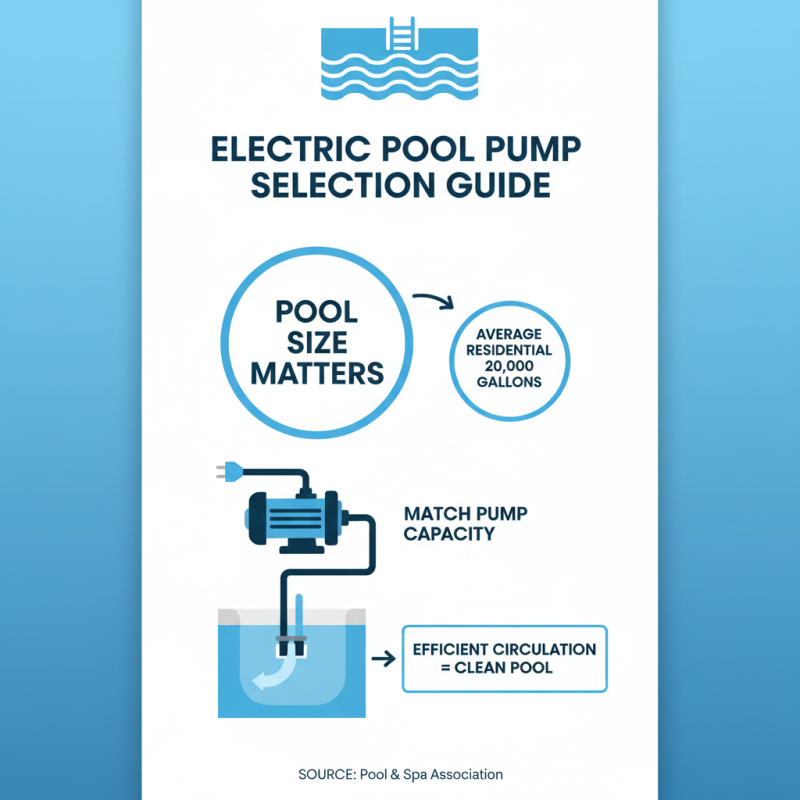
When choosing an electric pool pump, understanding size and capacity is crucial. The right pump should match your pool volume. According to the Pool & Spa Association, the average residential pool holds about 20,000 gallons of water. Hence, selecting a pump that can circulate this volume efficiently is vital.

Consider flow rate. This measure indicates how many gallons the pump can move per minute. A good rule is to achieve a turnover rate of once every eight hours. For a 20,000-gallon pool, you need a pump with a flow rate of at least 42 gallons per minute. However, many homeowners overlook this detail, resulting in underperformance and increased energy costs.

Another factor is the pump’s horsepower. Professionals often advise choosing a pump with at least 1.5 to 2 HP for average-sized pools. Yet, only 30% of pool owners understand this, leading to poor energy efficiency. The Energy Star program indicates that properly sized pumps can reduce energy consumption by up to 70%. Ignoring these requirements can lead to an ineffective pump, increased wear, and unexpected repairs.

Energy Efficiency Ratings and Operational Costs of Electric Pumps

How to Choose the Best Electric Pool Pumps for Your Needs?

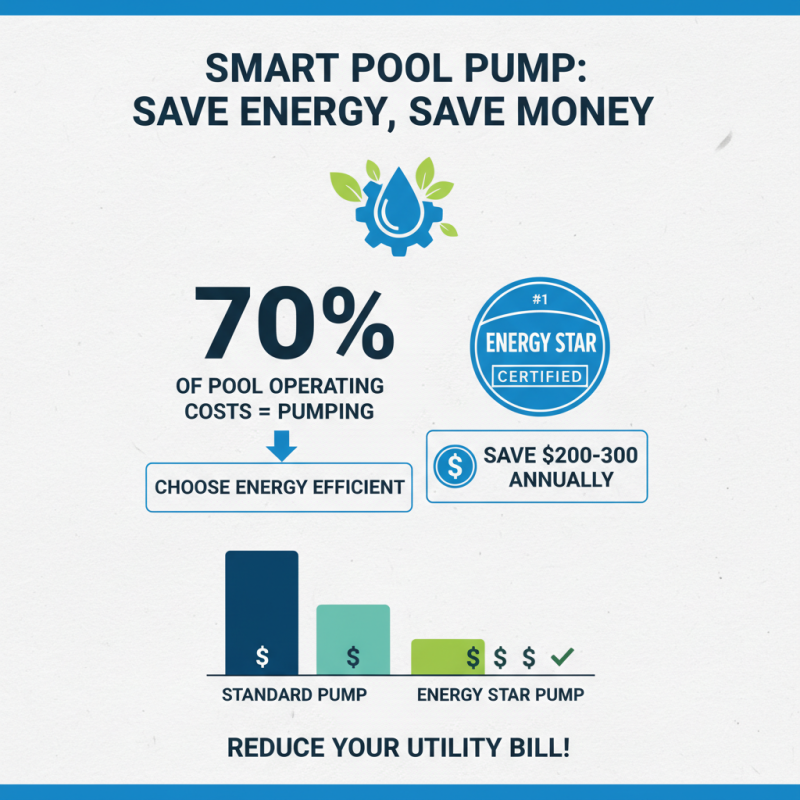
When selecting electric pool pumps, energy efficiency is paramount. Data from the U.S. Department of Energy shows that up to 70% of a pool's operating costs come from pumping. Choosing an efficient pump can significantly reduce this expense. Look for models with high energy efficiency ratings, such as those meeting the #1 Energy Star certification. These pumps can save homeowners between $200 and $300 annually.

The operational costs of electric pumps vary widely. Standard pumps may consume around 2,000 to 3,000 watts per hour. In contrast, energy-efficient models operate on approximately 500 to 1,500 watts. A homeowner might enjoy a noticeable difference in their utility bill by sticking to the lower end. However, the initial investment in an energy-efficient pump is higher, which can lead to hesitation.

Additionally, the longevity of electric pumps affects their overall cost. While standard models may last about five years, higher-quality pumps tend to last a decade or more. Investing in a durable and efficient pump might seem daunting at first. However, it pays off in reduced operational costs and longer-term savings. Consider these factors carefully to make the best decision for your swimming pool.

Maintenance Tips for Long-lasting Performance of Electric Pool Pumps

Electric pool pumps are essential for keeping your pool clean and functional. Maintenance plays a key role in their longevity. Regular inspection of the pump's strainer basket can prevent clogs. A clogged basket restricts water flow, leading to inefficiencies. Cleaning it every few weeks can make a big difference.

Check the seals and gaskets periodically. They can wear out over time, causing leaks. A small leak might seem harmless but can lead to significant water loss. In winter, store the pump properly to avoid damage. Even minor missteps in winterization can lead to costly repairs.

Monitor the pump's noise level. An unusual sound may signal a problem. Address issues promptly to avoid bigger headaches. Be aware that pool maintenance isn't a one-time task. Regular attention will ensure your pump runs smoothly for years to come. Adjust your care routine based on seasonal changes. This proactive approach helps deliver consistent performance.

Electric Pool Pumps Efficiency Comparison

Call (416) 661-5667