How to Choose the Right Pool Pump Motors for Your Swimming Pool
Choosing the right pool pump motors is crucial for maintaining the efficiency and longevity of your swimming pool system. As the heart of your pool's circulation and filtration, pool pump motors play a significant role in keeping the water clean and clear while ensuring that energy consumption is minimized. With a variety of options available on the market, understanding the key features and specifications is essential for making an informed decision.
When selecting pool pump motors, factors such as horsepower, energy efficiency, and compatibility with your existing pool setup should be thoroughly considered. The right motor can help reduce operational costs while providing optimal performance. Additionally, exploring variable-speed options can offer enhanced flexibility and control over your pool's water circulation, leading to improved energy savings and lower maintenance requirements. Ultimately, a well-chosen pool pump motor not only boosts the functionality of your swimming pool but also enhances your overall enjoyment of this essential outdoor space.
Understanding the Basics of Pool Pump Motors
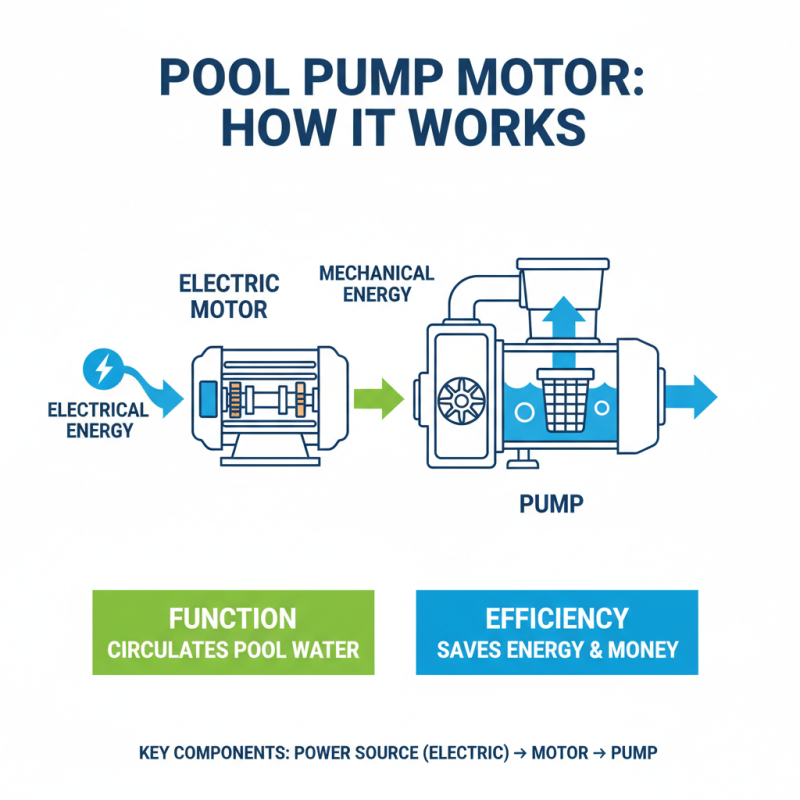
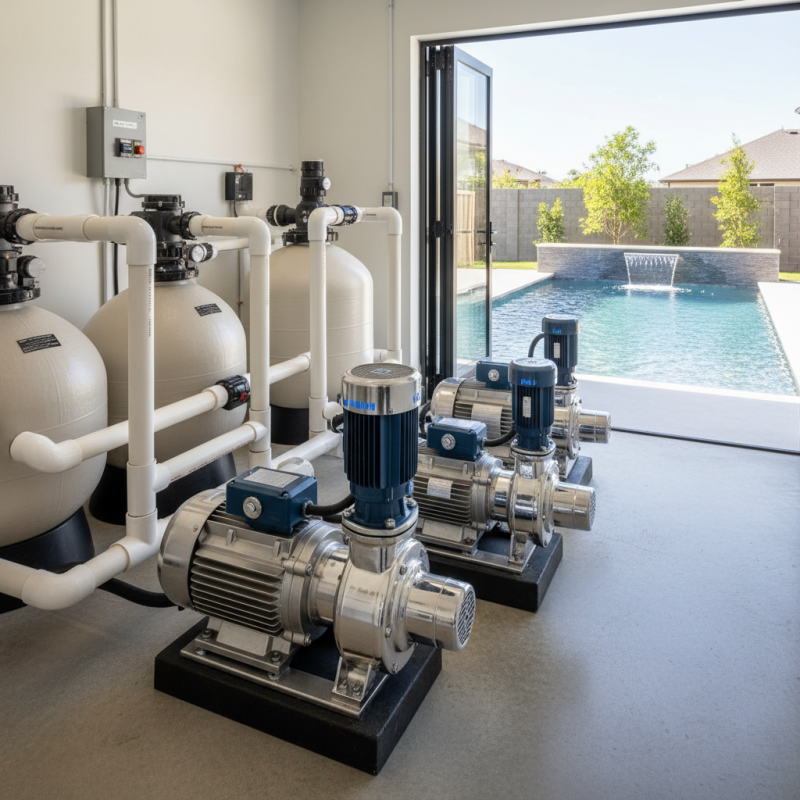
When considering pool pump motors, it's essential to understand their basic components and functions. At the core of a pool pump motor is its power source, which is typically electric. The motor converts electrical energy into mechanical energy, driving the pump to circulate water in the pool. The efficiency of the motor is crucial, as it not only determines how effectively the water is circulated but also impacts energy consumption and operational costs.
Another important aspect to consider is the motor's horsepower rating. This rating indicates the power output of the motor and is directly related to its ability to handle the pool's water volume. A motor with insufficient horsepower may struggle to keep the pool water clean and well-circulated, leading to potential issues such as algae growth or cloudy water. Conversely, an oversized motor may lead to increased energy bills and unnecessary wear on the equipment. Understanding the sizing requirements based on pool volume and specific features, such as water features or spa conditions, will help ensure optimal performance.
Identifying Your Pool Size and Type for Motor Selection
When selecting the right pool pump motor, understanding your swimming pool's size and type is crucial. The dimensions of your pool will directly influence the motor's horsepower requirements. For smaller pools, a pump motor with a lower horsepower may suffice, while larger pools typically require more powerful motors to achieve effective water circulation and filtration. Additionally, the pool's shape and depth can affect how much water needs to be moved, and this should also be considered in the motor selection process.
Another essential factor is the type of pool you have. In-ground pools often necessitate more robust pumping capabilities compared to above-ground pools. The construction materials of your pool and the intended usage—such as whether it will regularly host swimmers or be primarily decorative—will further guide you in selecting the appropriate motor. Lastly, take into account the local climate and average pool usage; both elements can dictate the needed efficiency and power of your pump motor, ensuring optimal performance tailored to your specific setup.
Evaluating Energy Efficiency Ratings for Pool Motors
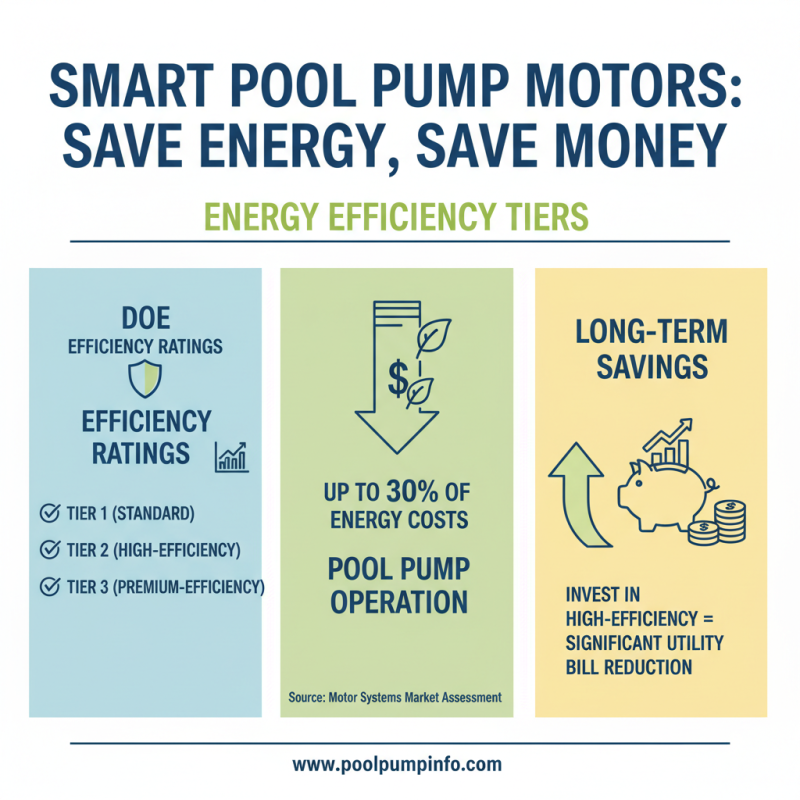
When selecting a pool pump motor, energy efficiency should be a primary consideration. The U.S. Department of Energy has established energy efficiency ratings for pool pump motors, classifying them into various efficiency tiers. These tiers are based on the Motor Systems Market Assessment, which highlights that up to 30% of a pool owner's energy costs can be attributed to pump operation. Therefore, investing in a high-efficiency motor can lead to significant long-term savings on utility bills.
Pool motors are rated using the Energy Efficiency Rating (EER), which gives consumers an idea of how much energy a motor will consume relative to its output. According to the American Council for Energy-Efficient Economy, switching to a variable-speed motor can save pool owners between 50-75% on energy costs compared to traditional single-speed models. These variable-speed motors allow for adjustment of flow rates to match specific needs, thereby optimizing energy use. Additionally, the National Electrical Manufacturers Association suggests that motors with a higher EER not only reduce energy consumption but also contribute to less wear and tear, extending the lifespan of the equipment. Therefore, evaluating EER is crucial in choosing the right pool pump motor for both economic and environmental benefits.
Matching Motor Horsepower to Your Pool Pump Requirements
When selecting the right pool pump motor, matching the motor horsepower to your specific pool pump requirements is crucial. The horsepower needed largely depends on various factors, including the size of your swimming pool, the type of filtration system in use, and how often you want to run the pump. A general rule of thumb is to have at least 0.5 HP for smaller pools and 1 to 2 HP for larger residential pools. Understanding the flow rate and pump head required for your setup will help ensure optimal performance and energy efficiency.
Tips: Always calculate the total dynamic head (TDH) for your pool system. This includes the height the water needs to be pumped and the resistance caused by the pipe length and fittings. By selecting a motor that can handle your TDH while still providing adequate flow rates, you'll maximize your system's efficiency and longevity.
Another crucial aspect is considering the pump's duty cycle. If you intend to run your pump continuously, choosing a motor with a slightly higher horsepower may be beneficial, providing the extra power needed to manage increased demand without straining. Additionally, ensure that the motor is compatible with your pump’s specifications to avoid any operational issues.
How to Choose the Right Pool Pump Motors for Your Swimming Pool - Matching Motor Horsepower to Your Pool Pump Requirements
| Pool Size (Gallons) |
Recommended Pump Flow Rate (GPM) |
Motor Horsepower |
Ideal Application |
| 10,000 |
20 |
1.0 |
Small Above-Ground Pools |
| 20,000 |
40 |
1.5 |
Medium In-Ground Pools |
| 30,000 |
60 |
2.0 |
Large In-Ground Pools |
| 50,000 |
90 |
3.0 |
Commercial Pools |
Considering Noise Levels and Maintenance Needs in Motor Choices
When selecting pool pump motors, considering noise levels is essential for maintaining a peaceful backyard environment. Standard motors can often produce a significant amount of noise during operation, which may disrupt relaxation or social gatherings. To mitigate this, one can look into options such as variable-speed motors or energy-efficient models that typically operate more quietly compared to their single-speed counterparts. Additionally, sound insulation methods can be explored, which can further reduce the audible impact of the motor while it’s running.
Maintenance needs also play a crucial role in the decision-making process when choosing a pool pump motor. Different motors require varying levels of upkeep, and understanding these requirements can save time and costs in the long run. For instance, high-efficiency motors may demand less frequent maintenance due to their advanced designs and materials, which can withstand wear and tear more effectively. Choosing a motor that is easy to service and has readily available replacement parts can make maintenance less daunting, ensuring that pool maintenance remains a stress-free activity rather than a chore.
Noise Levels and Maintenance Needs of Pool Pump Motors
The following chart illustrates the average noise levels and maintenance requirements for different types of pool pump motors. Understanding these factors can help in selecting the right motor for your swimming pool.