Top 10 Tips for Choosing the Right Pool Motor for Your Needs
When it comes to maintaining a clean and enjoyable swimming pool, selecting the right pool motor is crucial. According to the Pool & Hot Tub Alliance, the efficiency of a pool motor can significantly impact both operational costs and pool maintenance efforts. In fact, a high-efficiency pool motor can reduce energy consumption by up to 70% compared to older, less efficient models. With a plethora of options available in the market, making an informed choice is essential to ensure optimal performance and longevity of your pool system.
Moreover, understanding the specific needs of your pool is vital for selecting the best motor. Factors such as pool size, circulation requirements, and local climate can not only affect the efficiency of the motor but also influence the overall upkeep of the pool. The American Society of Mechanical Engineers emphasizes that selecting the right pool motor not only enhances performance but also reduces the frequency of repairs and replacements, leading to cost savings in the long run. By paying close attention to these considerations, pool owners can tailor their choice of motor to meet their unique requirements, ensuring a perfect balance of performance and efficiency.
Understanding Pool Motor Types and Their Features
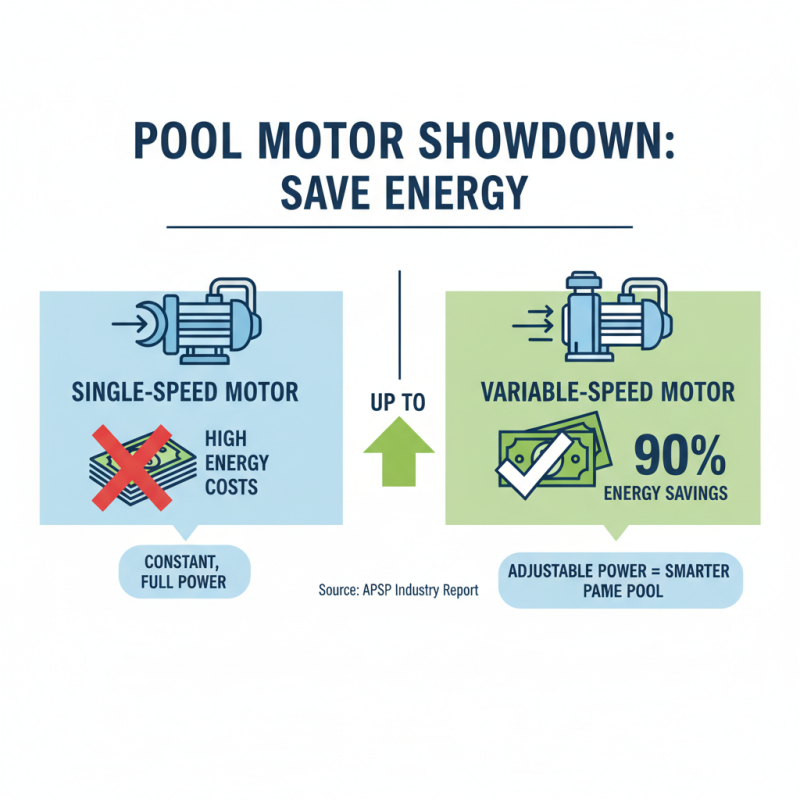
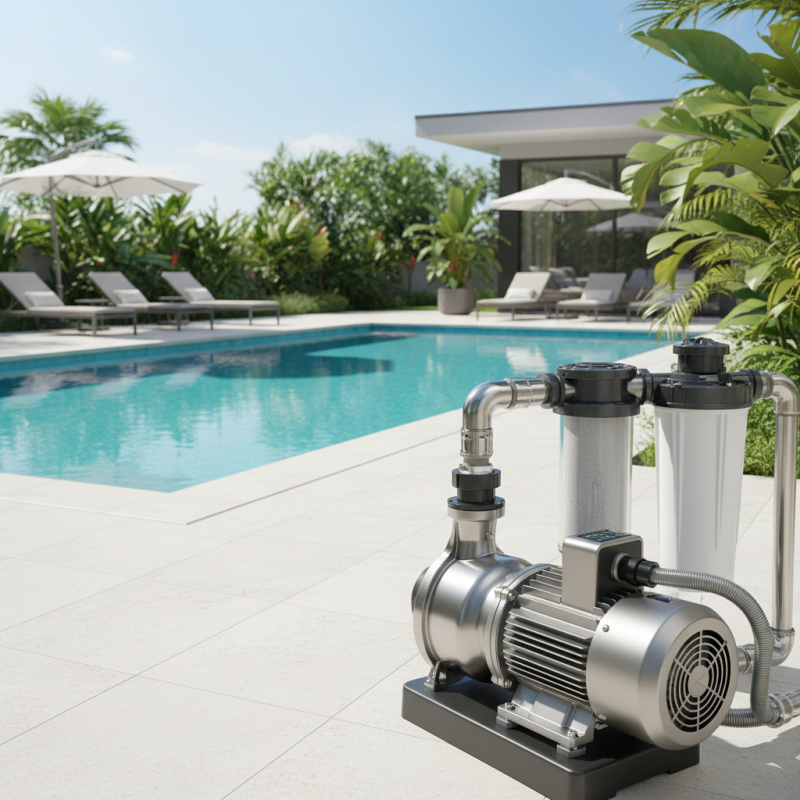
When selecting the right pool motor, understanding the various types and their specific features is crucial for optimizing your pool's performance. Pool motors primarily fall into two categories: single-speed and variable-speed motors. According to a recent industry report by the Association of Pool & Spa Professionals (APSP), variable-speed motors can save homeowners up to 90% on energy costs compared to traditional single-speed motors. This significant cost efficiency is achieved by allowing the user to adjust the motor speed based on the specific tasks required, from water circulation to filtration.
When considering a pool motor, it is essential to evaluate factors such as horsepower, efficiency, and noise levels. A motor with higher efficiency ratings, like those classified under the National Electrical Manufacturers Association (NEMA) standards, ensures better performance and lower operational costs. Additionally, quiet operation can enhance your overall pool experience, particularly if you enjoy evening swims.
Tip: Always check whether the motor's insulation type suits your climatic conditions to prevent premature failure. Furthermore, pay attention to warranties and service options offered by retailers, as these can significantly affect your long-term satisfaction and motor longevity.
Key Considerations for Energy Efficiency in Pool Motors
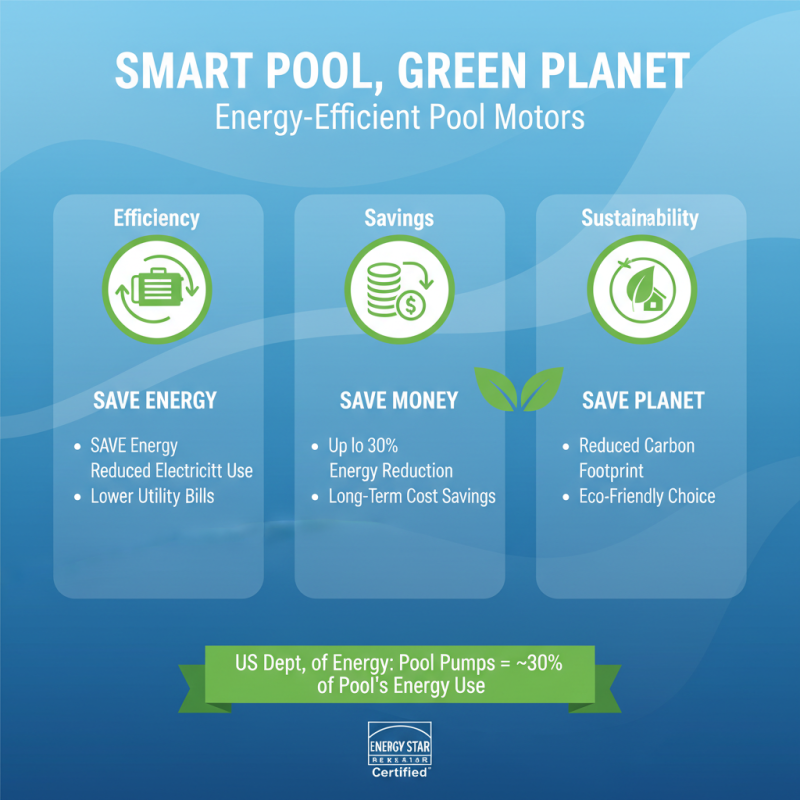
Choosing the right pool motor is essential not only for efficient operation but also for energy conservation. As pool owners increasingly prioritize sustainability, understanding energy efficiency in pool motors has become paramount. According to the U.S. Department of Energy, pool pumps can account for nearly 30% of the total energy consumption associated with a residential pool. Therefore, selecting an energy-efficient motor can significantly reduce operating costs and environmental impact.
When considering energy efficiency, look for motors with a higher efficiency rating. Specifically, Energy Star-rated motors promise to deliver savings without compromising performance. According to recent industry research, switching to a variable-speed pool motor can save pool owners up to 80% on their electricity bills compared to traditional single-speed motors. These motors allow users to adjust speed settings based on their pool's filtration needs, maximizing efficiency at all times.
In addition to motor efficiency, it's crucial to assess the size and compatibility with your existing pool system. The right horsepower can prevent overworking the motor, which not only saves energy but also prolongs its lifespan. Furthermore, consider investments in automation and smart technology. This approach allows you to monitor usage and adjust operation times, further enhancing energy savings. By focusing on these key considerations, pool owners can make informed decisions, balancing functionality with sustainability.
Assessing Pool Size and Water Volume for Motor Selection
When selecting the right pool motor, one of the primary considerations should be the size of the pool and the volume of water it contains. The motor you choose needs to be adequately powerful to circulate the water efficiently, ensuring proper filtration and sanitation. For an average-sized residential pool, typically ranging from 10,000 to 20,000 gallons, a motor with a flow rate of 1 to 1.5 horsepower is often sufficient. However, for larger pools, you may need a more robust motor to handle increased volume and maintain water clarity.
Tip 1: Measure your pool dimensions accurately to calculate its total volume. This measurement is crucial in determining how powerful a motor you will need. Overestimating your pool size may lead to selecting a motor that is too powerful, increasing energy costs unnecessarily, while underestimating could result in inadequate water circulation, leading to poor water quality.
Tip 2: Consider how often you plan to run your pool pump. If your pool is used frequently or often has many swimmers, a more powerful motor can help manage higher water turnover rates, keeping your pool clean and inviting. Additionally, scheduling regular pump operation during off-peak hours can reduce energy consumption, making your pool maintenance more cost-effective.
Top 10 Tips for Choosing the Right Pool Motor for Your Needs
| Pool Size (Gallons) |
Recommended Motor HP |
Estimated Flow Rate (GPM) |
Usage Type |
| 5,000 |
0.5 HP |
20 |
Residential |
| 10,000 |
0.75 HP |
25 |
Residential |
| 15,000 |
1 HP |
30 |
Residential |
| 20,000 |
1.5 HP |
40 |
Residential/Small Commercial |
| 30,000 |
2 HP |
50 |
Commercial |
| 40,000 |
3 HP |
60 |
Commercial |
Evaluating Noise Levels and Operation Preferences
When selecting a pool motor, one of the key factors to consider is the noise level during operation. Many pool owners prefer quieter models to ensure a peaceful environment, especially during evening hours or when hosting gatherings. Look for motors that have noise-reduction features like insulated casings or low-decibel ratings. A motor that operates quietly can significantly enhance your overall pool experience, allowing you to enjoy the soothing sounds of water without interruption.
In addition to noise levels, your personal operation preferences also play a crucial role. Consider whether you want an automatic or manual pool motor. Automatic motors can save time and effort but may come with added complexity in terms of installation and maintenance. On the other hand, manual motors might offer simplicity but require more active involvement. Evaluate how frequently you use your pool and the level of convenience you desire, which will help you determine the right motor type for your needs.
Tip: Always check customer reviews and product specifications to get an idea of the motor's noise levels and efficiency. Another important consideration is the energy consumption of the motor; energy-efficient models not only save you money in the long run but can also operate more quietly. Focusing on these aspects can help you find a pool motor that meets your expectations and enhances your enjoyment of your pool.
Top 10 Tips for Choosing the Right Pool Motor: Evaluating Noise Levels and Operation Preferences
Budgeting: Cost vs. Value in Pool Motor Purchase
When it comes to purchasing a pool motor, the balance between cost and value is crucial. A lower-priced motor might seem appealing at first, but it’s important to consider its long-term performance and durability. Investing in a higher-quality motor may lead to reduced maintenance costs and increased efficiency, ultimately saving you money in the long run. Evaluate the materials used, the manufacturer’s reputation, and warranty offerings, as these factors contribute significantly to the overall value of the motor.
Additionally, while budgeting for a pool motor, it’s wise to assess your specific needs and the features that are essential for your pool setup. A motor that fits your requirements may come at a higher price point, but opting for one with the right specifications can enhance your pool experience. Keep in mind that inefficiency can lead to higher energy bills, making a more expensive but efficient motor a smarter investment. Balancing upfront costs with potential savings and performance benefits can guide you to a more informed purchasing decision.