How to Choose the Best New Pool for Your Home?
Choosing a new pool for your home is an exciting journey, but it can also be overwhelming. Industry expert John Anderson, a renowned pool designer, states, "The perfect new pool reflects your lifestyle and needs." This highlights the importance of thoughtful selection.
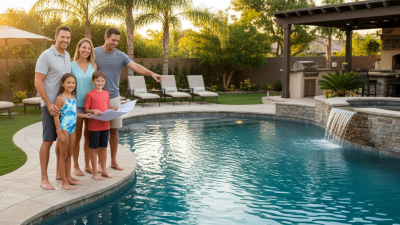
When considering a new pool, think about your family’s lifestyle. Do you have kids who will enjoy splashing around? Or do you envision hosting summer parties? Each choice impacts the pool's design and functionality. Don’t rush the decision; it's easy to overlook essential factors.
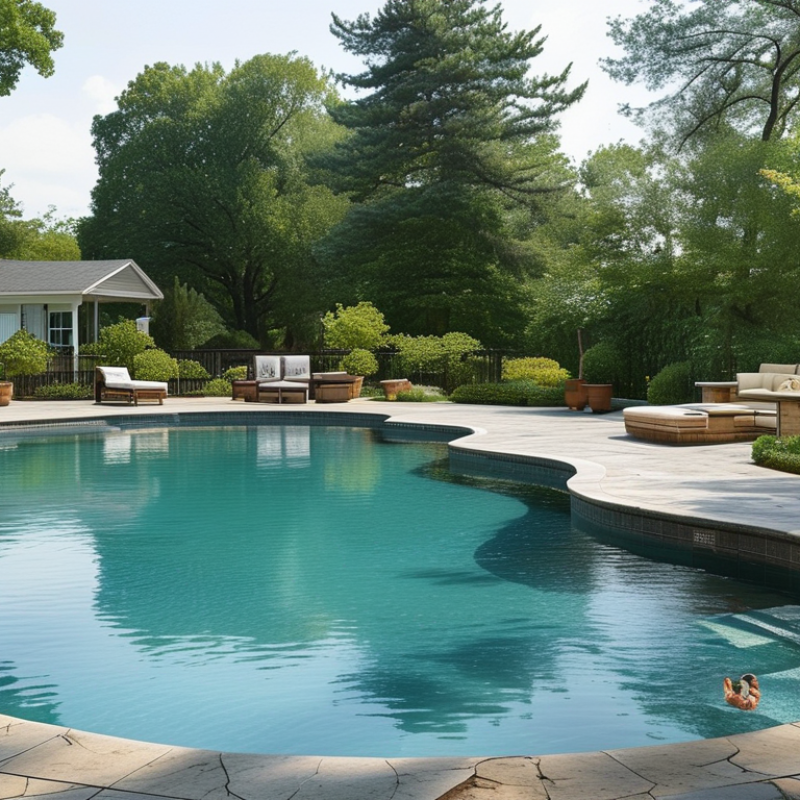
Consider different shapes and sizes. An improperly sized pool can dominate your yard or feel too small. Reflect on your goals and available space. Remember, a new pool is a long-term investment, and it should enhance your home’s value. Take your time to weigh all options carefully. Each decision should align with your vision and practical needs.
Understanding Your Pool Needs and Preferences
Choosing the best new pool for your home requires a deep understanding of your needs and desires. What kind of activities do you envision?
Consider how often you will use the pool. Will it be for family fun, exercise, or relaxation?
This clarity will guide your decision.
Think about the pool's size and shape. Do you have a spacious backyard, or is your area limited?
A larger pool allows for more versatility but also requires more maintenance.
Smaller pools can offer cozy family swimming, yet they may lack the space for activities.
Reflect on how your lifestyle aligns with these options.
Water features can enhance the experience but come with extra costs. Are you interested in a simple design or something more elaborate with lights and waterfalls?
Weigh these details carefully. Budget considerations are crucial.
Always remember, the most expensive option may not be the best fit for your home.
Listen to your instincts and preferences throughout the process.
Evaluating Different Types of Pools: Above Ground vs. In-Ground
Choosing the right pool for your home is a significant decision. The type of pool can affect your lifestyle, maintenance needs, and even property value. Above-ground pools are typically easier to set up. They can cost around $2,000 to $5,000, depending on size and features. This makes them an accessible option for many families.
In contrast, in-ground pools offer durability and customization that above-ground models may lack. According to industry reports, the average cost of an in-ground pool ranges from $30,000 to $50,000. These pools can boost your property value by up to 7%. However, the installation process is complex and time-consuming, often requiring professional assistance.
Maintenance varies significantly between both types. Above-ground pools generally need less upkeep, yet they can be prone to damage from weather conditions. In-ground pools provide a more permanent solution but may also present hidden costs like repairs. It’s essential to weigh these factors carefully and reflect on what suits your lifestyle and budget best.
Assessing Budget Considerations for Your New Pool
When planning to add a pool to your home, budget is a key consideration. Begin by estimating your total costs. Concrete pools may carry higher initial expenses than vinyl or fiberglass options. Installation costs can vary widely based on your location, design, and size of the pool. This means some homeowners might need to compromise on features or styles. Evaluating labor costs in your area is essential.
Don’t overlook ongoing expenses like maintenance and utilities. A larger pool may increase water and electricity bills significantly. Add landscaping or fencing, and your budget expands even more. Consider if shortcuts in construction might lead to higher costs later. Purchasing quality materials can prevent future repairs, which often exceed initial savings.
Reflect on any potential future expenses, too. Reselling a home with a pool can yield mixed results. Some buyers may see it as a luxurious perk, while others view it as a hefty maintenance burden. Prioritizing your family's needs and lifestyle can guide your financial decisions. Investing thoughtfully in a pool can keep both your budget and peace of mind in check.
Exploring Pool Features: Accessories and Customizations
When choosing the perfect pool for your home, exploring various accessories and customizations is essential. Key features can elevate your pool experience, transforming a simple installation into a personal oasis. For instance, built-in LED lighting can create a mesmerizing atmosphere during evening swims. Choose colors that complement your home. Incorporating features like waterfalls or fountains can also add visual appeal and soothing sounds to your pool area.
Understanding what accessories best serve your lifestyle is crucial. If you have children, consider safety features. Pool alarms and covers provide peace of mind. For those who enjoy relaxation, add a spa area or seating with shaded gazebos. Features like swim-up bars can provide fun and convenience for entertaining guests. Reflect on your needs and preferences before making additions.
Customization options vary widely. Some pools come with integrated heating systems for year-round use. Others may include built-in storage for pool toys and equipment. Regardless of your choices, balancing aesthetics with practicality is vital. Each decision should enhance your overall enjoyment while addressing potential challenges or safety concerns.
Pool Features Popularity in 2023
Researching Installation and Maintenance Requirements
When choosing a new pool, understanding installation and maintenance is crucial. Thorough research can help you avoid surprises. Installation often includes digging, plumbing, and electrical work. Each type of pool has unique requirements. In-ground pools may need more extensive site preparation than above-ground options. Assess your yard space, drainage, and access for heavy equipment.
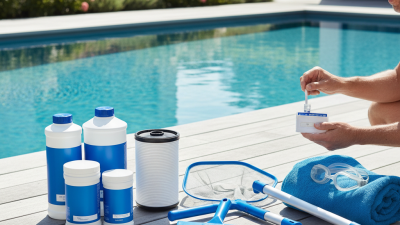
Maintenance is an ongoing responsibility. You'll need to protect your investment with regular cleaning and chemical balancing. Skimming debris, brushing walls, and vacuuming are essential tasks. Installing a filtration system adds efficiency but also requires upkeep. Additionally, checking water levels and monitoring for leaks ensures a safe swimming environment.
Consider the environmental impact as well. Choosing energy-efficient pumps and heaters can reduce long-term costs. Also, think about local climate conditions. Pools in warmer areas may require more frequent maintenance. Reflect on your lifestyle; will you have the time to manage regular upkeep? Investing in professional services could be beneficial but will add to your costs. Evaluate what works best for you and your family.