How to Choose the Best Pool Pumps in Canada?
Choosing the right pool pumps in Canada is crucial for optimal swimming pool performance. With various options available, making an informed choice can seem overwhelming. The right pump not only affects water circulation but also impacts energy efficiency and maintenance.
Pool pumps Canada come in many types, including single-speed, dual-speed, and variable-speed models. It's essential to understand their differences. Each type has its strengths and weaknesses. For example, while single-speed pumps are often more affordable, they can be less efficient in the long run.
Effective decision-making requires consideration of specific pool size and usage. Keep in mind the climate in Canada can also influence your choice. An underpowered pump can lead to water quality issues. Conversely, an overly powerful pump may waste energy and increase costs unnecessarily. By carefully evaluating your needs, you can avoid common pitfalls and select a pump that truly enhances your swimming experience.
Understanding Pool Pump Types for Optimal Pool Maintenance
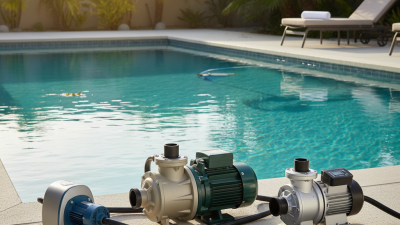
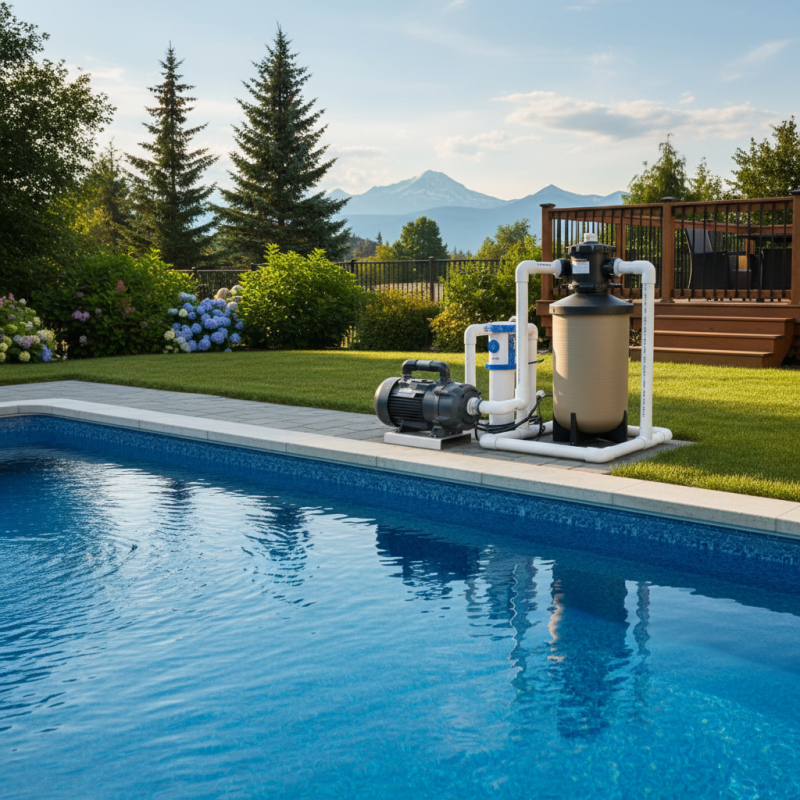
When it comes to maintaining a clean and safe pool, understanding pool pump types is essential. The three main types of pool pumps are single-speed, dual-speed, and variable-speed pumps. Each type serves different needs. Single-speed pumps operate at one constant speed. They are often less expensive but can consume more energy. This could lead to higher utility bills over time.
Dual-speed pumps offer two operating speeds. They can run at a low speed for filtration and a high speed for heavy cleaning. This flexibility can be quite beneficial. However, while they provide some energy savings, they may not be efficient for all pool sizes.
Variable-speed pumps stand out for their Energy Efficiency Ratio (EER). They can adjust to different flow rates based on needs. While they might come with a higher initial cost, they can save money long-term. Still, the technical complexity might be challenging for some users. It’s important to weigh the pros and cons of each type. Your choice should align with your pool's demands and your budget. Consider your preferences carefully before making a decision.
Key Factors Influencing Pool Pump Efficiency and Performance
When selecting the best pool pumps in Canada, several key factors influence their efficiency and performance.
Energy consumption is crucial. A pump that uses less power can significantly reduce your electricity bill. Look for pumps designed with efficiency in mind. Understand the horsepower you need based on your pool size. Too powerful, and you waste energy; too weak, and circulation suffers.
Flow rate plays a vital role as well. It determines how quickly water moves through the pump. Aim for a proper balance between flow rate and head pressure. High flow can lead to faster cleaning, but it might also wear out the system faster.
Assess your pool type; inground pools generally require different specifications compared to above-ground ones.
Additionally, consider the material and build quality. A robust build often translates to longer lifespan and better performance. Plastic materials may be cheaper but can wear out quickly.
Read reviews and gather insights from other pool owners to understand real-world performance. Take time to research various models. Each pool is unique, and finding the right pump can take a bit of trial and error to achieve optimal results.
Evaluating Energy Efficiency Ratings for Pool Pumps in Canada
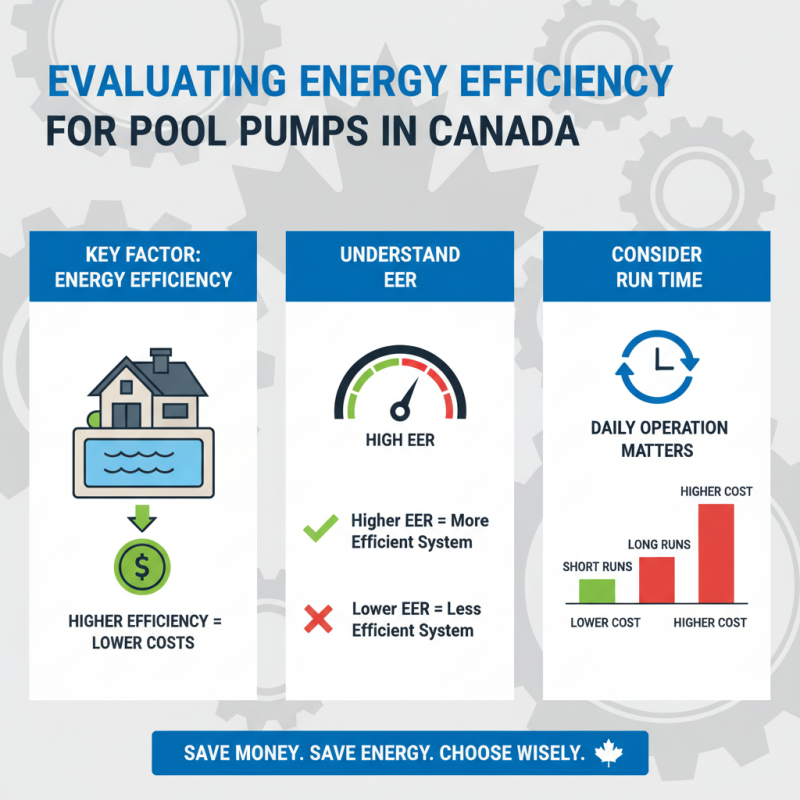
When selecting a pool pump in Canada, energy efficiency is a key factor. Higher efficiency ratings lead to lower energy costs. It’s beneficial to check the pump's Energy Efficiency Ratio (EER). A higher EER indicates a more efficient system. Consider how long your pump will run each day. Many homeowners underestimate the impact of this choice.
Additionally, pay attention to the horsepower of the pump. Too much horsepower can lead to higher energy consumption. Over time, this could increase your utility bills. The ideal pump matches your pool size. For example, a smaller pool needs less power. Think about your specific needs before making a purchase.
Lastly, remember that energy-efficient pumps may have higher upfront costs. It can be tempting to go for the cheapest option. However, it is often more economical in the long run to invest in quality. Make sure to research efficiency ratings thoroughly. Each option should align with your energy goals and budget. Understanding these details enables better decision-making for your pool.
Comparing Brands and Models: Top Pool Pumps in the Market
When choosing pool pumps, it’s crucial to consider various brands and models available in Canada. Each brand presents unique features and capabilities. Some pumps focus on efficiency, while others emphasize quiet operation or durability. Researching user reviews can reveal insights into how these pumps perform over time.
Analyzing specifications like flow rate, energy consumption, and noise levels can be helpful. Some consumers prioritize energy efficiency, hoping to lower their electricity bills. Others might value powerful suction and high flow rates for optimal pool cleaning. Comparing these metrics across products will strengthen your decision.
It is important to remember that each pool has unique requirements. One pump may excel in one situation but underperform in another. Personal experiences can vary widely, often leading to unexpected outcomes. Reflecting on specific needs will guide you in finding the best fit for your pool. Always remain open to adjustments in your choice as technology evolves.
Comparison of Pool Pump Efficiency in Canada
Essential Installation and Maintenance Tips for Longevity of Pool Pumps
When it comes to pool pumps, regular maintenance is crucial for their longevity. Start by keeping the pump and surrounding area clean. Remove debris, leaves, and dirt regularly. This will prevent blockages that can restrict water flow.
Check the pump basket frequently and empty it when needed. A clean pump operates more efficiently.
Another important aspect is monitoring the pump’s mechanical components.
Listen for unusual noises during operation. A humming sound might indicate issues with the motor. Inspect the seals for leaks every few weeks. If you notice any wet spots,
replacing the seals can prevent further damage. Remember, timely intervention can save you money in the long run.
Finally, ensure the pump is adequately sized for your pool.
An oversized pump can lead to frequent repairs. A unit that's too small will struggle to keep up, reducing efficiency. Take your time choosing the right size and consult a professional if you’re uncertain.
Pool ownership demands attention, and a little extra effort will pay off.