How to Choose the Best Swimming Pool Pumps for Your Needs?
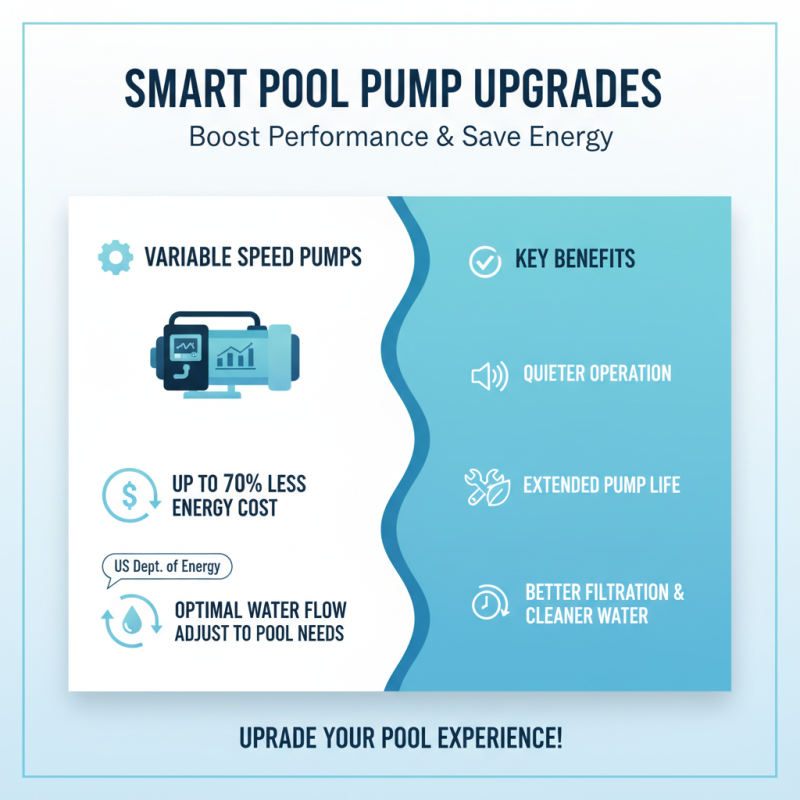
Choosing the right swimming pool pumps is crucial for optimal pool performance and efficiency. According to the Pool & Hot Tub Alliance, an estimated 10 million residential swimming pools exist in the U.S., emphasizing the need for reliable filtration systems. Selecting the appropriate pump can enhance water clarity and circulation. Efficient pumps contribute to energy savings, with some models reducing energy costs by up to 70%, as indicated by the U.S. Department of Energy.
However, many pool owners overlook the importance of matching the pump size and type to their specific needs. A pump too small may struggle to circulate water properly, leading to poor filtration. Conversely, an oversized pump can waste energy and result in excessive wear and tear. Understanding flow rates and hydraulic requirements is essential to making an informed choice. Additionally, the market offers a wide variety of models, each with its performance features. It can be overwhelming to navigate through these options without proper guidance.
Before finalizing a selection, pool owners should consider factors such as pool size, type of filtration system, and local climate. Collaborating with experienced pool professionals can provide valuable insights. Ultimately, investing time and effort in choosing the best swimming pool pumps can significantly impact long-term satisfaction and pool maintenance efficiency.
Understanding the Different Types of Swimming Pool Pumps Available
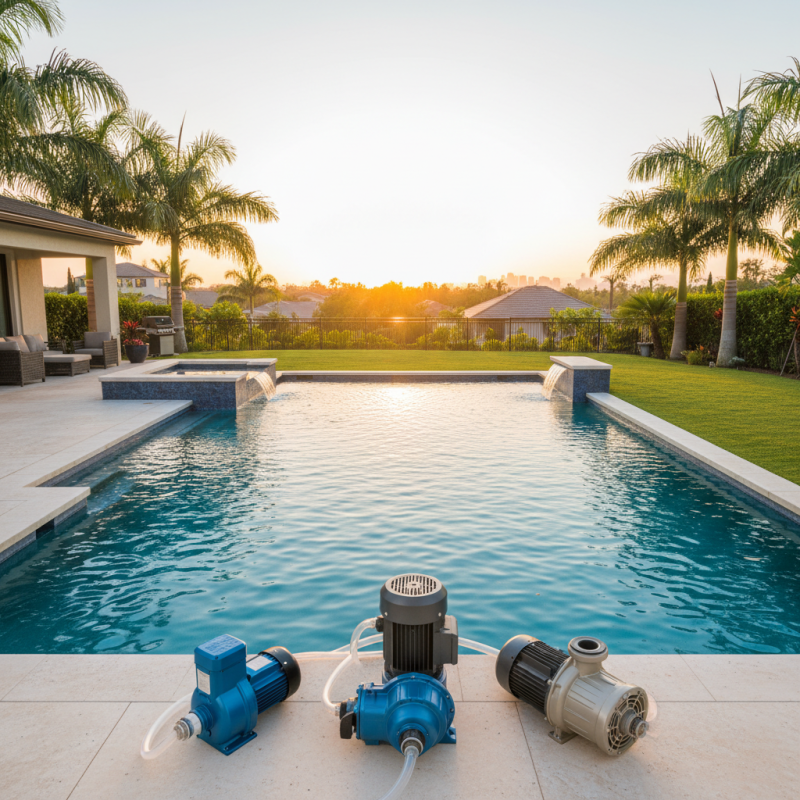
When selecting a swimming pool pump, understanding the types available is crucial. The main categories are single-speed, dual-speed, and variable-speed pumps. According to the U.S. Department of Energy, variable-speed pumps can save up to 80% on energy costs compared to single-speed models. This makes them financially appealing for many pool owners.
Single-speed pumps are straightforward but often inefficient. They operate at one speed, typically high, which can lead to high energy consumption. In contrast, dual-speed pumps offer two operating speeds, allowing for some energy savings when running at a lower setting. However, they are not as flexible as variable-speed models, which can adjust to the needs of the pool.
Choosing the right pump also involves considering the pool size and features. A small pool may not require a high-capacity pump, while larger pools or those with water features might need robust options. The American Pools and Spas Association highlights that the right flow rate is essential for effective filtration and sanitation. This balance can significantly impact water clarity and enjoyment, but many owners overlook it. A mismatched pump can lead to expensive energy bills and inadequate filtration. Always weigh the benefits of efficiency against initial costs.
How to Choose the Best Swimming Pool Pumps for Your Needs?
| Pump Type |
Flow Rate (GPM) |
Energy Efficiency |
Noise Level (dB) |
Best Suited For |
| Single-Speed Pump |
40-90 |
Low Efficiency |
70-80 |
In-ground Pools |
| Variable-Speed Pump |
30-80 |
High Efficiency |
50-60 |
All Pool Types |
| Dual-Speed Pump |
40-80 |
Moderate Efficiency |
60-70 |
Above Ground Pools |
| Solar Pump |
Variable |
Very High Efficiency |
Moderate |
Eco-Friendly Solutions |
| Specialty Pumps |
30-60 |
Varied |
Variable |
Unique Applications |
Evaluating the Size and Capacity Requirements for Your Pool
Choosing the right swimming pool pump requires careful consideration of your pool’s size and capacity. A pump needs to circulate the water efficiently to maintain cleanliness and filtration. The right flow rate is crucial for optimal performance. For example, a medium-sized pool may need a pump that can handle 30-50 gallons per minute (GPM). However, many pool owners overlook this aspect. Understanding your pool's volume helps in making the best choice.
Evaluate your pool's dimensions. Measure the length, width, and depth. For a rectangular pool, calculate the volume by multiplying these numbers. A miscalculation can lead to an insufficient pump. Many users feel overwhelmed by the process. Assess your pool's turnover rate as well; ideally, water should circulate completely every 6 to 8 hours. This ensures clean water and proper chemical distribution. Investing time in these details is crucial; ignoring them may lead to future issues.
Considering Energy Efficiency and Operational Costs of Pool Pumps
When choosing a swimming pool pump, energy efficiency is a critical factor. According to the U.S. Department of Energy, pumps can account for up to 30% of a pool's total energy use. Selecting an energy-efficient pump can dramatically reduce operational costs. For instance, variable speed pumps, which adjust their speed based on pool needs, can save homeowners 30% to 90% on energy bills. These pumps may have a higher upfront cost but will pay for themselves over time.
Operational costs are influenced not only by energy consumption but also by maintenance. A pump that requires frequent repairs or parts replacement can significantly increase expenses. Research shows that a well-maintained pump can last 8 to 15 years, while neglected ones may fail much sooner. The initial savings from cheaper models can vanish when considering long-term costs. It's essential to balance initial investment with expected lifetime costs, ensuring the chosen pump meets both efficiency and durability needs.
Investing in energy-efficient equipment is more than a choice; it’s a responsibility. Pool owners should regularly review their usage and be mindful of changing energy rates. Decisions should be based not only on price but also on long-term sustainability. This approach encourages a more thoughtful engagement with energy consumption and impacts the environment positively.
Energy Efficiency Comparison of Swimming Pool Pumps
This bar chart compares the energy efficiency of different swimming pool pumps in terms of energy consumption measured in kilowatt-hours (kWh). It helps pool owners to make informed decisions based on energy costs and efficiency levels.
Assessing Noise Levels and Maintenance Needs of Pool Pumps
When selecting a swimming pool pump, noise levels and maintenance are critical factors. A study by the Association of Pool & Spa Professionals indicates that excessive noise can lead to a negative swimming experience. Pumps can vary significantly in decibels; quieter models operate around 50 dB, while others may reach 70 dB or more. This noise can disrupt relaxation, especially in residential settings. Therefore, sound ratings should be a priority in your selection process.
Maintenance needs vary across different pump types. A recent report from the National Swimming Pool Foundation noted that sand filters require regular cleaning and media replacement every five years. In contrast, cartridge filters are simpler but need frequent cartridge replacements. Routine check-ups are essential for maintaining optimal performance and efficiency. Pumps left unchecked can lead to severe operational issues, which can be costly and time-consuming. A reliable maintenance plan is necessary to extend the life of your pump.
Many pool owners underestimate the importance of selecting the right pump. A poorly chosen pump can result in higher electrical bills and increased wear and tear. Finding a balance between noise levels, maintenance requirements, and energy efficiency is vital. Thus, investing time in research may save money and enhance the pool experience.
Identifying Additional Features to Enhance Pump Performance and Usability
When selecting a swimming pool pump, consider additional features that can significantly enhance its performance and usability. Variable speed pumps are gaining popularity due to their energy efficiency. According to the U.S. Department of Energy, these pumps can reduce energy costs by up to 70% compared to single-speed models. They allow users to adjust the flow rate based on specific needs, which is invaluable for maintaining optimal water circulation.
Noise level is another important feature to evaluate. Pumps can often operate at unsettling decibels. Manufacturers have developed quieter models that operate below 60 dB, making them suitable for residential areas. This can create a more pleasant swimming experience. Additionally, some pumps come equipped with advanced filtration capabilities. These features can enhance water clarity and reduce maintenance frequency, saving time and effort.
Smart technology integration has transformed pool pump usability. Remote control through smartphones allows for easier management, especially during off-peak hours. However, potential users should be aware of the learning curve associated with such features. The added complexity can sometimes lead to operational issues if not quickly understood. Ultimately, identifying these features tailored to your needs can significantly impact your pool maintenance experience.