How to Choose the Right Pool Motor for Your Swimming Pool Needs?
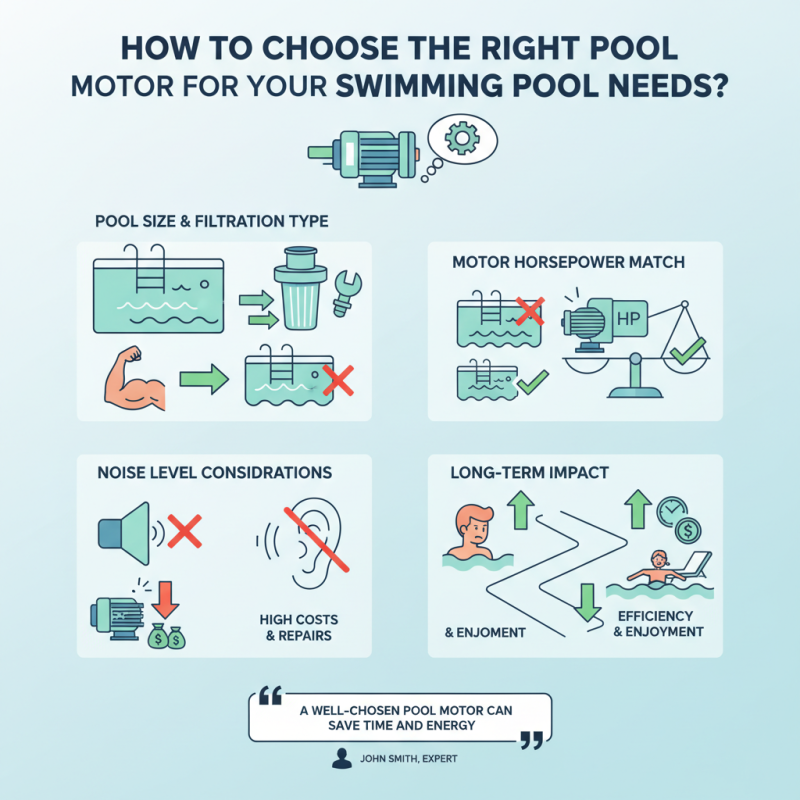
Choosing the right pool motor can greatly impact the efficiency and maintenance of your swimming pool. Renowned pool motor expert, John Smith, emphasizes, "A well-chosen pool motor can save time and energy.” It's crucial to consider factors like the size of your pool and the type of filtration system you have.
Many homeowners overlook these elements. An improper selection could lead to higher energy costs and frequent repairs. A powerful pool motor may sound appealing, but it might not be suitable for every pool. Matching the motor's horsepower to your pool type is essential.
Pay attention to the noise level of a motor as well. Some motors can be surprisingly loud, disrupting peaceful poolside moments. Think about the long-term impact of your choice. A well-suited pool motor can enhance your swimming experience, while a bad choice can lead to frustration. Take the time to weigh your options carefully.
Understanding Different Types of Pool Motors Available on the Market
When selecting a pool motor, understanding the types available is crucial. There are two main categories: single-speed and variable-speed motors. Single-speed motors operate at a constant speed, making them straightforward. However, they can be less efficient, especially in larger pools. This may lead to higher energy bills over time.
Variable-speed motors offer more flexibility. They allow you to adjust the speed to match your specific needs, saving energy and reducing costs. These motors can be ideal for intricate pool systems with additional features like water features or heaters. They initially cost more, but savings can accumulate quickly.
Homeowners may overlook specific details in their choice, such as horsepower and compatibility with existing equipment. Not every motor fits every pool setup. Some might find installation a challenge, requiring professional help. Understanding your pool's unique requirements is essential before making a decision. Evaluate different models carefully and consider energy efficiency ratings. This helps you make a more informed choice.
How to Choose the Right Pool Motor for Your Swimming Pool Needs?
| Motor Type |
Horsepower |
Energy Efficiency |
Noise Level (dB) |
Price Range ($) |
| Single Speed |
1.5 HP |
Standard |
70 |
150 - 300 |
| Two Speed |
1.0 HP |
Energy Efficient |
65 |
200 - 400 |
| Variable Speed |
1.5 HP |
Highly Efficient |
50 |
400 - 800 |
| DC Motor |
1.0 HP |
Ultra Efficient |
55 |
500 - 900 |
Evaluating the Power Requirements for Your Swimming Pool Size
Choosing the right pool motor involves understanding your pool's power needs. Start by evaluating the size of your swimming pool. A larger pool requires more power to operate effectively. Typically, pools over 20,000 gallons need motors with higher horsepower ratings. Conversely, smaller pools can function well with lower horsepower.
It's also essential to consider the type of filtration system you have. A complex system may need a more powerful motor. Conversely, simpler systems may work fine with less power. Take into account any additional features like heaters or waterfalls. They will also increase your power needs.
Sometimes, users overlook how power affects energy bills. Higher horsepower may lead to increased costs. Balancing performance with efficiency is crucial. Don't rush the decision—it’s better to gather information first. This way, you avoid mistakes that may cause long-term issues. Also, reflect on the maintenance needs of the motor you choose. A more powerful motor may require more upkeep. Understanding these factors can help you choose wisely.
Key Features to Consider When Selecting a Pool Motor
When selecting a pool motor, it's vital to assess key features that align with your needs. Consider the motor’s horsepower. A higher horsepower provides stronger performance for larger pools. For smaller pools, a motor with lower horsepower might suffice. Think about the efficiency as well. An efficient motor consumes less energy, saving you money over time.
Another crucial aspect is the noise level. Some motors operate quietly, which is ideal for residential areas. Noisy motors can be disruptive. Also, check the durability of materials. A well-made motor will withstand harsh weather and chlorine exposure. You want something that lasts.
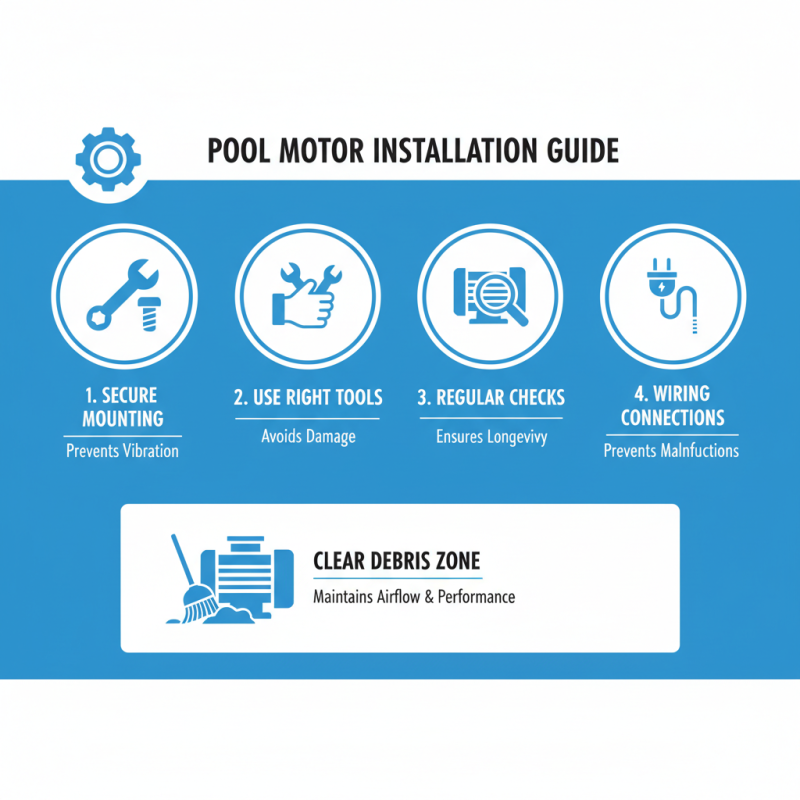
Don’t overlook the installation process. Some motors are easier to install than others. Complex installations may require professional help, which adds to costs. Think about maintenance needs too. A motor requiring frequent service can become a hassle. It’s worth considering how much effort you’re willing to invest in upkeep.
Pool Motor Efficiency Comparison
This chart depicts the efficiency ratings of different power pool motors ranging from 1 HP to 3 HP. As the power increases, the efficiency generally improves, indicating a trend toward higher performance with more robust motors.
Assessing Energy Efficiency and Operating Costs of Pool Motors
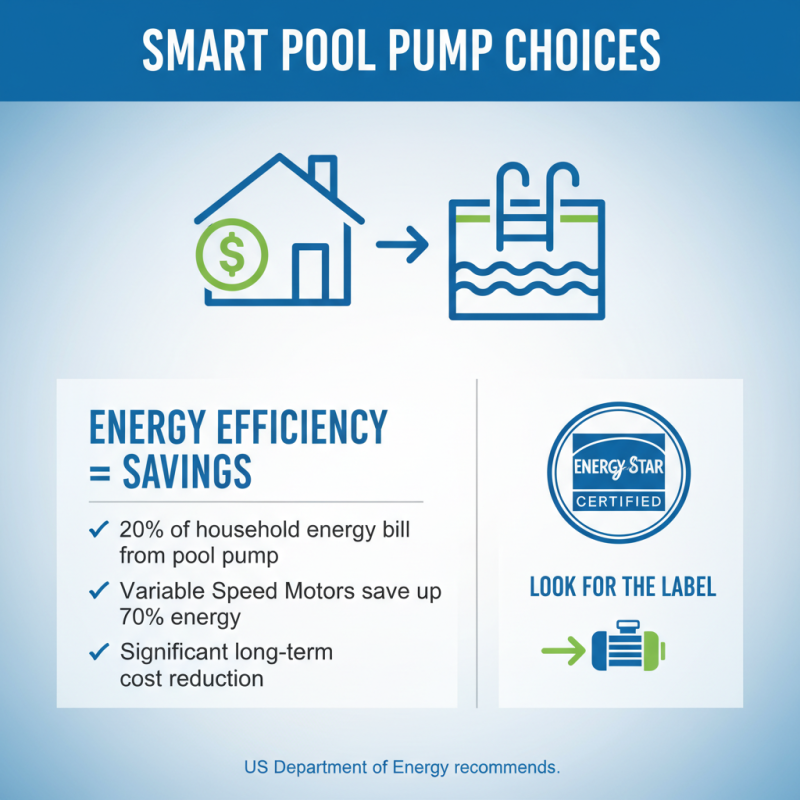
When choosing a pool motor, energy efficiency is a key factor. According to the U.S. Department of Energy, pool pumps can account for about 20% of a household's energy bill. Selecting a variable speed motor, which can reduce energy consumption by up to 70%, is a valid choice. This means significant savings on operating costs over time. It's crucial to assess the motor's efficiency rating, typically found on the Energy Star label.
Tips: Look for motors with high efficiency ratings. These might cost more upfront, but the savings on electricity bills can make a big difference.
Operating costs can vary widely based on the motor's energy use. A standard single-speed pump often uses more energy than necessary. These pumps run at maximum power, even when the pool doesn't need it. A common mistake is not factoring in these costs during the decision-making process.
Tips: Consider your pool's size and usage frequency when choosing a motor. An oversized motor can lead to wastage. Opting for the right size can temper your energy bill and enhance your pool experience.