Top Tips for Choosing the Right Silicone Rubber Hose?
When selecting a Silicone Rubber Hose, various factors come into play. These hoses are versatile and widely used across different industries. The right choice can enhance performance while ensuring durability. However, it's easy to feel overwhelmed by the options available in the market.
Understanding the properties of Silicone Rubber Hose is crucial. Many people underestimate factors like temperature resistance, flexibility, and chemical compatibility. Each aspect directly impacts the hose's performance. Small mistakes in selection can lead to costly failures. It's essential to reflect on your specific needs before making a decision.
In this guide, we aim to clarify the confusion surrounding the choice of Silicone Rubber Hose. We will share valuable tips to help you make an informed decision. By focusing on real-world applications and requirements, you can navigate this complex landscape more confidently. Your choice can make a significant difference in your projects.
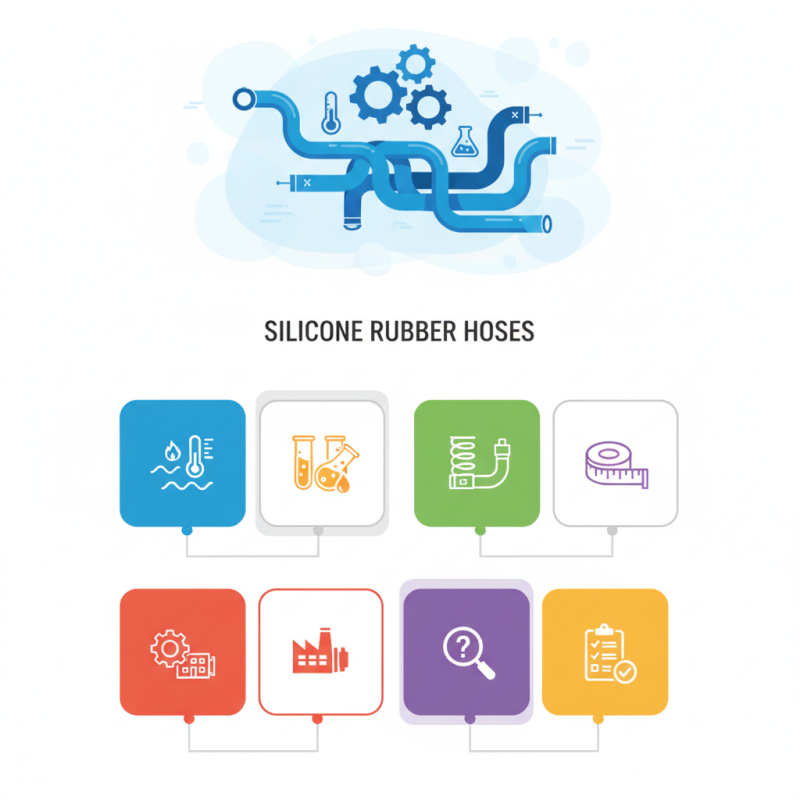
Understanding the Basics of Silicone Rubber Hoses
Silicone rubber hoses are widely used in various industries due to their excellent properties. They can withstand extreme temperatures, ranging from -100°F to 500°F (-73°C to 260°C). This temperature resilience makes them suitable for both high and low-temperature applications. Furthermore, silicone rubber hoses are known for their flexibility and durability. They are often resistant to moisture, chemicals, and UV rays, adding to their appeal for outdoor or industrial uses.
When choosing the right hose, consider the specific requirements of your application. One key tip is to evaluate the operating temperature and pressure. According to industry reports, approximately 70% of hose failures occur due to pressure misuse. Selecting a hose rated for higher pressure than required can prevent premature wear. Another facet to consider is the hose diameter. A mismatch can lead to reduced flow or increased friction, compromising efficiency.
Lastly, always review the hose's compliance with industry standards. Not all silicone hoses are made equal; those adhering to ASTM specifications ensure quality and reliability. Investing in an appropriate hose pays off, as it minimizes risks and maintenance costs in the long run.
Key Characteristics to Consider in Silicone Rubber Hoses
When selecting silicone rubber hoses, understanding their key characteristics is essential. One major factor to consider is temperature resistance. Silicone rubber can withstand a wide range of temperatures. However, not all hoses are designed for extreme heat. Knowing the specific temperature range needed for your application is crucial.
Another important aspect is strength and flexibility. Silicone hoses should be durable yet flexible. They must withstand pressure without cracking or losing shape. Check if the hose material offers the right balance of stiffness and bendability. A hose that feels too hard may not perform well in tight spaces.
Additionally, consider the hose's chemical resistance. Silicone rubber is generally resistant to many chemicals but not all. Testing the compatibility of silicone with the specific fluids it will encounter is wise. If the hose fails due to chemical degradation, it can lead to costly repairs. Sometimes, you might find that a standard option doesn't suit your needs perfectly, prompting the need for customization.
Top Tips for Choosing the Right Silicone Rubber Hose
When selecting a silicone rubber hose, it is important to consider various characteristics such as temperature resistance, flexibility, and pressure tolerance. The following chart illustrates the comparison of these key characteristics for different types of silicone rubber hoses.
Evaluating the Temperature and Pressure Ratings
When selecting a silicone rubber hose, understanding its temperature and pressure ratings is crucial. Different applications demand specific performance levels, and overlooking these factors can lead to failures. According to industry reports, high-quality silicone hoses can withstand temperatures ranging from -60°C to 250°C. Such wide temperature ranges make them versatile for various uses, including automotive and aerospace applications.
Additionally, pressure ratings play a significant role in the hose's performance. Many silicone hoses are designed to handle pressures up to 5 bar, while some specialized hoses can endure even higher pressures. It's essential to match these ratings with the requirements of your application. A mismatch can lead to hose failure, causing not just downtime but also safety hazards.
Experiencing challenges in the field can serve as critical learning moments. For instance, users might find that a hose rated for lower temperatures unexpectedly fails under high-stress conditions. This emphasizes the need for thorough evaluation. Conducting regular inspections and testing can help in identifying potential issues before they escalate.
Top Tips for Choosing the Right Silicone Rubber Hose - Evaluating the Temperature and Pressure Ratings
| Hose Type | Temperature Rating (°C) | Pressure Rating (psi) | Applications |
| High-Temperature Silicone Hose | -60 to 250 | 150 | Automotive, Industrial |
| Low-Temperature Silicone Hose | -75 to 125 | 50 | Food & Beverage, HVAC |
| Reinforced Silicone Hose | -60 to 200 | 200 | Transporting fluids, Vacuum applications |
| Silicone Vacuum Hose | -70 to 180 | 30 | Laboratory, Vacuum systems |
| Medical-Grade Silicone Hose | -50 to 150 | 100 | Medical devices, Biotech |
Assessing Compatibility with Fluids and Chemicals
When choosing a silicone rubber hose, compatibility with fluids and chemicals is crucial. Different substances react variably with silicone. Understanding these interactions will help you avoid costly mistakes and ensure long-term performance.
Start by analyzing the fluids you will transport. Check their chemical properties and list any potential reactions. For instance, some acids can degrade silicone, while others may not. It is essential to consult a compatibility chart before making a decision. Ignoring this step could lead to hose failure and system damage.
Tips for selecting the right hose include conducting tests with small samples. This trial can reveal unexpected reactions. Seek expert advice when in doubt; specialized knowledge can save time and resources. Always prioritize reliable suppliers who guarantee their products for specific applications.
Choosing the Right Size and Diameter for Your Application
Choosing the right size and diameter for a silicone rubber hose is crucial for optimal performance. An incorrect size can lead to inefficiency or even system failure. According to industry reports, hoses that are too small can cause pressure buildup. This results in premature wear and possible rupture. Conversely, hoses that are too large may lead to flow issues, reducing overall efficiency.
Consider the specific requirements of your application. For example, a hose used in a high-temperature environment must be rated for that specific heat level. A 2022 study found that up to 30% of system failures are linked to improper hose sizing. It's essential to check the maximum pressure and flow rate for your application. Regular sizing mistakes occur when users overlook these critical factors, adding layer of complexity.
Don’t forget about the material’s flexibility and bend radius as well. A standard silicone hose might bend more easily than a reinforced model, which affects how it performs under pressure. Industry best practices recommend keeping the hose diameter close to the fitting size to minimize turbulence. Fluid dynamics can be tricky; slight adjustments in hose dimensions can lead to significant changes in performance characteristics.

