How to Choose the Right Swimming Pool Pumps for Your Needs?
Choosing the right swimming pool pumps is crucial for maintaining your pool's health. These pumps play a vital role in circulating water, filtering out debris, and keeping the pool clean. With so many options available, it can be overwhelming to make a choice.
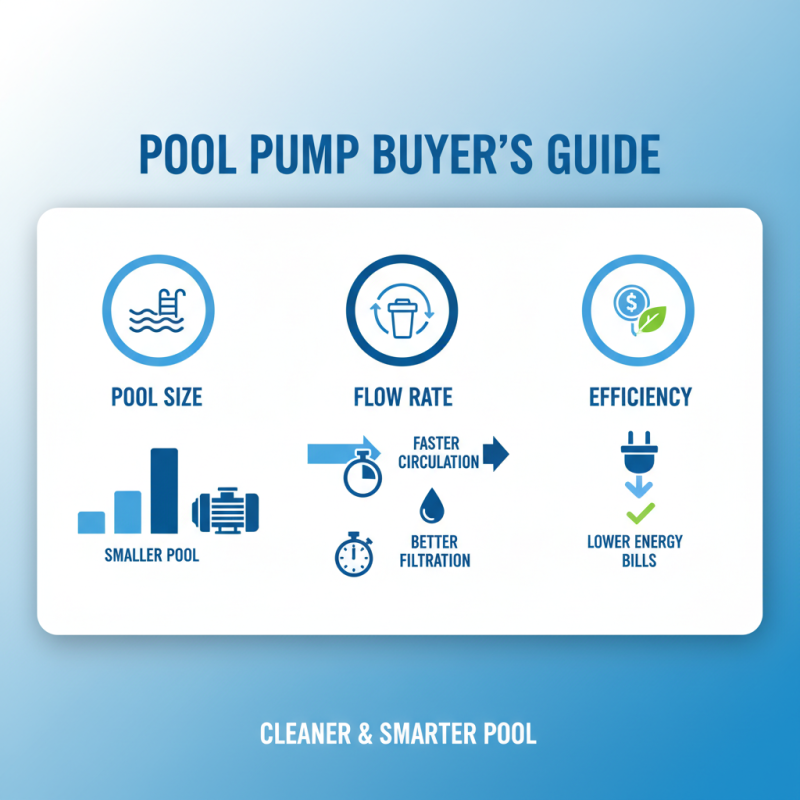
Consider the size of your pool. A powerful pump is necessary for larger pools, while smaller pools require less energy. There are different types of pumps: single-speed, dual-speed, and variable-speed. Each has its advantages and drawbacks. Variable-speed pumps, for instance, can be more efficient but are often pricier.
Think about energy costs. Lower energy consumption saves money in the long run. Some users may prioritize budget over efficiency, leading to potentially higher costs later. Reflect on your swimming habits as well. If the pool is used frequently, a reliable pump is a must. The right swimming pool pumps not only enhance your pool experience but also ensure a safe and enjoyable environment.
Types of Swimming Pool Pumps and Their Functions
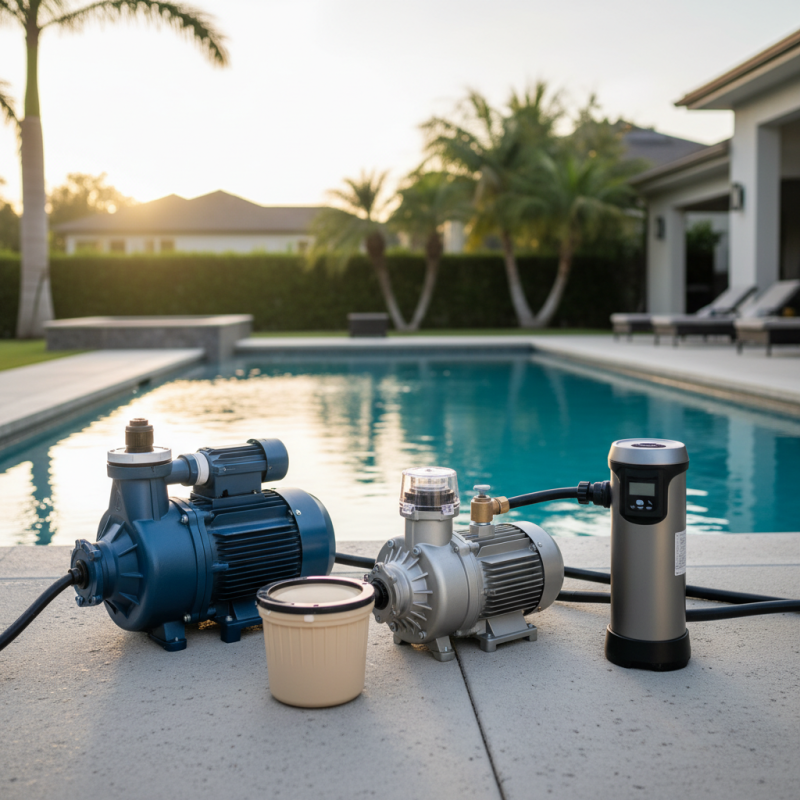
When choosing swimming pool pumps, understanding the types is crucial. There are several main categories. Each type serves distinct functions that influence your pool’s maintenance.
One common type is the centrifugal pump. It uses a rotating impeller to draw water. This type is efficient for standard pools. It can handle large volumes. However, it may not be the best choice for intricate pool designs.
Another popular option is the variable speed pump. These pumps are energy-efficient and allow users to adjust the flow rate. This flexibility can be advantageous for various pool sizes. Yet, they come with a higher initial cost, which might require some consideration.
Tips: Assess your pool size before choosing a pump. A larger pool often needs a more powerful pump. Think about your budget too. Sometimes, cheaper options can lead to higher electricity bills later.
Submersible pumps are also worth mentioning. They sit underwater and can help with draining water. They're great for emergencies. However, they can be less effective for routine filtration tasks. Finding the right balance is essential.
Types of Swimming Pool Pumps and Their Functions
Factors to Consider When Selecting a Pool Pump
Choosing the right swimming pool pump can significantly impact your pool's cleanliness and efficiency. When selecting a pump, consider the pool size. Larger pools may require more powerful pumps to ensure proper water circulation. The flow rate is another crucial factor. It affects how quickly the water moves through the system, impacting filtration and cleanliness.
Energy efficiency is vital. A more efficient pump can save money on energy bills over time. Look for models with variable speed options. These run at different speeds depending on your needs. Noise levels also matter, especially if your pool is near living spaces. Some pumps can be quite loud, which might disturb your peace.
Lastly, think about maintenance. Some pumps require regular upkeep, which can be inconvenient. A pump with easier maintenance features might save you time. It's essential to research user experiences and reviews for insights. Reflect on what aspects are most important for your pool's unique situation. The right choice can simplify your pool ownership journey.
Calculating the Right Pump Size for Your Swimming Pool
Choosing the right pump size for your swimming pool is crucial. The pump needs to efficiently circulate the water. A poorly sized pump can lead to issues like algae growth. It's essential to calculate the pool volume first. Measure your pool’s dimensions: length, width, and depth. Use these measurements to find out the total gallons of water in your pool.
Once you have the volume, consider the turnover rate. This is the time it takes to filter the entire volume of water. For most pools, a turnover every 8 hours is ideal. Divide your pool's volume by the turnover time to get the pump flow rate. For example, a 20,000-gallon pool needs a pump that can move about 42 gallons per minute (GPM).
However, there are other factors to consider. The plumbing size and layout can affect flow rates. If your plumbing is older or has bends, it might create resistance. You might need a more powerful pump than the calculations suggest. Also, consider the pump's energy efficiency. Sometimes, a larger pump may seem ideal, but it could waste energy. Therefore, finding a balance is critical. Always reflect on your calculations to ensure they suit your pool's specific needs.
How to Choose the Right Swimming Pool Pumps for Your Needs?
| Pump Size (GPM) |
Pool Size (Gallons) |
Recommended Pump Type |
Typical Usage (Hours/Day) |
| 20 GPM |
10,000 Gallons |
Single Speed |
6 |
| 40 GPM |
20,000 Gallons |
Variable Speed |
8 |
| 60 GPM |
30,000 Gallons |
High-Flow |
10 |
| 80 GPM |
40,000 Gallons |
Dual-Speed |
12 |
Energy Efficiency and Its Impact on Pool Pump Selection
When selecting a swimming pool pump, energy efficiency plays a crucial role. According to the U.S. Department of Energy, nearly 50% of electricity used by pools can be attributed to the pump. This fact highlights the need for homeowners to consider energy-efficient models. These pumps consume less power, lowering your utility bills significantly. For instance, switching to a variable-speed pump can reduce energy consumption by up to 80% compared to traditional single-speed pumps.
Moreover, energy-efficient pumps can also contribute to a smaller carbon footprint. A report from the Energy Information Administration states that upgrading to energy-efficient appliances can save consumers about $1,000 over ten years. However, some homeowners hesitate due to the higher initial costs. Finding a balance between upfront investment and long-term savings is not easy. It requires careful assessment of your pool's size and frequency of use.
Lastly, consider the noise levels of different pumps. Many energy-efficient models operate quietly, improving the overall pool experience. In contrast, older, less efficient pumps can be quite loud and disruptive. The transition to a quieter and more efficient pump may seem daunting, but the benefits extend beyond just energy savings. It's essential to look at both immediate needs and future implications.
Maintenance Tips for Ensuring Optimal Pump Performance
Regular maintenance of your swimming pool pump is crucial for optimal performance.
Check the pump's filter and clean it frequently. A clogged filter reduces efficiency and increases energy consumption.
Ensure you inspect the pump seal for any signs of wear. A small leak can lead to bigger problems over time.
Monitor the water level in your pool. If it’s too low, the pump can run dry, causing severe damage.
Also, keep an eye on pump vibrations. Unusual noises can indicate a malfunction.
Addressing these issues early can save time and money in the long run.
Routine tasks often get overlooked.
Your schedule may be busy, but a few minutes each week can prevent major hassles later.
Consider setting reminders for these tasks. It’s easy to forget, yet essential.
A well-maintained pump enhances pool enjoyment and prolongs equipment lifespan.
Don’t wait for problems to arise. Being proactive is key.