Top 10 Tips for Effective Pool Motor Repair to Extend Lifespan
When it comes to maintaining a swimming pool, the importance of a well-functioning motor cannot be overstated. A pool motor is the heart of the circulation system, responsible for keeping the water clean and the environment enjoyable for swimmers. However, like any mechanical component, pool motors can experience wear and tear over time, leading to the necessity of pool motor repair.
Addressing these repairs promptly not only enhances the efficiency of the pool system but also extends the motor's lifespan, saving on costs and facilitating uninterrupted pool enjoyment.
In this article, we will explore the top 10 tips for effective pool motor repair. Whether you are a seasoned DIY enthusiast or a novice pool owner, understanding these guidelines can empower you to take charge of your pool motor maintenance.
By implementing these strategies, you can ensure that your pool motor operates at optimal capacity while minimizing the risk of future issues. Emphasizing preventative measures and proper troubleshooting techniques, this guide will create a blueprint for keeping your pool motor in peak condition.
Join us as we delve into the best practices for maintaining the health and longevity of your swimming pool motor.
Understanding Common Pool Motor Issues and Their Solutions
When it comes to pool motor issues, understanding common problems can significantly enhance maintenance efforts and extend the life of your equipment. According to the Association of Pool & Spa Professionals (APSP), around 90% of pool motor failures are attributed to overheating, which is often caused by poor ventilation or debris accumulation. Regularly checking for blockages and ensuring proper airflow can mitigate this risk and prolong the motor's functionality.
Another prevalent issue is electrical failure, which accounts for approximately 75% of pool motor-related problems, as reported by the Swimming Pool and Spa Association (SPASA). This can result from a variety of factors, including voltage fluctuations or damaged wiring. Implementing routine electrical inspections and using surge protectors can help safeguard motors against these failures. Additionally, understanding the signs of wear and tear, such as unusual noises or decreased efficiency, allows for timely interventions that prevent costly repairs and ensure a longer lifespan.
Essential Tools and Equipment for Efficient Pool Motor Repair
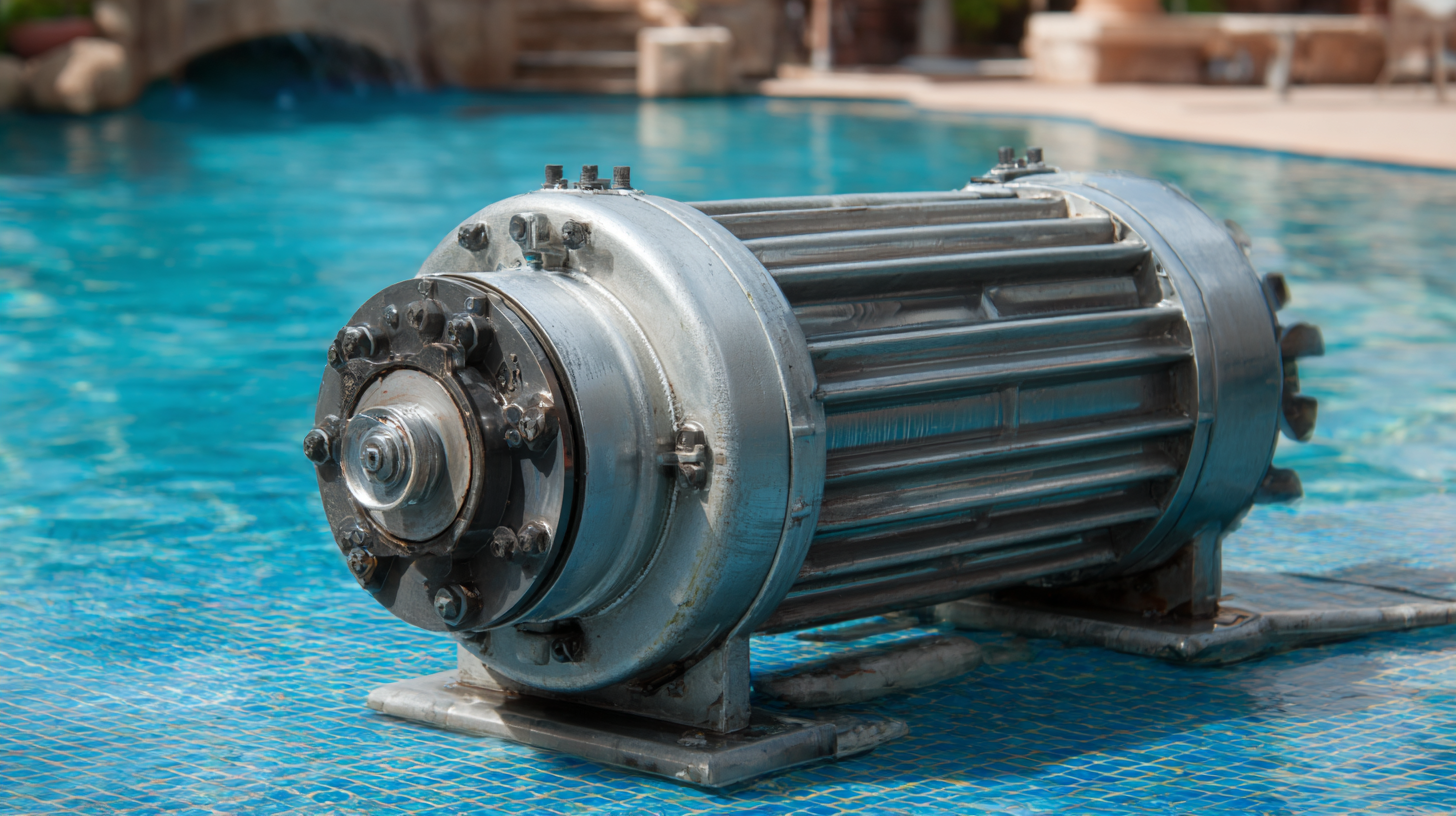
When it comes to effective pool motor repair, having the right tools and equipment is crucial for ensuring both efficiency and long-term success. Essential tools often include a multimeter for electrical diagnostics, socket sets for removing motor components, and an adjustable wrench for tight fittings. According to a report by the American Society of Pool and Spa Professionals (ASPSP), using appropriate tools not only enhances repair accuracy but also significantly reduces the time spent on maintenance by up to 30%.
In addition to basic tools, specialized equipment such as bearing pullers and lubrication kits can play a pivotal role in extending motor lifespan. A study published in the Journal of Pool Engineering suggests that regular maintenance with quality lubricants can increase motor longevity by 50%. Furthermore, investing in a reliable torque wrench ensures that all components are secured to manufacturer specifications, preventing early wear and tear. Having these essential tools readily available not only empowers pool technicians but also enhances the overall efficiency of motor repair processes.
Top 10 Tips for Effective Pool Motor Repair to Extend Lifespan
| Tip Number |
Tip |
Essential Tools |
Frequency of Use |
| 1 |
Regularly Check Motor Bearings |
Bearing Puller, Lubricant |
Monthly |
| 2 |
Inspect and Clean Impeller |
Screwdriver, Cleaning Brush |
Biannually |
| 3 |
Replace Worn Seals |
Sealant, Replacement Seals |
Annually |
| 4 |
Check Electrical Connections |
Multimeter, Screwdriver |
Monthly |
| 5 |
Monitor Motor Temperature |
Infrared Thermometer |
Monthly |
| 6 |
Ensure Proper Ventilation |
None |
Always |
| 7 |
Test GFCI Breakers |
Test Plug |
Monthly |
| 8 |
Inspect for Leaks |
Leak Detector, Wrench |
Quarterly |
| 9 |
Clean Pool Filters Regularly |
Filter Cleaner, Hose |
Weekly |
| 10 |
Follow Manufacturer's Guidelines |
Owner's Manual |
Annually |
Step-by-Step Guide to Troubleshooting Pool Motor Problems
When troubleshooting pool motor problems, the first step is to conduct a thorough visual inspection. Look for any obvious signs of wear or damage, such as frayed wires, corroded connections, or loose components. Ensure that the motor is properly connected to the power supply and that there are no blown fuses. Checking for any unusual noises during operation can also provide clues about underlying issues, as excessive noise might indicate problems with bearings or internal components.
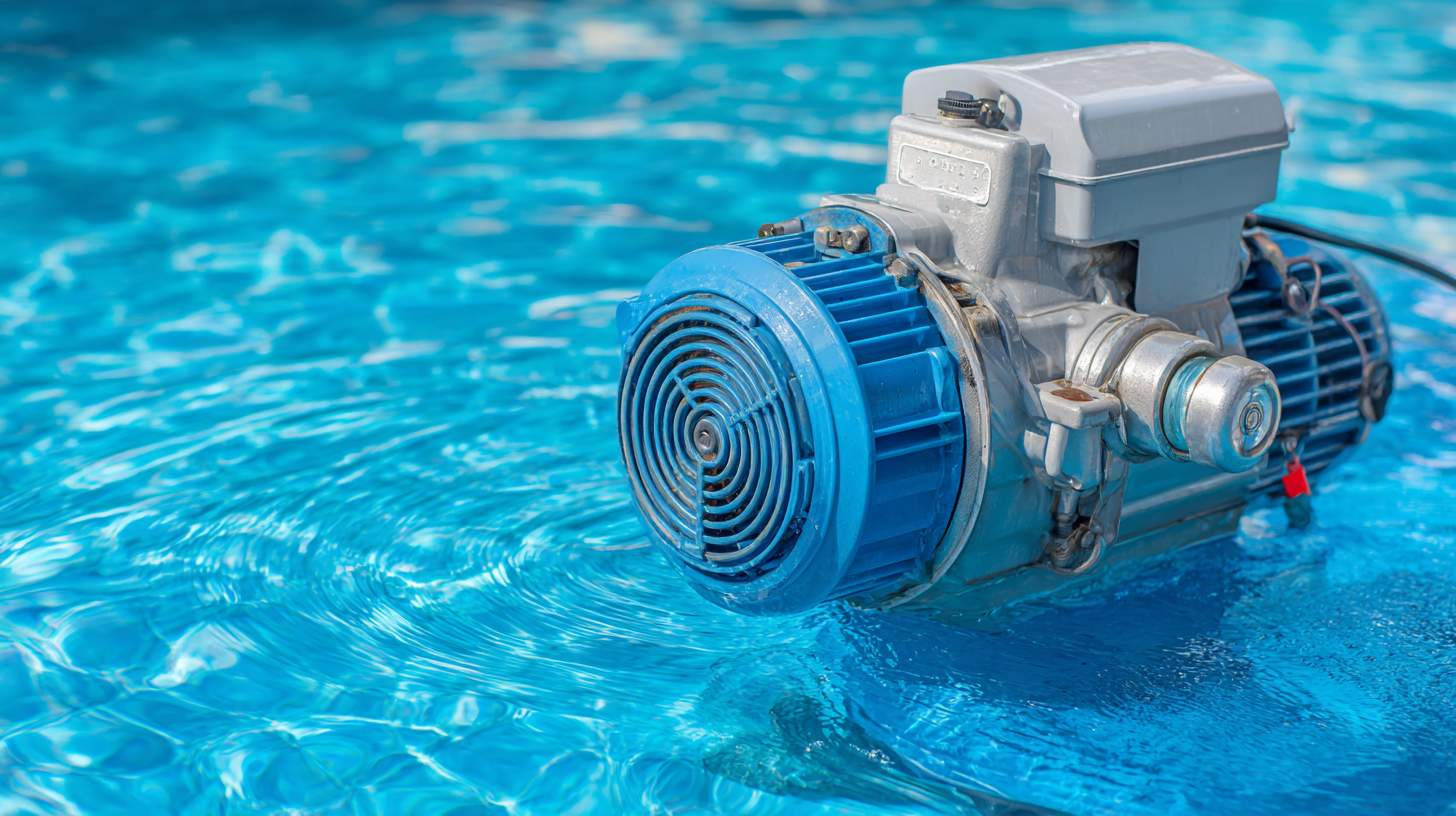
After the visual check, proceed with testing the motor's electrical components. Use a multimeter to measure voltage at the motor terminals, confirming that it matches the specifications. If the motor doesn’t start, this might point to a faulty capacitor or a malfunctioning switch. Additionally, inspect the impeller and housing for blockages or accumulation of debris, as this can hinder the motor's performance. By systematically addressing each potential issue, you can effectively identify the root cause of the problem and take appropriate action to repair and maintain your pool motor.
Preventive Maintenance Tips to Enhance Pool Motor Longevity
Pool motors are vital components of a swimming pool system, and their longevity can significantly impact pool maintenance costs. According to the Pool & Hot Tub Alliance, regular preventive maintenance can extend a pool motor's lifespan by up to 50%. One essential tip for enhancing longevity is to ensure proper lubrication of motor components.
Motors that are inadequately lubricated can experience increased friction, leading to overheating and premature failure. Regularly check and replace grease in bearings to keep motors running smoothly.
Another crucial aspect of preventive maintenance involves monitoring the electrical connections and components. A report by the Consumer Product Safety Commission (CPSC) indicates that electrical failures are a leading cause of pool motor breakdowns. Ensuring that all electrical connections are secure and free of corrosion can prevent unnecessary power surges, which often result in motor damage. Additionally, inspecting and cleaning the cooling fans and other ventilation outlets can help prevent the motor from overheating, which is vital for optimal performance and durability. Integrating these preventive measures can lead not only to enhanced motor longevity but also to a safer pool environment.
How to Choose the Right Replacement Parts for Pool Motors
When it comes to extending the lifespan of your pool motor, selecting the right replacement parts is crucial. First and foremost, always check the specifications of your current motor. Look for the model number and any information about the required voltage and phase. Using components that match these specifications ensures compatibility and optimal performance.
One important tip to keep in mind is to invest in high-quality parts. While cheaper alternatives may save you money upfront, they often lead to more significant issues down the line. Quality parts tend to offer better durability and can save you from frequent repairs. Additionally, don’t overlook the importance of warranty coverage. Parts with solid warranties can provide peace of mind, demonstrating their manufacturer’s confidence in the product.
Regular maintenance and timely part replacement can significantly boost your pool motor's efficiency. Monitor wear and tear diligently and replace parts such as bearings and seals as needed. By attending to these small details, you will not only prolong the lifespan of your pool motor but also enhance its overall efficiency and reliability.
Pool Motor Lifespan Compared to Maintenance Practices