10 Essential Tips for Choosing Swimming Pool Pumps and Motors
Choosing the right swimming pool pumps and motors is crucial for optimal performance. A well-selected pump can enhance water circulation and improve filtration efficiency. It directly impacts the overall maintenance of your pool.
Consider the size and type of your pool when selecting pumps and motors. There are various models available, each designed for specific requirements. Efficiency matters, too. An energy-efficient motor may have a higher upfront cost but saves money in the long run.
Look for features like noise levels and durability. A noisy pump can be quite bothersome. Conversely, a poorly made motor may break down too soon, causing inconveniences. Take time to research and compare options. Finding the best swimming pool pumps and motors requires effort, but the right choice can make a significant difference in your pool experience.
Understanding the Role of Swimming Pool Pumps and Motors
When choosing swimming pool pumps and motors, understanding their role is vital. These components circulate water, filter contaminants, and maintain chemical balance. According to the Association of Pool and Spa Professionals, proper circulation is crucial. It helps prevent algae growth and keeps water safe.
Most pools require pumps that can handle a flow rate between 30 to 60 gallons per minute. However, many violate this rule. They either oversize or undersize their pumps. It leads to inefficiencies. A pump that's too powerful can waste energy. Conversely, one that's too weak may not filter effectively.
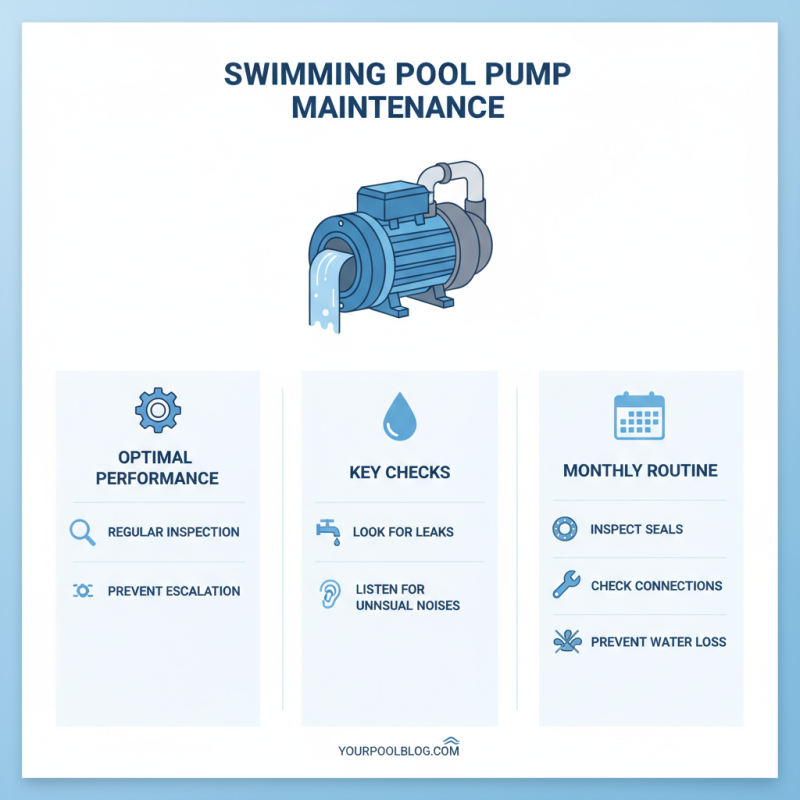
Motor efficiency is also essential. High-efficiency motors can save up to 30% more energy compared to standard models. Not all consumers realize this potential for savings. Often, the upfront cost overshadows long-term benefits. Additionally, maintenance is frequently overlooked. Regular maintenance can prolong the life of pumps and motors. Cheaper choices might seem appealing, but they often result in higher costs over time. Making informed decisions is crucial for efficient pool management.
Key Factors to Consider for Selecting the Right Pump Size
When selecting the right pump size for your swimming pool, consider a few key factors. The size of your pool is the most important element. Measure its length, width, and depth. Compute the pool's volume in gallons. This will help you determine the required pump capacity.
Next, think about the pool's usage. A family pool requires a different pump than a competition pool. Higher traffic means you'll need more power. The turnover rate also matters. Aim for a pump that can circulate the entire pool volume in about eight hours.
Additionally, evaluate the plumbing layout. If the distance between your pool and pump is long, you may need a more powerful motor. Remember, energy efficiency is crucial. A pump that's too powerful can waste energy. It may seem like a great choice now, but reevaluate if it fits your needs in the long run. Always ponder on these aspects before making a decision.
10 Essential Tips for Choosing Swimming Pool Pumps and Motors - Key Factors to Consider for Selecting the Right Pump Size
| Factor |
Description |
Recommended Size |
| Pump Flow Rate |
Choose a pump with a flow rate suitable for your pool size. |
30-60 GPM |
| Pump Type |
Decide between single speed, dual speed, or variable speed pumps. |
Variable Speed Recommended |
| Energy Efficiency |
Look for energy-efficient models to save on electricity bills. |
High Efficiency Rating |
| Noise Level |
Consider the noise produced during operation, especially in residential areas. |
Low Decibel Levels |
| Durability |
Choose materials that withstand harsh pool conditions. |
Corrosion-Resistant |
| Maintenance |
Look for pumps with easy maintenance access. |
User-Friendly Design |
| Head Height |
Measure the vertical height from the pump to the highest point in the system. |
10-20 Feet |
| Pump Size |
Select the appropriate pump size based on your pool volume. |
1-2 HP |
| Warranty & Support |
Check warranty terms and availability of support services. |
2-5 Years |
| Budget |
Establish a budget that accommodates initial and ongoing costs. |
$300-$800 |
Evaluating Energy Efficiency Ratings for Pool Pumps
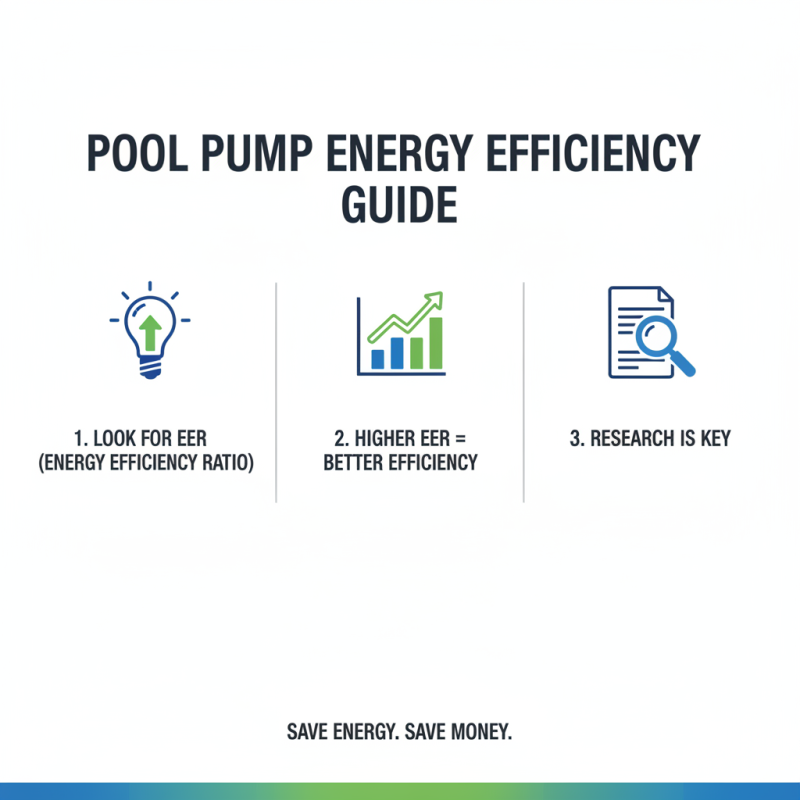
When evaluating energy efficiency ratings for pool pumps, several factors come into play. Look for the Energy Efficiency Ratio (EER). A higher EER means better efficiency. However, not all models display this number clearly. It's worth requiring a bit of research before making a decision.
Consider the type of motor as well. Variable speed motors may cost more upfront. Yet, they often save money in the long run. They can adjust to your pool's needs, providing energy savings. But will this complicated technology suit your needs? Keep that in mind.
Always check for additional certifications. Some pumps meet ENERGY STAR standards. These products guarantee a level of efficiency. But remember, not every efficient pump will work for every pool. Take time to evaluate your specific situation. An informed choice is vital for energy savings.
Exploring Different Types of Swimming Pool Pumps
When it comes to swimming pool pumps, understanding the different types available is crucial. There are three main types:
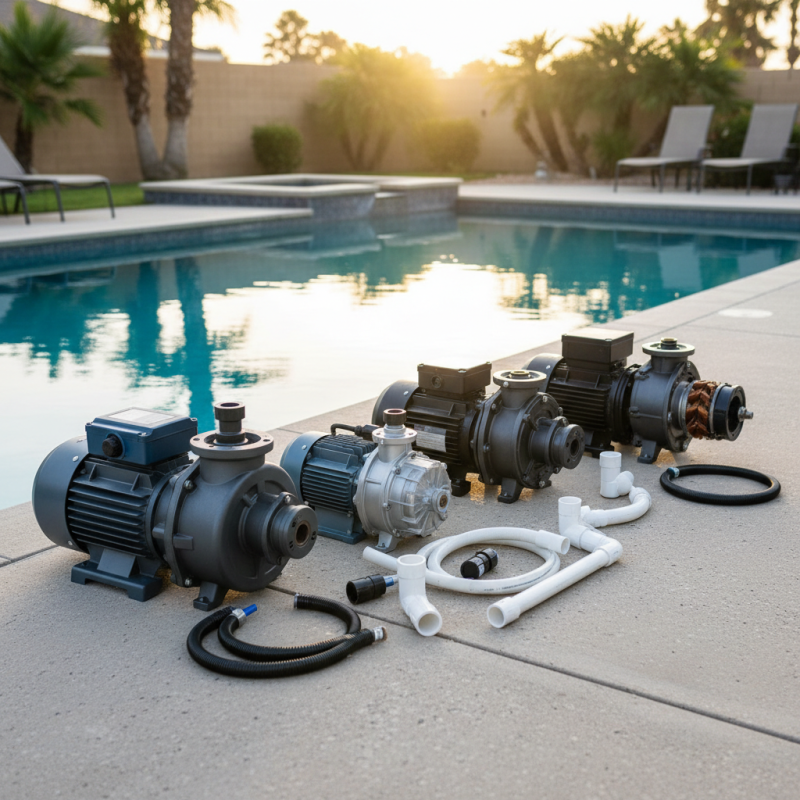
centrifugal, positive displacement, and self-priming pumps.
Centrifugal pumps are the most common choice. They work efficiently and provide a steady flow of water.
Positive displacement pumps generate pressure by trapping water in a chamber and forcing it out. They are less common but can be useful for specific applications.
Self-priming pumps deserve attention too. They can draw water from a lower level, making them ideal for above-ground pools. However, they may require more maintenance. Each type has its pros and cons. A centrifugal pump is easier to find, but it might not be the best option for every pool. Positive displacement pumps can be powerful, but their installation is complex. It's vital to evaluate what suits your specific needs.
Don’t overlook the importance of pump size and efficiency. A pump that is too large can waste energy. Conversely, a pump that is too small may not keep the pool clean. This balance can be tricky, and many owners can overlook it. Reflect on your pool size, usage, and budget before making a decision. Factors like energy costs and maintenance should not be taken lightly.