
10 Tips for Choosing Stylish High Heels
Choosing Stylish High Heels involves more than matching a dress or following seasonal trends. Experienced shoppers understand that elegant shoes must also support natural movement. A narrow toe box, unstable heel, or stiff upper can quickly turn confidence into discomfort. This guide presents ten practical tips for finding heels that look polished and feel dependable. Small details matter.
Foot shape, heel height, sole cushioning, and fastening design all deserve careful attention. Measure both feet, since one may be slightly larger. Try shoes later in the day, when feet often swell naturally. Walk across a hard floor and notice pressure beneath the toes, arch, and heel. A secure fit should feel supportive, not restrictive. Beauty alone is not enough.
Material quality can reveal much about a shoe’s expected performance. Soft leather or carefully finished fabric may adapt better than rigid, poorly constructed surfaces. Examine stitching, heel alignment, and the connection between the sole and upper. Professional fitting guidance can help, although personal comfort remains essential. Even trusted advice cannot replace an honest test walk. Some choices may still disappoint.
Style also depends on context. A slim stiletto may suit an evening event, while a block heel can offer greater stability during long hours. Consider clothing, weather, flooring, and walking distance before purchasing. Practical elegance often lasts longer than impulse buying. These tips encourage thoughtful decisions, while acknowledging that no single pair suits every foot, outfit, or occasion.
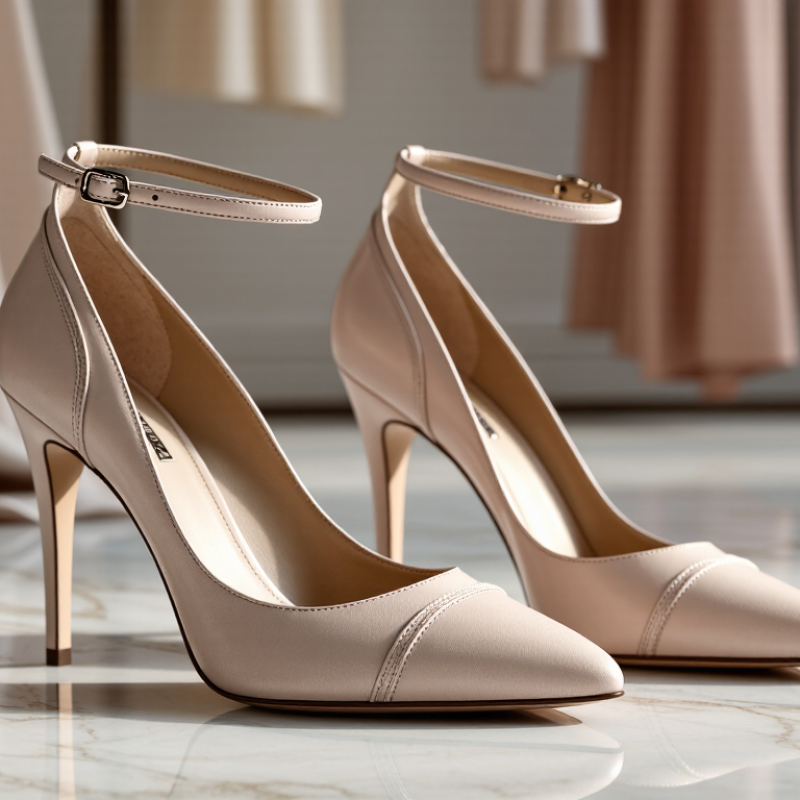
Assess Your Foot Shape and Heel-Wearing Needs
10 Tips for Choosing Stylish High Heels
Assess your foot shape before judging a heel’s appearance. Wide forefeet need enough room across the toes. Narrow heels often slip in pointed shoes. Check for bunions, high arches, flat arches, or uneven toe lengths. These details affect comfort and stability. A reliable fitting approach considers both shape and movement. Tip: Trace your foot on paper, then compare its width with the shoe’s inner space.
Your heel-wearing needs matter just as much. A two-hour dinner allows different choices than an eight-hour workday. For longer wear, select a lower heel, a broader base, and secure straps. Platforms may reduce the angle between your heel and forefoot. Walk on a hard floor before buying. Notice pressure under the ball of your foot. I once chose a beautiful, narrow pair for an event. My toes went numb within an hour. That mistake still shapes my advice. Tip: Test each pair late in the day, when feet are slightly swollen.
Style should support your real routine, not an imagined one. If you commute by foot, flexible soles and padded interiors can help. If you need extra balance, avoid unstable, sharply tapered heels. Try sitting, standing, and climbing a few steps. Keep the shoes if they feel supportive, not merely attractive. A small discomfort can become a larger problem. Tip: Leave a thumb’s width in front of your longest toe, but check that your heel does not slide.
| Tip | Assessment Area | What to Look For | Recommended Heel or Feature | Best Use |
|---|---|---|---|---|
| 1 | Identify your forefoot shape | Check whether your toes feel naturally spread, tapered, or crowded when standing. | Choose a rounded or almond-shaped toe box when your forefoot needs more room; avoid visibly compressive pointed fronts. | Everyday wear and extended events |
| 2 | Measure both feet | Feet can differ in length or width, and they may swell during the day. | Measure late in the day and fit the larger foot; use adjustable straps or removable inserts for minor differences. | Shopping for a precise fit |
| 3 | Consider arch comfort | A shoe should support the arch without creating pressure or leaving a large unsupported gap. | Look for a contoured insole, stable shank, and cushioning under the forefoot and heel. | Workdays and standing occasions |
| 4 | Match heel height to your routine | Higher heels increase the forward load on the forefoot and may reduce walking stability. | Select a lower or moderate heel for frequent walking; reserve very high heels for shorter periods. | Commuting, events, and daily activities |
| 5 | Prioritize stability | A narrow heel requires more balance, while a wider base generally offers better support. | Choose a block heel, wedge, or flared heel when stability matters more than maximum height. | Outdoor venues and long periods on your feet |
| 6 | Check ankle security | Your heel should not slip excessively, and your foot should not slide forward inside the shoe. | Select an adjustable ankle strap, slingback with a secure strap, or a well-fitted closed heel. | Walking, dancing, and active social events |
| 7 | Accommodate wide or narrow feet | Pressure at the sides indicates insufficient width; excess movement may indicate an overly spacious fit. | Use width-specific sizing where available; adjustable panels can help fine-tune the fit. | Improving fit and reducing friction |
| 8 | Select materials carefully | Rigid materials may need a break-in period, while flexible uppers can adapt more readily to foot movement. | Choose a flexible, breathable upper and a smooth interior; avoid seams placed directly over sensitive areas. | Warm weather and repeated wear |
| 9 | Test the complete fit | Walk, stand, and climb a few steps before purchasing; discomfort should not be dismissed as normal. | Check toe clearance, heel hold, balance, and pressure points while wearing the type of hosiery you plan to use. | Avoiding returns and preventable discomfort |
| 10 | Plan rotation and recovery | Wearing the same high heels continuously can increase fatigue and repeated pressure in the same areas. | Rotate heel heights and styles, use supportive flats when practical, and allow shoes to dry between wears. | Maintaining comfort across a busy schedule |
