2026 How to Choose the Best Electric Pool Pumps for Your Needs?
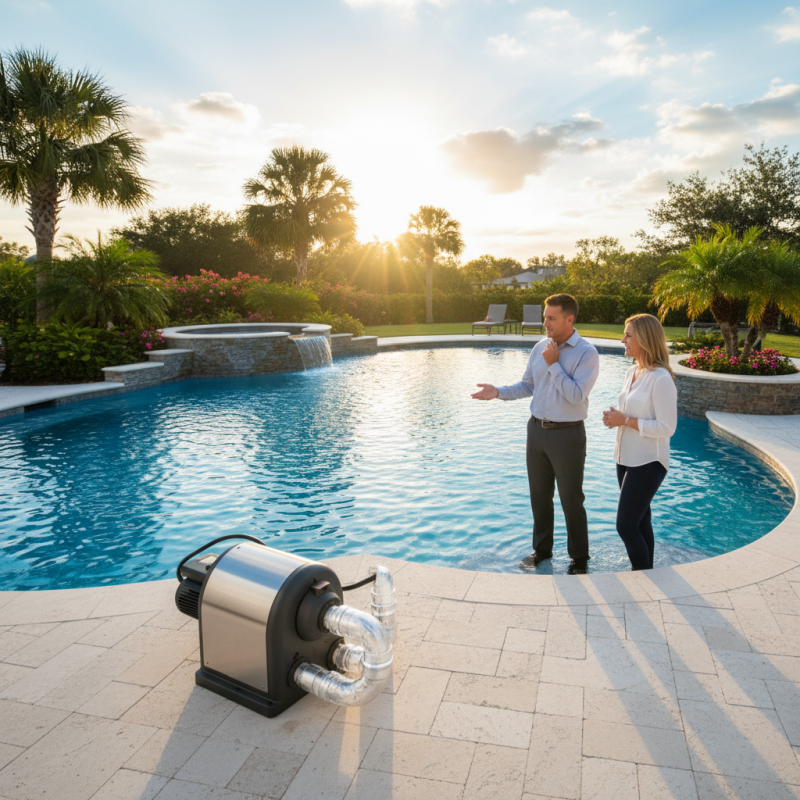
Choosing electric pool pumps can be a daunting task. With so many options, making the right decision is crucial. Industry expert, John Smith, emphasizes, “Understanding your pool’s needs is key to selecting the best pump.” This perspective is essential, as different pools have different requirements.
When considering electric pool pumps, efficiency is important. A pump that operates smoothly will save on energy costs. Look for models that are highly rated for energy efficiency. Reliability is also vital. A pump should consistently perform well in varying conditions. Having a trusted brand can drastically influence the lifespan of your equipment.
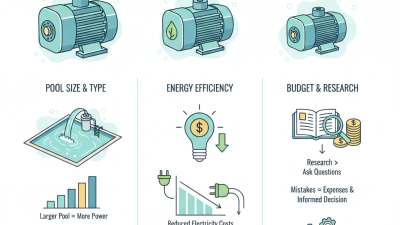
It’s worth noting that not every high-rated pump works for everyone. Some pool owners find that their pumps are noisy or less efficient than expected. This highlights the importance of personal research. Assess your pool size and water features. Remember, the right electric pool pump enhances your pool experience, but it requires thoughtful consideration.
Understanding Electric Pool Pumps: Types and Functions
Electric pool pumps are crucial for maintaining clean and safe swimming environments. They efficiently circulate water, ensuring proper filtration and chemical distribution. Understanding the different types of electric pool pumps helps in selecting the best one for your pool needs.
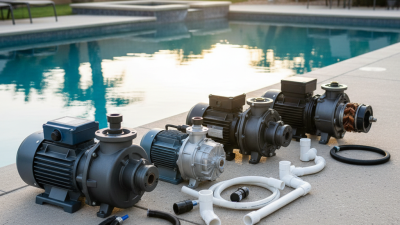
There are mainly three types of electric pool pumps: single-speed, dual-speed, and variable-speed pumps. Single-speed pumps operate at a fixed speed, making them simple but less energy-efficient. Dual-speed pumps offer two operational speeds, allowing users to save energy during low-demand periods. Variable-speed pumps are the most versatile, with adjustable speeds that optimize energy use. Each type has its advantages and drawbacks, depending on your pool size and usage patterns.
Choosing the right pump involves a trade-off between energy efficiency and upfront cost. Many homeowners may find variable-speed pumps expensive initially. However, they offer long-term savings on electricity bills. Reflect on your swimming habits and maintenance requirements. Investing time in learning about pumps can enhance your pool experience significantly.
Key Factors to Consider When Selecting an Electric Pool Pump
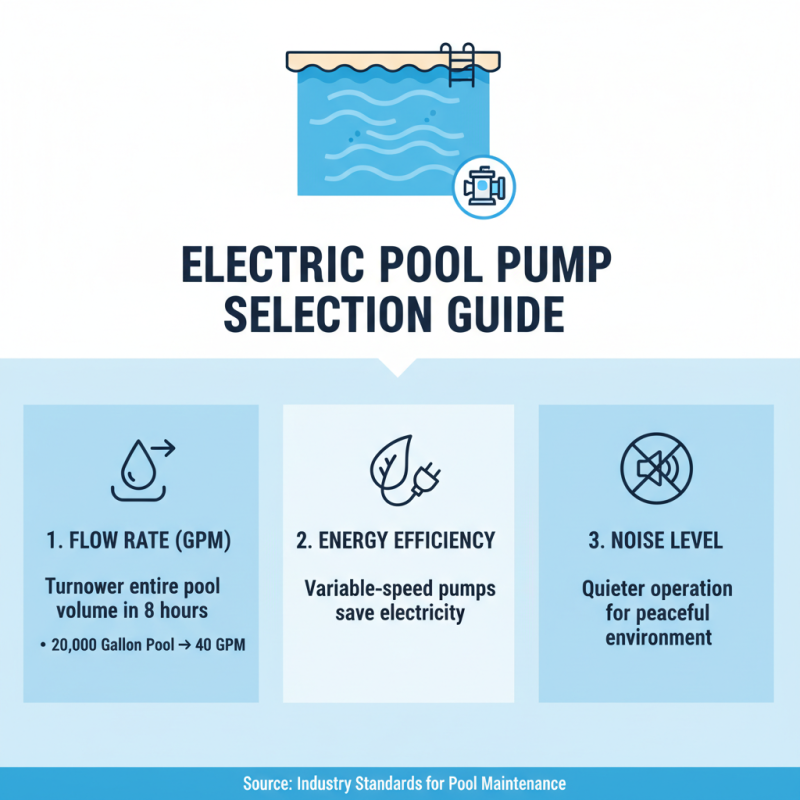
Choosing the right electric pool pump is crucial for efficient pool maintenance. Start by considering the pump's flow rate. Industry standards suggest that a pool pump should turn over the entire pool water volume within eight hours. For a standard 20,000-gallon pool, that means a pump with a flow rate of around 40 GPM (gallons per minute).
Next, energy efficiency is critical. According to the U.S. Department of Energy, pool pumps can represent up to 20% of residential energy costs. Selecting a pump with a variable speed capability can reduce energy consumption drastically. Research shows that these pumps can operate at various speeds based on the task, enhancing efficiency and longevity.
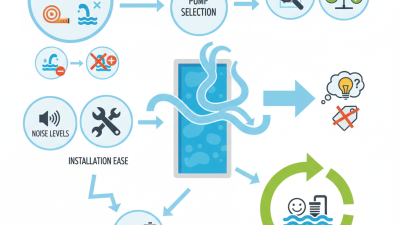
Additionally, noise level matters. Many homeowners overlook how noise impacts their experience. Models vary significantly, with some operating at 60 dB, similar to a normal conversation. Choose a pump designed for quieter operation to enhance your pool enjoyment. Finally, consider the installation process. Complexity can lead to mistakes or inefficient operation. Seek professional advice when necessary to ensure compliance with local regulations.
Evaluating Energy Efficiency and Cost of Electric Pool Pumps
When selecting an electric pool pump, energy efficiency is crucial. According to the Department of Energy, pool pumps use 30% of the total energy consumed by residential pools. This makes it essential to choose a pump with a high Energy Efficiency Ratio (EER). A pump that runs efficiently will save you money in the long run. Energy-efficient models can reduce your electricity costs significantly, often by hundreds of dollars each year.
Cost is another important factor in selecting the right pump. Initial prices may vary widely. While cheaper pumps seem appealing, they may not last as long or perform as well. Over time, this can lead to higher operational costs and increased maintenance needs. Industry reports suggest investing in a reliable model can save you money over its lifetime. Not all models suit every pool type, which demands careful consideration. Balancing upfront costs with long-term energy savings requires thoughtful planning.
Another aspect to evaluate is the desired flow rate. This directly impacts both energy use and costs. The ideal flow rate should match your pool's size and usage. Too much flow can lead to excessive energy consumption. Conversely, too little may result in poor circulation. Finding the sweet spot requires a careful assessment of your pool's requirements. Always consider local utility rates, as they influence overall cost efficiency.
Maintenance Tips for Optimal Performance of Your Pool Pump
Maintaining your electric pool pump is essential for optimal performance. Regular upkeep can prevent costly repairs and enhance your pool's cleanliness. Here are some tips to help you keep your pump running smoothly.
Clean the pump strainer regularly. Debris can block the strainer, reducing efficiency. Check it weekly. If left too long, clogs can lead to overheating. Remember, a clean pump is a happy pump.
Monitor the water level. Low water can cause the pump to run dry. This can damage the motor and impeller. Keep your pool filled to the appropriate level. Consider adjusting your pump’s run time during rainy or debris-heavy seasons.
Examine the pump for leaks or unusual noises. A small leak today can turn into a big problem tomorrow. Strange sounds may indicate wear. Addressing these issues promptly can save you time and money in the long run.
Comparing Features and Brands of Electric Pool Pumps on the Market
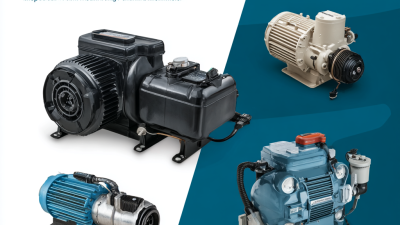
When selecting the best electric pool pumps, features matter greatly. Energy efficiency is crucial. Look for pumps with variable speed options. They can save you money on your utility bills. Noise level also affects your experience. A quieter pump can make a more serene pool environment. Don’t overlook the importance of build quality. A durable pump will last longer and require less maintenance.
Here are some tips to help in your selection. Pay attention to the flow rate. The ideal flow rate depends on your pool size. A pump should filter the entire pool water in about eight hours. Additionally, consider the warranty. A longer warranty often indicates a manufacturer’s confidence in their product.
Brands vary in their customer service quality. Research online reviews and ratings. They can provide insights into real user experiences. This can help in making an informed decision. It’s also helpful to consult pool professionals. They can offer recommendations based on your pool type. Remember, each pool has unique needs. What works for one might not work for another.
2026 How to Choose the Best Electric Pool Pumps for Your Needs?
| Pump Model |
Power (HP) |
Flow Rate (GPM) |
Energy Efficiency Rating |
Noise Level (dB) |
Warranty (Years) |
| Model A |
1.5 |
50 |
ENERGY STAR |
55 |
2 |
| Model B |
2.0 |
75 |
High Efficiency |
60 |
3 |
| Model C |
1.0 |
40 |
Standard |
65 |
1 |
| Model D |
2.5 |
85 |
Premium Efficiency |
50 |
4 |