What is a New Pool and How to Choose the Best One for Your Home
When considering the installation of a new pool, understanding the various options available and making an informed decision is essential for homeowners. The global swimming pool market has experienced significant growth, with estimates projecting a rise from USD 4.6 billion in 2020 to approximately USD 6.5 billion by 2026, according to industry reports. This surge in interest highlights the increasing appeal of outdoor leisure spaces, offering not only aesthetics but also enhancing property value and personal wellness.
Choosing the best new pool for your home involves evaluating key factors such as design, materials, size, and budget. A recent study indicated that around 50% of homeowners who invest in a new pool prioritize energy efficiency and sustainability features. Additionally, the Barometer of Homeowner Satisfaction reported that backyards with swimming pools can yield up to a 15% increase in home value, making the decision to install a new pool not only a lifestyle choice but also a strategic investment. As the landscape of pool ownership continues to evolve, it's crucial for potential buyers to stay informed about the latest trends and options that align with their needs and preferences.
Understanding the Concept of a New Pool: Definition and Types
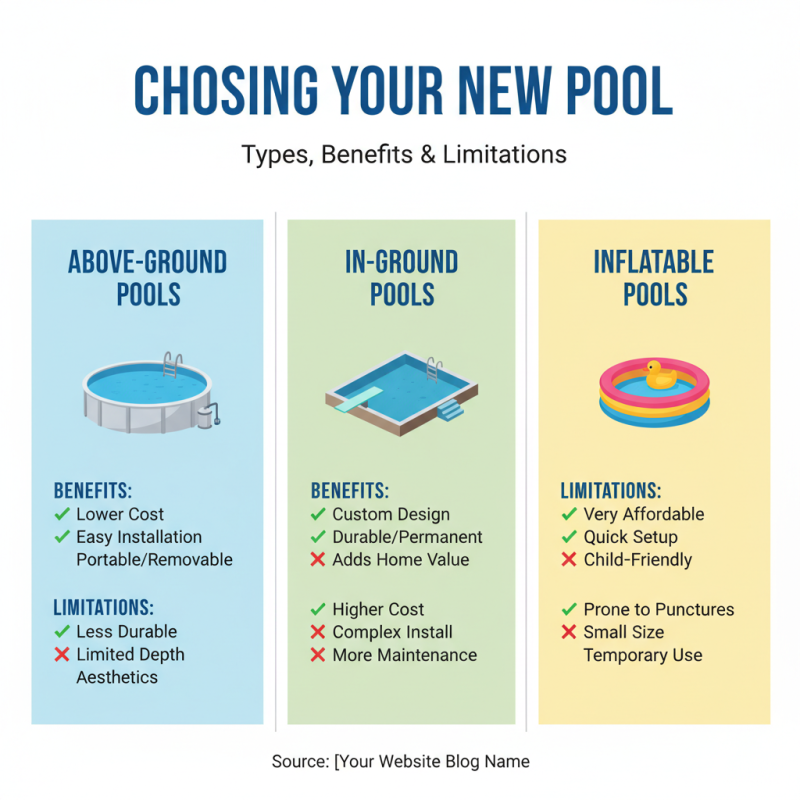
When considering a new pool for your home, understanding the different types available is crucial. A new pool generally refers to a swimming area that has been recently constructed or is planned for installation. The most common types of pools include above-ground pools, in-ground pools, and inflatable pools, each offering distinct advantages and limitations depending on your space, budget, and intended use.
Above-ground pools are popular for their affordability and ease of installation. They are typically made from vinyl or metal and can be taken down or relocated if needed. In contrast, in-ground pools are more permanent structures, usually built with concrete, fiberglass, or vinyl-liner systems, providing a more customized and aesthetically pleasing option for homeowners looking for a luxurious backyard feature. Inflatable pools are a temporary solution, ideal for those who want a quick setup without the long-term commitment, making them perfect for seasonal enjoyment.
Each type of pool caters to different needs and preferences. Factors such as available space, cost considerations, safety features, and maintenance requirements should play a key role in your decision-making process. By understanding the various pool types and their characteristics, homeowners can make informed choices that best fit their lifestyles and outdoor environments.
Key Considerations When Choosing a Pool: Size, Shape, and Depth
When considering a new pool for your home, it's essential to focus on key aspects like size, shape, and depth. The right dimensions not only enhance your outdoor space but also influence usability and maintenance. According to a report by the Association of Pool & Spa Professionals, 50% of pool owners prefer a rectangular shape due to its versatility, making it suitable for activities like swimming laps, while 40% opt for freeform pool designs for a more natural look that complements landscaping.
Size is another critical factor; a larger pool may offer more recreational opportunities but can incur higher maintenance costs and require more chemicals. The average residential pool size ranges from 14 to 20 feet wide and approximately 28 to 40 feet long. Depth, on the other hand, plays a vital role in the pool's functionality. Most residential pools typically have a shallow end of 3 to 5 feet, making it safer for children and casual swimmers, while the deep end can extend to 8 feet for diving and other water activities.
Tips: When choosing your pool, consider the primary activities you want to enjoy—be it swimming, entertaining, or just relaxing. For families with young children, a pool with a gradual slope can reduce risks associated with sudden depth changes. Additionally, don’t forget to think about your local climate and how it might affect your pool's usage throughout the year; opting for a deeper pool may help maintain cooler water temperatures in hot summers.
Materials and Construction: Comparing Concrete, Vinyl, and Fiberglass Pools
When considering a new pool for your home, the choice of materials is a critical factor that can significantly influence both aesthetics and maintenance. Concrete pools are known for their durability and flexibility in design. They can be shaped to fit any space and custom-finished with plaster, tiles, or aggregates. However, the initial cost of installation is typically higher, and they require regular maintenance, including resurfacing every few years to address wear and tear.
Vinyl pools, on the other hand, offer a budget-friendly alternative with a smooth, non-abrasive surface that is easier on the skin. They come in pre-fabricated shapes and are custom-lined with vinyl, allowing for various designs. While they are generally less expensive to install than concrete pools, the vinyl liner requires replacement every 5-9 years, which could add to long-term costs. Additionally, they may be more susceptible to punctures and damage from sharp objects.
Fiberglass pools present a hybrid solution that combines the advantages of both materials. With a smooth and easy-to-clean surface, fiberglass pools are pre-molded, requiring less time for installation compared to concrete. The strength of the fiberglass also means they are resistant to cracks, while their longevity helps offset the higher initial investment. However, design options are limited to the shapes and sizes available in the market. Each material has its unique benefits and drawbacks, making it essential to assess your personal preferences, budget, and long-term maintenance plans before making a decision.
What is a New Pool and How to Choose the Best One for Your Home - Materials and Construction: Comparing Concrete, Vinyl, and Fiberglass Pools
| Pool Type |
Initial Cost ($) |
Lifespan (Years) |
Maintenance Cost / Year ($) |
Installation Time (Weeks) |
Customization Options |
| Concrete |
30,000 - 60,000 |
50+ |
1,200 - 1,800 |
3 - 12 |
High |
| Vinyl |
25,000 - 50,000 |
20 - 30 |
800 - 1,200 |
2 - 8 |
Moderate |
| Fiberglass |
20,000 - 40,000 |
30 - 50 |
600 - 1,000 |
1 - 6 |
Limited |
Maintenance and Cost Analysis: Budgeting for Installation and Upkeep
When considering the installation of a new pool, it is essential to understand the cost implications associated with both installation and maintenance. The overall budget begins with the initial setup costs, which can vary significantly based on the type and size of the pool. Factors such as excavation, materials, plumbing, and electrical work must all be accounted for in your budget. Additionally, local regulations and permits can add unforeseen costs, so it's crucial to consult with professionals to get accurate estimates tailored to your requirements.
Once your pool is installed, ongoing maintenance costs also come into play. Regular upkeep, which includes cleaning, chemical balancing, and equipment maintenance, contributes to the overall expenditure. Homeowners should also consider seasonal costs, such as winterization or additional heating during colder months, as well as the impact of water usage on utility bills. By thoroughly assessing both the initial and ongoing costs, homeowners can effectively budget for their new pool, ensuring that it remains a source of enjoyment without causing financial strain.
New Pool Installation and Maintenance Cost Analysis
Benefits of Installing a Pool: Impact on Property Value and Lifestyle
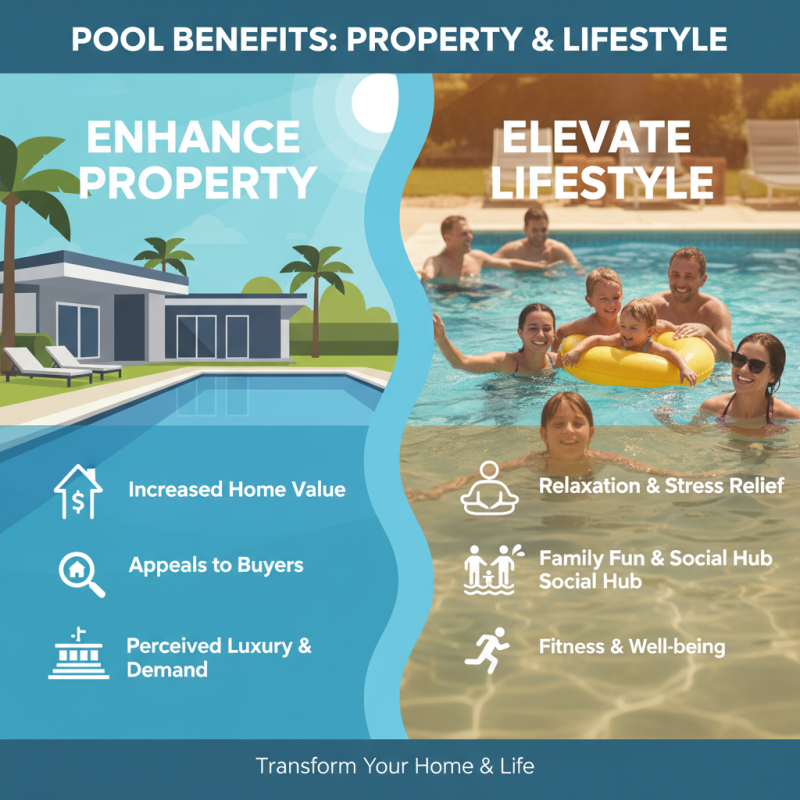
Installing a pool can bring numerous benefits that significantly enhance both property value and lifestyle. From an aesthetic perspective, a well-designed pool can transform an ordinary backyard into an inviting oasis that attracts potential buyers if you decide to sell your home. Many prospective homebuyers view a pool as a desirable feature, often associating it with luxury and relaxation. This can lead to an increased demand for your property, potentially raising its market value significantly.
On the lifestyle front, having a pool offers endless opportunities for recreation and quality time with family and friends. It encourages an active lifestyle through swimming and outdoor activities, making it easier to stay fit and enjoy the warm weather. Additionally, a pool serves as a social hub, providing a perfect setting for gatherings, barbecues, and celebrations. The convenience of having a private swimming space enables a relaxed atmosphere and promotes bonding moments, creating cherished memories for years to come. Overall, the impact of installing a pool goes beyond mere aesthetics, enhancing both the enjoyment of your home and its long-term value.