7 Steel Slotted Tips for Global Buyers
Buying Steel Slotted components across borders looks simple until a shipment reaches the inspection table. A drawing may show a clean slot, yet omit width tolerance, edge condition, or plating thickness. These details affect assembly, tool fit, corrosion resistance, and long-term maintenance. This guide shares practical lessons for global buyers evaluating Steel Slotted products from unfamiliar suppliers. The advice comes from common purchasing and inspection situations, not assumptions based on catalog images. A bright finish can hide weak steel. That mistake is expensive. Buyers should compare grade certificates, dimensional reports, production samples, and photographs taken before packing. They should also confirm whether measurements follow millimeters, inches, or a supplier’s internal convention. Small differences can stop an automated line. Ask clear questions early.
The seven tips focus on specifications, material verification, slot geometry, surface treatment, supplier capability, packaging, and documentation. Each area deserves evidence. Request a sample with the same steel grade, slot length, hole spacing, and finish as the planned order. Check burrs by touch, but use calibrated gauges for acceptance decisions. A supplier may promise tight tolerances without showing process data. That is a warning, not proof of poor quality. It means more verification is needed. Global purchasing also requires attention to export packing, labeling, traceability, and consistent communication. A wooden crate may look secure while allowing moisture inside. Photos help, but they cannot replace inspection. No checklist is flawless. Some recommendations may need adjustment for your industry, destination, and installation method. Still, disciplined questions and recorded checks can reduce surprises, protect budgets, and support dependable sourcing.
Understanding Steel Slotted Tips and Their Common Applications
Steel slotted tips are simple tools, but their performance depends on precise selection. They usually fit straight-groove screws used in machinery, electrical panels, furniture, cabinets, and general maintenance. The tip width should match the screw slot closely. A narrow tip can damage the groove, while an oversized tip may not enter fully. Thickness matters too. It should fill the slot without forcing the screw head apart.
Choose hardened steel for repeated workshop use. Check the working edge before every job. A rounded or chipped tip can slip suddenly. Keep the tool aligned with the screw axis. This reduces cam-out and protects nearby surfaces. Apply steady pressure, then increase torque gradually. Do not use a slotted tip as a pry bar or chisel. It may appear strong. It is not designed for that abuse.
Corrosion resistance becomes important in humid storage areas and outdoor maintenance. Wipe the tip after use and store it dry. Light surface discoloration may not affect basic work, but deep rust can weaken the edge. In field servicing, I have found that clean contact often matters more than impressive hardness. One judgment call remains difficult: a slightly worn tip may still work on a loose screw, but replacement is safer for critical assemblies. Test the fit manually before applying force. Small details prevent expensive damage.
Checking Dimensions, Slot Patterns, and Load Requirements
7 Steel Slotted Tips for Global Buyers
Checking Dimensions, Slot Patterns, and Load Requirements
Accurate dimensions prevent costly mismatches during international sourcing. Confirm overall length, outside diameter, wall thickness, and tip geometry. Ask for a dated technical drawing, not only a catalog image. Small gaps matter. A slot that is 1 millimeter wider can change fit and stability.
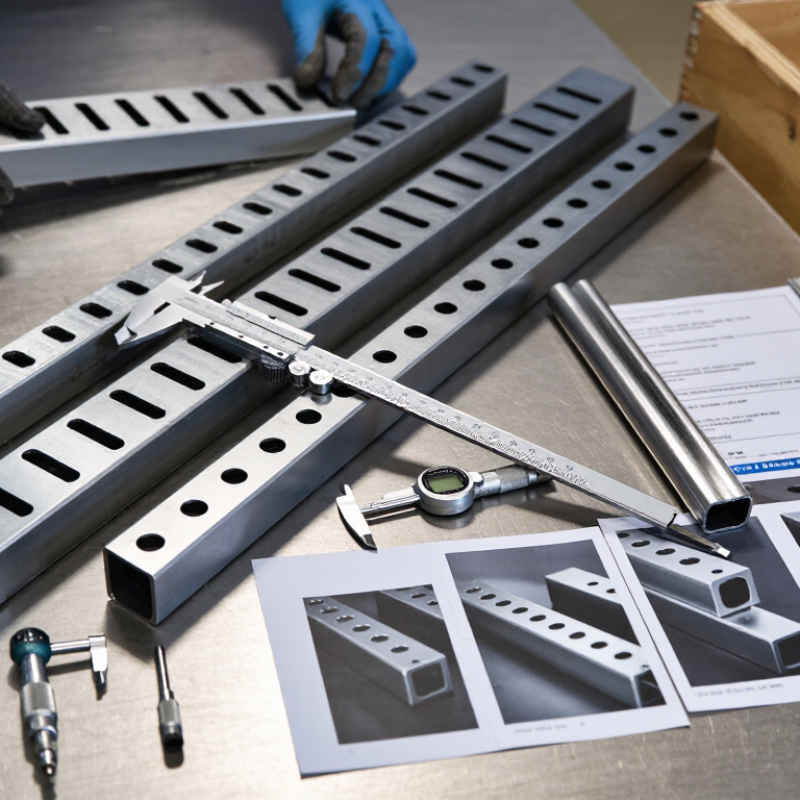
Inspect the slot pattern from several angles. Record slot length, width, spacing, edge distance, and orientation. Check whether slots are centered or offset. This detail affects installation and load distribution. A practical check uses calipers, a steel rule, and a simple go/no-go fixture. Measure twice. Photos with a scale beside the part can support remote approval.
Load requirements need more than a maximum weight figure. Define static load, repeated load, impact, temperature, and mounting direction. Request material grade, heat-treatment information, and inspection results when safety depends on performance. A cautious buyer should also ask how load values were tested. Test conditions may differ from field conditions. That is where many specifications become unclear. I have seen buyers focus on tensile strength while overlooking slot deformation and fastener contact. That approach needs reconsideration. Use a reasonable safety factor, and confirm calculations with a qualified engineer when the application is critical. One missing dimension can delay an entire shipment.
7 Steel Slotted Tips for Global Buyers: Dimensions, Slot Patterns, and Load Requirements
This reference chart compares common slotted-tip configurations using nominal dimensions in millimetres and recommended working loads in kilonewtons. Confirm final dimensions, material grade, safety factor, and certification requirements against the supplier drawing before purchase.
Buyer checklist: compare tip width, slot width, slot length, slot pattern, and working-load requirements. A larger slot or thinner tip section may reduce the available load capacity, while heat-treated steel can support higher loads when properly specified.
Selecting Suitable Steel Grades, Finishes, and Surface Treatments
7 Steel Slotted Tips for Global Buyers
Selecting Suitable Steel Grades, Finishes, and Surface Treatments
In procurement reviews, steel grade is the first practical decision. Choose carbon steel when strength and cost control matter. Choose stainless steel when moisture or frequent cleaning is expected. For salt exposure, higher alloy content may be worth the added cost. Confirm the required hardness, tensile strength, and operating temperature before requesting quotations. A familiar grade is not always suitable.
Finish selection needs equal care. Choose a smooth machined finish where debris could collect in slots. Choose passivation for stainless parts after machining. Choose zinc plating for general corrosion protection in dry or mildly humid environments. Black oxide can improve appearance, but it needs additional oil or sealing. Thin coatings may wear quickly at contact points. They often look better than they perform.
Ask suppliers for coating thickness, adhesion results, and salt-spray data. Request mill certificates and batch traceability for every shipment. Inspect slot width, edge burrs, and coating coverage with calibrated tools. Samples should face the same cleaning chemicals and temperature changes used in service. Packaging also matters; trapped moisture can damage a good finish. I have seen buyers specify a perfect surface, then ignore handling damage. That decision deserves a second look. Check applicable import rules and testing expectations in the destination market before production.
Verifying Quality Standards, Certifications, and Supplier Reliability
7 Steel Slotted Tips for Global Buyers
Verifying Quality Standards, Certifications, and Supplier Reliability
Tip 1: Confirm the exact steel grade, dimensions, slot width, and tolerance on the drawing. “Stainless steel” alone is not a sufficient specification. Tip 2: Request a material test certificate for every heat or batch. Match its heat number with the product marking and packing list. Tip 3: Check whether the supplier’s ISO 9001 certificate covers the manufacturing site and relevant products. The ISO Survey 2023 recorded more than 1.2 million ISO 9001 certificates worldwide, but certification does not guarantee every shipment.
Tip 4: Verify the certificate through the accredited certification body. Check its validity, scope, issue date, and suspension status. Tip 5: Require inspection records for slot size, surface defects, hardness, and corrosion protection. A simple sampling plan should define quantities and acceptance limits. The World Steel Association reported global crude steel production of about 1.89 billion tonnes in 2023, showing the scale of the supply chain and the need for traceability. Tip 6: Test a pre-production sample before approving mass production. Measure it yourself when possible. Small deviations can affect assembly.
Tip 7: Evaluate reliability through evidence, not promises. Review delivery history, corrective-action reports, response times, and backup capacity. Ask for recent inspection photographs with visible batch markings. I have found that clear records often reveal more than polished presentations. A certificate can expire. A supplier can also pass one audit and fail the next. That uncomfortable possibility deserves attention.
Comparing Prices, Minimum Orders, Packaging, and Global Shipping Terms
7 Steel Slotted Tips for Global Buyers
When buying steel slotted tips internationally, compare landed cost, not the factory quote alone. A low unit price can hide tooling, inspection, inland freight, or bank charges. Ask for material grade, dimensions, slot tolerance, surface finish, and test records. Samples matter. A polished sample does not guarantee consistent production. Request at least three samples from separate batches when the order is important.
Minimum order quantity deserves equal attention. A supplier may quote 500 pieces, while your packaging or color variation requires 2,000. That difference ties up cash and may leave slow-moving stock. Negotiate a trial order, but record whether its price differs from repeat production. I have seen buyers accept a small MOQ, then face higher freight per piece. The saving was not real.
Specify inner bags, cartons, separators, labels, carton weight, and drop-test expectations. Steel tips can scratch each other during ocean transport. Photographs before sealing cartons provide useful evidence, though they are not a full inspection. Compare EXW, FOB, CIF, and DDP only after confirming which costs and risks each term includes. Check port handling, customs clearance responsibility, insurance, and delivery estimates in writing. Leave room for delay. Weather, congestion, and documentation errors can change arrival dates. My own checklist still needs improvement: I once focused on price and overlooked carton dimensions. That mistake increased warehouse handling costs.

