Swimming pool motors are the working force behind clear, comfortable water. They power the pump, which draws water from the pool, pushes it through the filter, and returns it through the circulation lines. Without this movement, leaves, oils, and fine particles can remain suspended or settle on the pool floor.
Eric Herman, a longtime swimming pool industry writer and educator, describes the pump’s role clearly: “The pump is the heart of the swimming pool system.” The motor drives the impeller inside the pump housing. As the impeller spins, it creates pressure and moves water through the system. You may hear a steady hum near the equipment pad. That sound usually means the motor is operating, although noise alone does not prove good performance.
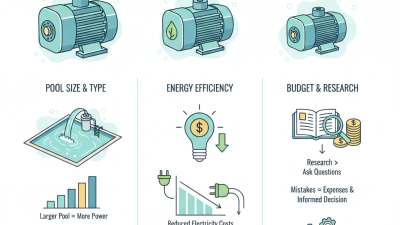
Modern swimming pool motors may use single-speed, dual-speed, or variable-speed technology. Variable-speed models can reduce energy use by running slowly for routine circulation. They can increase speed during cleaning or heating. The correct choice depends on pool size, plumbing design, filter resistance, and daily operating needs. Bigger is not always better.
A motor can still run while the system performs poorly. Weak flow, air bubbles, unusual heat, or repeated tripping deserve attention. I have seen pool owners focus only on horsepower and overlook pipe size or blocked baskets. That approach can waste energy. Sometimes, the overlooked detail matters most.
This guide explains how swimming pool motors work, how their parts interact, and what practical signs reveal trouble before a small issue becomes an expensive repair. Safety matters, especially around electricity and water. Professional inspection remains the sensible choice when wiring or internal components are involved.
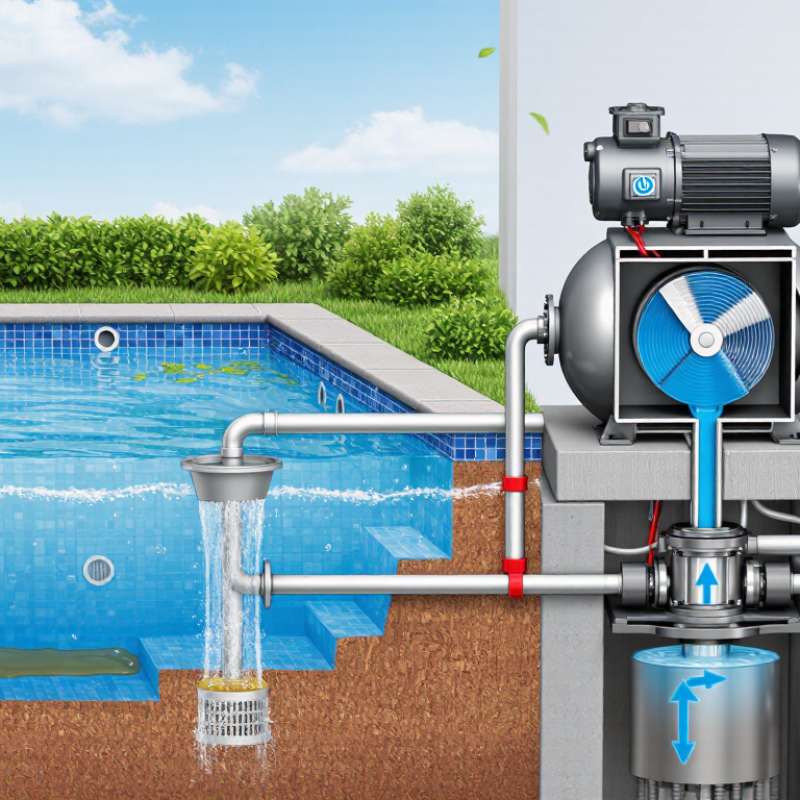
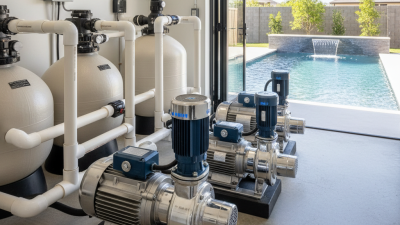
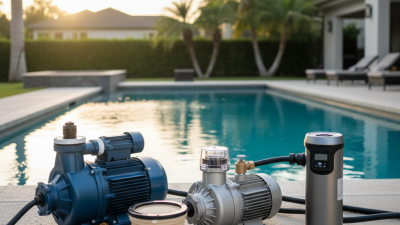
A swimming pool motor is the electric machine that powers a pool’s circulation system. It is not the pump itself. The motor turns a shaft, which spins an impeller inside the pump housing. That spinning action creates pressure, pulling water from the pool and pushing it through the filter, heater, and return lines.
The motor usually sits beside the pump, often near the pool equipment pad. When operating, it may produce a steady hum and noticeable vibration. A worn bearing can make the sound harsher. Water should never reach the motor housing. Electrical safety matters because the equipment operates near moisture.
Motor speed affects both circulation and electricity use. The U.S. Department of Energy identifies pool pumps as significant residential energy users, especially when they run for long periods. California Energy Commission testing has found that properly programmed variable-speed systems can reduce pumping energy by more than 60% compared with single-speed operation. The exact saving depends on plumbing resistance, pool size, and daily run time.
A lower speed often works for filtration. Higher speed may be needed for cleaning or heating. Not always. Poorly sized equipment can waste energy while moving little additional water. I have found that listening to the motor reveals useful clues, but sound alone is not a diagnosis. Flow rate, pressure readings, wiring condition, and service records deserve equal attention.
A swimming pool motor drives the pump that keeps water moving through the circulation system. Inside the pump, a rotating impeller creates a pressure difference. This pressure pulls water from the pool through the skimmer and main drain. The water then passes through a filter, where leaves, dust, and fine particles are removed.
The cleaned water returns through small wall fittings called return jets. This continuous loop distributes chemicals and helps prevent stagnant areas. Good circulation also supports more even water temperature. The motor does not clean the water by itself. It only supplies the mechanical force needed for the pump and filtration process.
In practical maintenance, listen for unusual humming, rattling, or repeated starting. These signs may indicate worn bearings, trapped air, blocked baskets, or poor water flow. Keep the pump basket clear and check that valves remain correctly positioned. A dry-running pump can overheat quickly and damage internal components.
Many pool owners assume stronger circulation is always better. That is not completely true. Excessive flow can waste energy and strain plumbing. The correct performance depends on pool size, pipe layout, filter condition, and operating schedule. A motor may sound normal while circulation weakens. Therefore, observing water movement and checking pressure readings provides more reliable evidence than sound alone. Certified service guidance remains valuable when electrical faults or persistent flow problems appear.
A swimming pool motor converts electrical energy into the rotation that moves water through the pump. Inside its housing, the stator contains fixed copper windings. When electricity passes through them, a magnetic field develops. The rotor responds to this field and begins turning around the central shaft.
The shaft transfers this motion to the impeller in the pump chamber. The impeller pulls water from the pool, increases its pressure, and sends it toward the filter. Bearings support smooth rotation, while a cooling fan helps control heat around the motor. A capacitor provides extra starting force and supports steady operation. Seals protect the motor from water, although they can wear quietly. That is easy to miss.
The terminal box connects the power supply to the internal windings. Its cover should remain secure and dry. During inspection, listen for grinding, humming, or repeated clicking. These sounds may suggest worn bearings, a weak capacitor, or restricted water flow. I have seen small leaks become larger failures because early inspection felt unnecessary. That judgment deserves reconsideration.
Tips: Turn off power before opening any cover. Keep vents clear of leaves and dust. Check for moisture near the shaft seal. If the motor smells burnt or trips protection repeatedly, stop using it and contact a qualified pool technician. Never guess with electrical repairs.
| Motor Component | Primary Function | How It Works | Typical Construction | Common Service Consideration |
|---|---|---|---|---|
| Stator | Creates the stationary magnetic field that drives the rotor. | Electrical current flows through copper windings and produces a rotating magnetic field. | Laminated steel core with insulated copper windings. | Overheating, moisture, or insulation breakdown can damage the windings. |
| Rotor | Converts magnetic energy into mechanical rotation. | The rotor turns inside the stator as magnetic fields interact. | Steel shaft with a squirrel-cage rotor in many induction-motor designs. | A bent shaft, damaged rotor, or imbalance may cause vibration and noise. |
| Motor Shaft | Transfers rotational power from the motor to the pump impeller. | The shaft is coupled directly to, or integrated with, the impeller assembly. | Corrosion-resistant steel or another durable metal alloy. | Excessive play, corrosion, or a damaged seal can lead to leakage or vibration. |
| Bearings | Support the shaft and allow it to rotate smoothly. | Rolling elements reduce friction between the rotating shaft and stationary housing. | Sealed ball bearings are commonly used in pool pump motors. | A loud hum, grinding sound, or excessive heat may indicate bearing wear. |
| Capacitor | Helps the motor start and maintain efficient operation. | It temporarily stores electrical energy and creates the phase shift needed for motor torque. | Metal-oxide or film capacitor in a protective housing. | A swollen, leaking, or failed capacitor can cause humming, hard starting, or tripped protection. |
| Cooling Fan | Moves air over the motor housing to remove operating heat. | The fan rotates with the motor shaft and directs airflow through the ventilation openings. | Molded polymer or metal fan fitted to the rear of the shaft. | Blocked vents, dirt, or a damaged fan can contribute to overheating. |
| Motor Housing | Protects internal electrical and mechanical parts. | It contains the motor assembly and helps transfer heat to the surrounding air. | Aluminum or other corrosion-resistant metal with external cooling ribs. | Keep the housing dry, clean, and adequately ventilated during operation. |
| End Shields and Brackets | Hold the bearings and maintain correct shaft alignment. | They close the motor frame and position the rotor accurately within the stator. | Machined aluminum or cast metal components. | Misalignment or cracked brackets can increase noise, friction, and bearing load. |
| Mechanical Seal | Prevents pool water from reaching the motor bearings and windings. | Two precision seal faces press together around the rotating shaft while allowing rotation. | Ceramic, carbon, elastomer, and stainless-steel parts. | Leaks near the pump seal area require prompt inspection to prevent motor damage. |
| Terminal Board and Wiring | Connects the motor to the electrical supply and control circuit. | Conductors deliver the required voltage and current to the windings and auxiliary components. | Insulated copper conductors, terminals, and a protective terminal compartment. | Loose connections, incorrect voltage, or water intrusion may cause overheating or failure. |
| Thermal Overload Protector | Protects the motor from excessive temperature and current. | It interrupts power when the motor becomes too hot and may reset after cooling, depending on the design. | Thermal switch or integrated overload device. | Repeated shutdowns can indicate restricted water flow, low voltage, overload, or inadequate ventilation. |
| Pump Impeller | Moves water through the filtration and circulation system. | As it spins, centrifugal force increases water velocity and pressure inside the pump housing. | Engineered polymer or corrosion-resistant metal, depending on the pump design. | Debris, clogging, or damage can reduce water flow and increase motor load. |
A pool motor supplies the rotational power, while the attached pump assembly uses that power to circulate water through the pool system.
Swimming pool motors power the pump that moves water through the filter, heater, and sanitation system. The motor spins an internal shaft, while the pump impeller pushes water through the plumbing. A properly sized motor should match the pool volume, pipe diameter, and required flow rate. More power is not always better.
Single-speed motors run at one fixed speed. They are simple and often cost less to purchase. However, they may consume substantial electricity during long filtration cycles.
Dual-speed motors provide a high setting for cleaning and a low setting for routine circulation. The lower speed usually operates more quietly and uses less energy. Still, switching between speeds requires correct controls and careful programming.
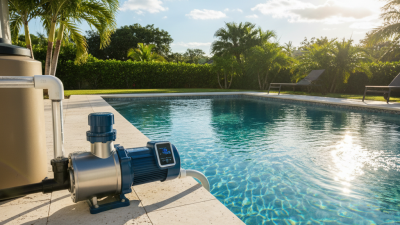
Variable-speed motors adjust their rotation gradually. They can circulate water slowly overnight, then increase flow during vacuuming or backwashing. This flexibility often reduces operating costs and vibration. Some models use permanent-magnet technology, while others use traditional induction designs. Their efficiency depends on the motor, pump hydraulics, and installation quality.
A variable-speed option is not automatically the best choice. An oversized pump can waste energy and create unnecessary pressure. Pool technicians should check amperage, ventilation, shaft alignment, and electrical protection before installation. In practice, the quietest system is often the one selected through accurate measurements, not guesswork.
Swimming pool motors convert electrical energy into rotating force. Attached to a pump, the motor turns an impeller that moves water through the circulation system. Performance depends on more than horsepower.
Water temperature, voltage stability, and ventilation all matter. A motor working in a cramped, hot equipment room can lose efficiency quickly. Dust blocks cooling openings, while damp connections encourage corrosion. I have seen a motor sound normal at startup, then grow hot after several hours. That change should not be ignored. It may signal worn bearings, restricted water flow, or an overloaded pump. Clean filters and open valves reduce strain. Yet a clean filter does not fix every problem.
Correct sizing strongly affects service life. An oversized motor may consume unnecessary electricity and create excessive pressure. An undersized motor can run continuously, overheat, and fail earlier. The actual load should match the pump, pipe length, fittings, and required flow rate. Stable electrical connections are equally important; loose terminals can produce heat and intermittent operation. Regular inspection helps identify noise, vibration, leaks, and rising operating temperatures before damage spreads. Keep a record of these changes. It is easy to rely on memory, and memory is unreliable. Lubrication requirements vary by motor design, so applying oil without checking technical instructions may cause harm. A qualified technician should test unusual electrical readings and confirm safe repairs.