Essential Tips for Maintaining a Crystal Clear Water Pool?
Maintaining a crystal clear water pool is essential for enjoyment and safety. A clean pool promotes relaxation and fun for family and friends. However, keeping the water pool pristine can be challenging. Many pool owners encounter issues that lead to murky water or algae growth.
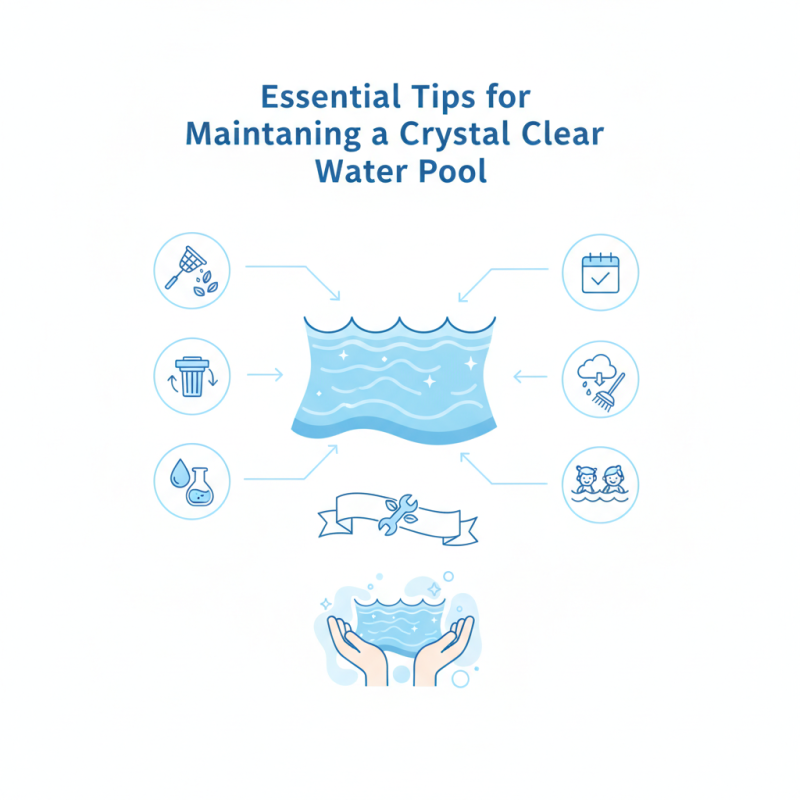
Regular maintenance is crucial for a sparkling water pool. Filtration systems play a key role in removing debris and contaminants. Checking chemical levels frequently ensures that your pool remains balanced. It's important to note, however, even dedicated efforts can sometimes lead to unexpected problems. For example, heavy rain may wash in dirt, calling for additional cleaning.
Remember, a beautiful water pool requires consistent care and attention. Ignoring minor issues can lead to major headaches later. With proper knowledge and effort, you can achieve the stunning water pool of your dreams, reflecting your commitment to cleanliness and fun.
Understanding the Importance of pH Balance in Pool Water
Maintaining a balanced pH level in pool water is crucial for a crystal clear swimming experience. The ideal pH range for pool water is between 7.2 and 7.8. When the pH level is too low, the water becomes acidic. This can lead to skin and eye irritation, while also corroding pool equipment. Conversely, a high pH level—which can reach above 8.0—makes it difficult for chlorine to disinfect effectively.
According to the National Swimming Pool Foundation, nearly 80% of pool owners struggle with maintaining proper pH balance. This often leads to cloudy water and increased chemical usage. Regular testing of pH levels can prevent these issues. Testing kits are available at many pool supply stores. They are easy to use and often provide quick results.
In addition to testing, adding chemicals can help achieve balance. For instance, muriatic acid can lower high pH levels, while sodium carbonate can raise low pH levels. It's also worth noting that environmental factors like rain and debris can affect pH. Regular maintenance routines should address these fluctuations. Even seasoned pool owners need to reevaluate their practices periodically to ensure optimal water quality.
Key Chlorine Levels for Optimal Pool Sanitation
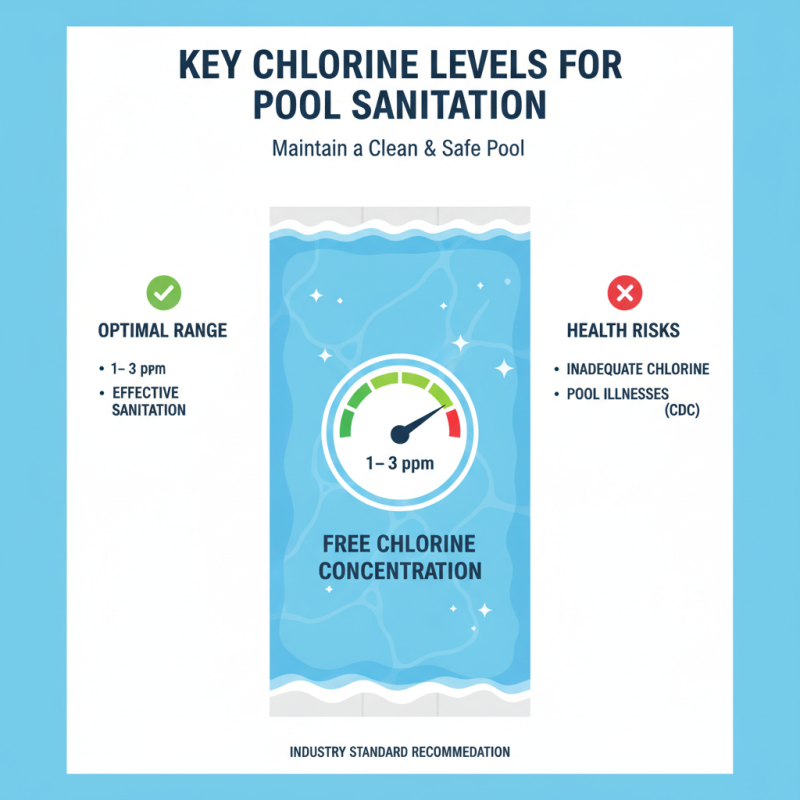
Proper chlorine levels are essential for maintaining a clean and safe swimming pool. Industry standards recommend a free chlorine concentration between 1 to 3 parts per million (ppm). This range is critical for effective sanitation. A report by the Centers for Disease Control and Prevention indicates that inadequate chlorine levels can lead to pool waterborne illnesses.
Monitoring chlorine levels regularly is vital. Pool operators should check the levels at least twice a week, especially during peak usage months. Insufficient chlorination can result in cloudy water and the growth of harmful bacteria. On the other hand, excessively high chlorine levels can irritate swimmers’ skin and eyes, leading to uncomfortable experiences.
Maintaining the right balance requires attention. Factors such as temperature, sunlight, and swimmer load can affect chlorine levels. The National Swimming Pool Foundation emphasizes the importance of stabilizers to prevent chlorine loss due to UV exposure. While it may seem simple, ongoing adjustments are necessary for optimal pool conditions. Regularly testing the water helps ensure that your pool remains inviting and safe for all users.
The Role of Filtration Systems in Achieving Crystal Clear Water
A filtration system is crucial for maintaining crystal clear water in your pool. It serves as the first line of defense against debris, dirt, and contaminants. A quality filter efficiently removes particles that can cloud water. Regularly backwashing and cleaning your filter can enhance its performance. Neglecting this can lead to inefficiency.
Understanding your filtration options is essential. There are different types: sand, cartridge, and diatomaceous earth (DE) filters, each with unique benefits.
Sand filters are easy to maintain but may not capture the smallest particles. Cartridge filters allow for better filtration at lower costs but require frequent cleaning. DE filters are highly efficient but need more upkeep. Choose a system that suits your pool's needs and your maintenance preferences.
Regular maintenance also includes
checking the flow rate. A drop in flow can indicate clogs or a need for filter replacement. Consider water circulation patterns, as stagnant areas can also lead to
algae growth. A well-designed filtration system, coupled with consistent maintenance, can significantly increase water clarity. Assessing both mechanical and chemical aspects ensures pool water remains inviting. Your pool’s health depends not only on the filtration system but also on engagement and vigilance.
Impact of Regular Water Testing on Pool Clarity and Safety
Regular water testing is crucial for maintaining clear and safe pool water. Testing helps identify imbalances in pH, hardness, and sanitizer levels. Even minor fluctuations can lead to murky water or harmful bacteria growth. Use simple test strips to get instant results. This allows for quick adjustments, ensuring a healthier swimming environment.
Monitoring water regularly also enhances the pool's aesthetics. Algae thrive in untested water, turning your oasis into a green pond. Unexpected changes can happen, especially after heavy rain or a busy weekend. Thus, testing twice a week during peak seasons can make a difference.
Sometimes, people overlook testing and assume their pools are clean. Such assumptions can lead to issues like skin irritations or equipment damage. Keep a log of your test results to track patterns over time. Not all tests are perfect, and you might misread a strip occasionally. Embrace this learning curve and engage with local experts for better pool management.
Impact of Regular Water Testing on Pool Clarity and Safety
Essential Maintenance Schedule: Weekly and Seasonal Pool Care Tasks
To maintain a crystal-clear pool, a robust maintenance schedule is essential. Weekly tasks include checking the pH levels and chlorine concentration. A balanced pH is crucial, ideally between 7.4 and 7.6 for optimal comfort and sanitation. A study by the National Swimming Pool Foundation suggests that 80% of pool issues stem from improper chemical balance. Monitoring these levels weekly can prevent algae growth and ensure a safe swimming environment.
Cleaning the pool on a weekly basis is also critical. Skim the surface for debris, brush walls, and vacuum the floor. This not only enhances aesthetics but also improves water circulation. Inadequate cleaning may lead to cloudy water and lingering odors. Remember, 25% of swimming pool owners neglect regular cleaning, leading to significant maintenance costs later.
Seasonal maintenance tasks cannot be ignored. Every three months, check filters and pumps for efficiency. A report from Pools & Spas indicates that regular equipment checks can extend lifespan by up to 30%. Winterization in colder climates requires proper draining, ensuring no damage occurs during freezing temperatures. Consider having a professional inspect and advise if you feel uncertain about your abilities. Regular maintenance builds confidence and promotes a consistently clean pool, but it’s important to admit when help is needed.
Essential Tips for Maintaining a Crystal Clear Water Pool
| Task |
Frequency |
Description |
| Skim Surface |
Daily |
Remove leaves and debris from the surface of the water. |
| Check Water Chemistry |
Weekly |
Test pH, chlorine levels, and adjust accordingly. |
| Brush Walls and Tiles |
Weekly |
Scrub the pool walls and tiles to prevent algae build-up. |
| Vacuum Pool |
Weekly |
Remove dirt and debris from the bottom of the pool. |
| Empty Skimmer and Pump Baskets |
Weekly |
Clear leaves and debris to ensure proper circulation. |
| Check Water Level |
Weekly |
Ensure the water level is adequate for the skimmers to function properly. |
| Shock the Pool |
Monthly |
Add chlorine to eliminate contaminants and boost clarity. |
| Inspect Pool Equipment |
Monthly |
Check for wear and tear on pumps, filters, and other equipment. |
| Winterize Pool |
Seasonal |
Prepare the pool for winter; drain lines, cover the pool. |
| Open Pool |
Seasonal |
Remove cover, clean, and balance chemicals for spring. |