China Top Closed Granulation Line Manufacturers
China has become an important source of Closed Granulation Line equipment for pharmaceutical, food, and chemical production. This overview introduces manufacturers and the practical questions buyers should ask before comparing proposals. A strong supplier should explain how its system handles mixing, wet massing, granulation, drying, and material transfer. It should also provide clear process data, equipment specifications, and commissioning support. Details matter.
A line’s enclosed design can help limit dust exposure and reduce product contact with the surrounding environment. But “closed” alone does not guarantee consistent granules. Buyers should examine material compatibility, cleaning access, control-system functions, batch records, and the supplier’s approach to process validation. Ask to see test results for a product similar to yours. Specs can mislead. A polished brochure is not a performance report.
Quality expert W. Edwards Deming’s principle is relevant here: “Quality comes not from inspection, but from improvement of the process.” For a Closed Granulation Line, that means assessing the full production sequence, not just the granulator. This article will compare Chinese manufacturers through engineering capability, customization, documentation, service, and evidence of reliable operation. It will also distinguish verifiable strengths from marketing claims. The comparison cannot replace a factory audit or product trial. That limitation matters. A careful shortlist should reflect the buyer’s material, target capacity, cleaning needs, and operating conditions—not price alone.
What Is a Closed Granulation Line?
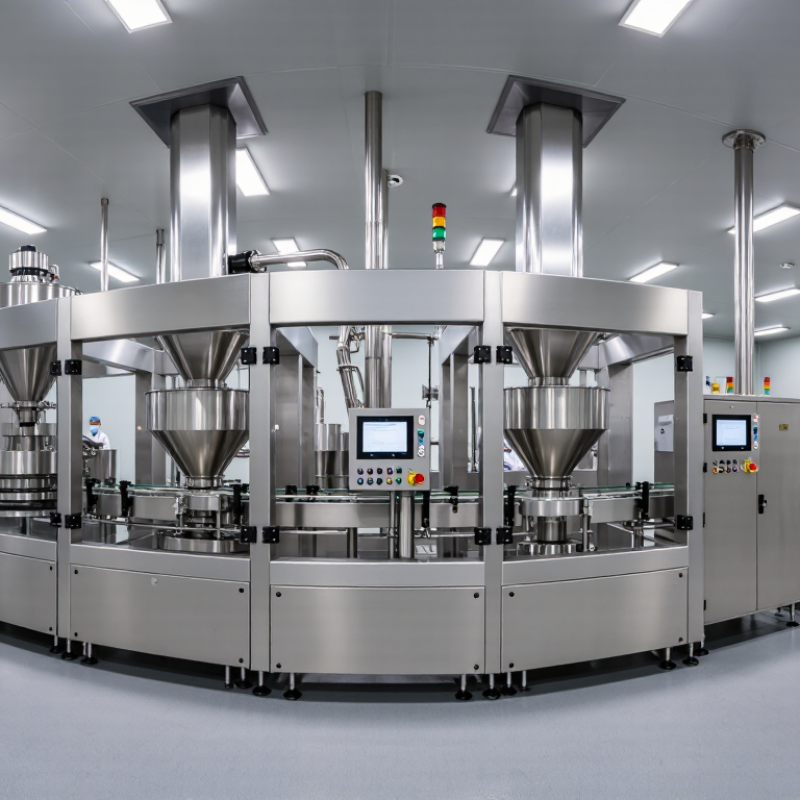
A closed granulation line is a connected process that moves powder through granulation with limited exposure to the surrounding room. Typical equipment may include enclosed feeders, a mixer or granulator, a dryer, and sealed transfer connections. The exact layout depends on the material, batch size, and required granule properties. Operators monitor details such as feed rate, moisture, temperature, and particle size; small changes can affect flow and consistency.
“Closed” does not mean perfectly sealed or maintenance-free. Powder can escape during charging, sampling, or equipment opening, so connection design and work procedures matter. Access panels, seals, and filters need regular inspection. A practical truth: even a well-designed line can be awkward to clean. That deserves attention during equipment selection, not after installation.
Tips: Check where material enters and leaves each machine, and ask how cleaning and sampling are performed. Look for clear access to seals and filters. Confirm that monitoring points suit the actual process. A neat layout is useful, but it is not proof of reliable containment.
How a Closed Granulation Line Works
A closed granulation line moves powder through connected equipment with limited exposure to the surrounding room. Operators typically feed weighed ingredients into a sealed mixer, where controlled liquid addition helps bind the particles. The damp mass then passes to a granulator, dryer, and sizing unit. Transfer points matter: a poorly fitted connection can release dust or let moisture enter. Small details count.
The enclosure helps control dust, moisture, and cross-contamination, but it does not replace good process design. Airflow, filters, seals, and cleaning access all need careful attention. Sensors can track temperature and pressure, while operators check that the granules dry evenly and reach the required size. Still, “closed” is not magic. A filter can clog, and a hidden corner can retain residue. That deserves reflection during equipment selection and routine inspection. A dependable line combines suitable machinery with documented cleaning, maintenance, and process checks.
Industries Using Closed Granulation Lines in China
In China, pharmaceutical plants use closed granulation lines to handle powders that need consistent size and moisture. Operators may monitor the mixer, binder feed, and discharge through enclosed ports. This can reduce dust around the equipment and support cleaner production areas. Dust matters. The line still needs careful cleaning, especially when products change.
Fine chemical and fertilizer manufacturers also use enclosed systems for granules that must flow evenly during packing or later processing. A stable feed rate can help limit oversized lumps and uneven batches. Yet raw materials behave differently. Some absorb moisture quickly; others cling to vessel walls. Settings that work for one formulation may fail on another, so production trials remain important.
Food ingredient processors may apply closed granulation to powders such as starches, mineral salts, or blended additives. Keeping transfer points enclosed can help manage airborne particles, but it does not replace sanitation checks or suitable ventilation. In practice, layout matters: narrow access doors and poorly placed inspection points can make maintenance slow. That detail is easy to overlook. Chinese manufacturers serve varied industries, but buyers should compare material compatibility, cleaning access, and process records rather than relying on capacity figures alone.
How to Evaluate Chinese Closed Granulation Line Manufacturers
China Top Closed Granulation Line Manufacturers
How to Evaluate Chinese Closed Granulation Line Manufacturers
Evaluate the engineering behind the presentation. A capable supplier should explain how the granulator, transfer connections, and drying equipment work as one enclosed process. Ask how operators inspect seals, control dust, and clean product-contact surfaces between batches. Ask for evidence.
Review drawings, material specifications, and test records, not just a polished brochure. During a factory visit, watch a trial run and check whether access panels open easily. Look closely at gaskets, welds, cable routing, and the space needed for maintenance. Small details matter. Request references for installations with similar materials and production volumes, while recognizing that process results depend on the full formulation and operating conditions.
Clarify what commissioning includes, who trains operators, and how quickly technical support can respond. Ask for a written scope covering acceptance tests, spare parts, and documentation. A supplier should discuss limitations as openly as strengths. One awkward truth: a neat demonstration may not reveal cleaning difficulties after repeated production cycles. Request a cleaning trial or a clear inspection plan before comparing quotations. A lower price alone says little about long-term reliability. Check whether promised performance is measurable, and make sure both sides agree on the test method.
China Top Closed Granulation Line Manufacturers: How to Evaluate Suppliers
Suggested evaluation weighting for comparing manufacturers of closed granulation lines. These are planning weights, not measured market data or ratings of specific companies; adjust them to match your project requirements.
Prioritize documented containment and GMP compliance, then verify process performance through specifications, qualification records, and trials using representative materials.
Leading Closed Granulation Line Manufacturers in China
Leading closed granulation line manufacturers in China combine process engineering with practical equipment design. Their lines may connect wet mixing, granulation, drying, milling, and transfer inside enclosed systems. The goal is controlled material movement, not simply a polished equipment layout. Good manufacturers can explain how each stage affects moisture, particle size, and cleaning time.
Look closely at the details. A factory visit can reveal whether access doors open comfortably, seals sit evenly, and discharge points are easy to inspect. Ask how the system handles product changes and how operators verify cleaning. Clear answers matter. So do drawings, test records, and realistic commissioning plans. A supplier should discuss limits, too; no single line fits every formulation or production target.
Strong Chinese manufacturers often tailor equipment around a customer’s process, available floor space, and control requirements. Request a trial using representative material when possible, then review yield, dust containment, and batch consistency. Small differences matter. A poorly placed sampling port can slow routine checks, while difficult-to-reach surfaces can complicate maintenance. Some sales proposals make integration sound effortless. It rarely is. Buyers should confirm interfaces, training, spare-part support, and acceptance criteria before selecting a line.

