Top Pool Pumps for Efficient Water Circulation and Energy Savings
In an era where energy efficiency is paramount, pool pumps have emerged as a crucial component in maintaining optimal water circulation and reducing energy costs. According to the U.S. Department of Energy, swimming pools can account for significant residential energy consumption, with pool pumps often being the largest energy user among pool equipment. Industry expert Dr. Emily Carter, a leading researcher at the National Swimming Pool Association, emphasizes, "Investing in an efficient pool pump not only lowers your utility bills but also contributes to a more sustainable environment."
Modern advancements in pool pump technology have led to the development of variable-speed models that offer substantial energy savings compared to traditional systems. Data shows that variable-speed pumps can reduce energy use by up to 70%, making them a wise choice for homeowners looking to cut costs while ensuring efficient water circulation. With the summer season approaching, understanding the options available in the market can help pool owners make informed decisions that benefit both their pockets and the planet.
As consumers become increasingly conscious of their energy use, the demand for high-efficiency pool pumps is set to rise. With compelling statistics and expert insights affirming their value, it's clear that investing in top-performing pool pumps is essential for effective water management and long-term savings.
Top Energy-Efficient Pool Pump Types for Optimal Performance
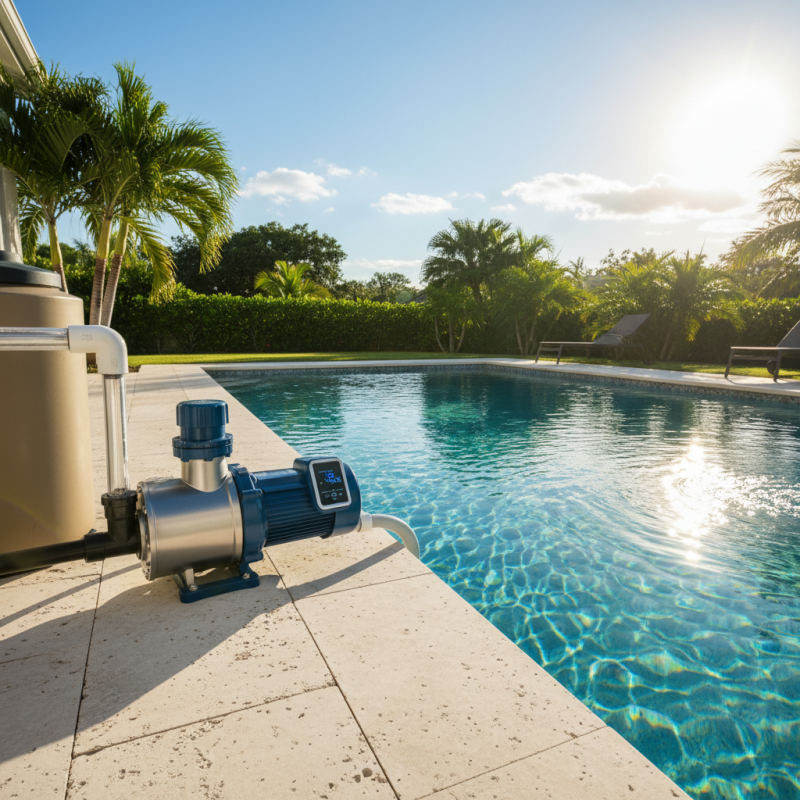
When it comes to pool maintenance, selecting the right pump is crucial for both water circulation and energy efficiency. There are several types of energy-efficient pool pumps that stand out for their optimal performance. Variable-speed pumps are among the most popular choices, as they allow users to adjust the speed based on the specific needs of the pool. This adaptability not only minimizes energy consumption but also prolongs the lifespan of the pump, making it a smart investment for any pool owner.
Another efficient option is the dual-speed pump, which offers two preset speeds for operation. This type of pump is particularly useful for homeowners who want to strike a balance between thorough water circulation during peak usage and energy savings during off-peak times. By running the pump at a lower speed for extended periods, these pumps significantly reduce electricity costs while still ensuring that the pool remains clean and clear of debris. Overall, understanding the various types of energy-efficient pool pumps can lead to optimal performance and a more sustainable approach to pool care.
Top Pool Pumps for Efficient Water Circulation and Energy Savings - Top Energy-Efficient Pool Pump Types for Optimal Performance
| Pump Type |
Power (HP) |
Flow Rate (GPM) |
Energy Efficiency Rating |
Average Monthly Cost ($) |
| Single-Speed |
1.5 |
60 |
Standard |
80 |
| Variable-Speed |
1.5 |
70 |
High Efficiency |
50 |
| Dual-Speed |
1.0 |
50 |
Moderate Efficiency |
70 |
| Solar Pool Pump |
0.75 |
30 |
Very High Efficiency |
25 |
| ECM Pump |
1.0 |
40 |
Ultra High Efficiency |
30 |
Understanding Pool Pump Flow Rates and Their Impact on Water Circulation
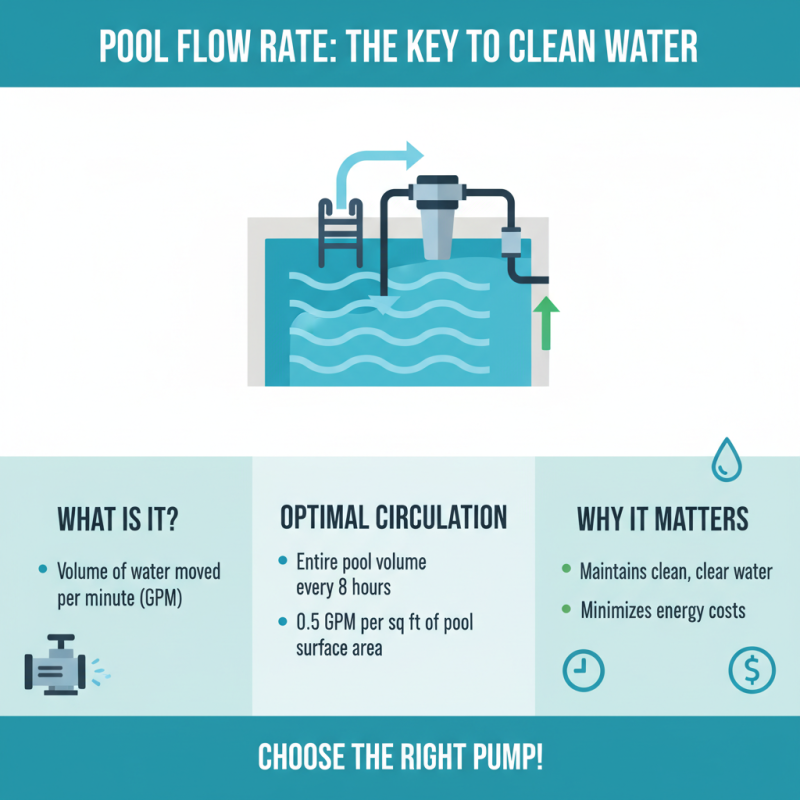
When it comes to efficient water circulation in swimming pools, understanding flow rates is crucial. Flow rate, often measured in gallons per minute (GPM), determines how effectively water is moved through the pool’s filtration system. According to the Pool & Spa Association, for optimum circulation, a pool should ideally circulate its entire volume every 8 hours. This translates to a flow rate of approximately 0.5 GPM for every square foot of pool surface area. Therefore, selecting a pump that provides the right flow rate is essential for maintaining clean, clear water while minimizing energy consumption.
Moreover, the energy efficiency of pool pumps is not just about choosing a model with a high flow rate but also paying attention to how that flow rate impacts overall water turnover. Research from the US Department of Energy highlights that variable-speed pumps can reduce energy use by up to 90% compared to traditional single-speed models. By adjusting their flow rates, these pumps enable homeowners to operate at lower speeds during off-peak hours or when less circulation is needed, thus leading to significant cost savings over time. Understanding the correlation between flow rates and circulation patterns is vital for pool owners looking to optimize both water quality and energy efficiency.
Comparative Analysis of Variable Speed vs. Single Speed Pool Pumps
When considering pool pumps, one crucial distinction is between variable speed and single speed models. Variable speed pumps offer advanced energy efficiency, allowing users to adjust the speed according to their specific needs. According to the U.S. Department of Energy, these pumps can use up to 90% less energy compared to traditional single speed pumps. This substantial reduction in energy consumption not only leads to significant cost savings on utility bills but also contributes to a lower environmental impact.
In contrast, single speed pumps operate at a constant rate, which can lead to excessive energy use, especially for large pools that require varying flow rates for different tasks, such as filtration and cleaning. A recent report from the Pool & Hot Tub Alliance highlighted that the operational costs of single speed pumps can significantly outweigh their initial purchase price over time. For instance, households using variable speed pumps reported average annual savings of $500, showcasing the long-term economic benefits and making them a more viable option for energy-conscious homeowners.
As pool ownership grows, understanding the energy implications of pump types becomes essential. With the Energy Policy Act promoting energy efficiency, more homeowners are transitioning to variable speed technology, ensuring optimal circulation while significantly reducing their carbon footprint and energy expenditures.
Energy Consumption Metrics: How Efficient Pumps Can Save on Costs
When considering pool maintenance, energy-efficient pumps play a crucial role in reducing overall costs and improving water circulation. According to a report from the U.S. Department of Energy, pool pumps account for about 60% of a pool's energy consumption. By selecting an efficient pump, homeowners can cut energy costs significantly, often realizing savings of 30% to 60%. Variable-speed pumps, in particular, are highlighted for their efficiency, as they allow users to adjust the motor speed according to their needs, rather than operating at a constant speed, leading to substantial energy savings.
In addition to lowering energy bills, efficient pumps contribute to enhanced water quality. The National Association of Pool Contractors states that effective circulation, driven by energy-efficient pumps, ensures better distribution of chemicals and reduces the risk of algae build-up. Reports indicate that optimizing circulation can lead to a more consistent water temperature and clarity, creating a more enjoyable swimming environment. With advancements in technology and growing awareness, the shift towards more efficient pool pumps not only promotes energy conservation but also supports sustainable practices within the industry.
Best Practices for Maintaining Pool Pumps to Maximize Longevity and Efficiency
Maintaining your pool pump is essential for ensuring efficient water circulation and extending the lifespan of the equipment. Regular maintenance can significantly improve your pool's water quality and reduce energy costs. One of the key practices is to inspect and clean the pump's strainer basket regularly. Debris can accumulate, obstructing water flow and causing the pump to work harder than necessary, which can lead to increased energy consumption and potential damage.
Tips: Check the strainer basket at least once a week, especially during peak swimming season. Remove any leaves, twigs, or other debris to keep the pump operating smoothly.
Another important aspect of maintenance is ensuring that the pump's motor is well-ventilated and free from obstructions. Proper airflow is crucial for the efficient operation of the motor, which prevents overheating and prolongs its life. Additionally, lubricating the pump's moving parts as specified in the manufacturer's guidelines can reduce friction and wear, enhancing performance.
Tips: Schedule a comprehensive pump inspection at least twice a year. This proactive approach can help catch any issues early and keep your pool system running efficiently throughout the year.
Top Pool Pumps Energy Efficiency Comparison