Top 10 Pool Pumps in Canada: Finding the Best Value for Your Pool Needs
When it comes to maintaining a safe and enjoyable swimming pool, selecting the right equipment is crucial. Among the essential components for pool care, pool pumps play a vital role in ensuring clean and circulating water. In Canada, where the pool season may be shorter but just as sweet, choosing the best value for your investment becomes imperative. This article delves into the top 10 pool pumps in Canada, providing insights into their efficiency, durability, and overall performance.
As you navigate through the various options available, understanding the features that distinguish these pool pumps is essential for making an informed choice. From energy efficiency to ease of installation and maintenance, each product caters to different needs, making the search for the perfect pool pump a tailored experience. Whether you are a seasoned pool owner or a first-time buyer, this guide aims to simplify your decision-making process and enhance your pool experience. Join us as we explore the best pool pumps in Canada, ensuring you find not only the right pump but also the best value for your pool needs.
Understanding Pool Pump Types and Their Functions
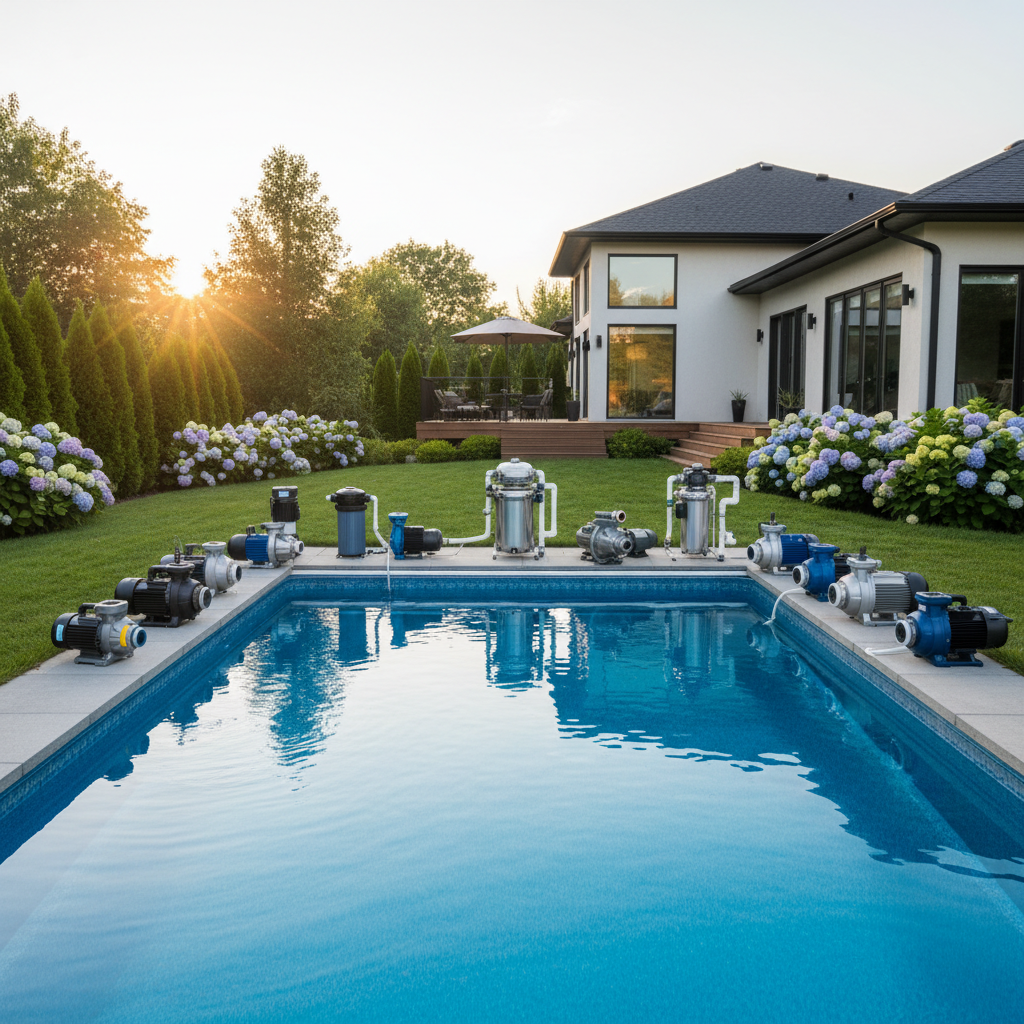
When selecting a pool pump, understanding the different types available is essential for optimizing performance and energy efficiency. Generally, there are three primary types of pool pumps: single-speed, dual-speed, and variable-speed pumps. Single-speed pumps are the traditional option, running at a constant speed, which can lead to higher energy costs—up to 60% more than their variable-speed counterparts. Dual-speed pumps offer some flexibility but still consume a significant amount of energy when operating at high speeds. Variable-speed pumps, on the other hand, are highly efficient, allowing users to adjust the flow rate based on their specific pool needs, potentially saving up to 90% on energy costs over time.
In addition to pump types, the function and capacity of the pump play a crucial role in maintaining a clean and safe swimming environment. According to industry reports, the ideal pump should circulate the entire volume of water in your pool at least once every 8 hours, leading to a turnover rate that enhances filtration and water clarity. Size matters too; choosing a pump that matches your pool's size and features, such as jets or water features, ensures effective operation. When assessing value, the life cycle and energy consumption rates of various pumps should be considered, as investments in higher-quality, energy-efficient pumping solutions can yield substantial savings and performance benefits in the long run.
Top 10 Pool Pumps in Canada: Finding the Best Value for Your Pool Needs
| Model |
Type |
Power (HP) |
Flow Rate (GPM) |
Energy Efficiency Rating |
Price (CAD) |
| Pump A |
Variable Speed |
1.5 |
75 |
A+ |
$600 |
| Pump B |
Single Speed |
1.0 |
50 |
B |
$300 |
| Pump C |
Dual Speed |
1.5 |
65 |
A |
$450 |
| Pump D |
Variable Speed |
2.0 |
85 |
A++ |
$750 |
| Pump E |
Single Speed |
0.75 |
40 |
C |
$250 |
| Pump F |
Dual Speed |
1.5 |
70 |
A |
$500 |
| Pump G |
Variable Speed |
1.0 |
60 |
A++ |
$650 |
| Pump H |
Single Speed |
1.5 |
55 |
B+ |
$320 |
| Pump I |
Dual Speed |
0.75 |
45 |
A |
$420 |
| Pump J |
Variable Speed |
2.5 |
90 |
A++ |
$800 |
Key Features to Consider When Choosing a Pool Pump
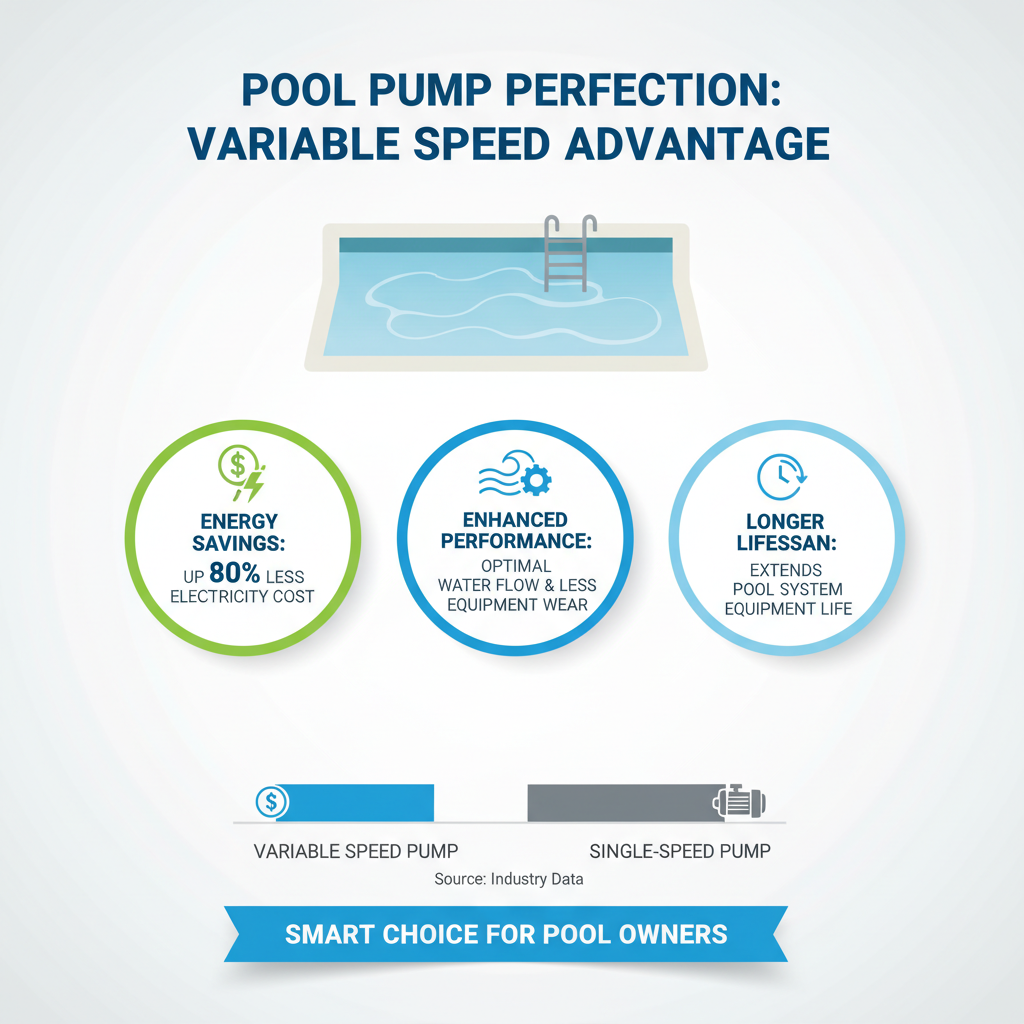
When selecting a pool pump, understanding the key features that contribute to efficiency and usability is paramount. One of the most significant advancements in pool pump technology is the use of variable speed pumps. According to industry data, variable speed pumps can reduce energy consumption by up to 80% compared to traditional single-speed pumps. These pumps not only help pool owners save significantly on their electricity bills but also provide enhanced water flow and reduce wear on the equipment, ensuring a longer lifespan for the pool system.
Another important consideration is the pump's compatibility with pool automation systems. Automated pool timers can streamline the operation of pumps and filters, maintaining clean water with minimal user intervention. Recent reports highlight how the integration of automation features can increase operational efficiency by 30%, making it easier for pool owners to manage maintenance schedules. Additionally, selecting a pump that includes a reliable cover pump is crucial. These pumps prevent water accumulation on pool covers from rain or snow, mitigating potential damage and prolonging the lifespan of your pool cover. By focusing on these key features, pool owners can ensure they choose a pump that offers the best value for their investment.
Top Brands and Their Standout Models in Canada
When choosing a pool pump, it’s essential to consider the top brands and their standout models available in Canada. One of the most reputable brands is Hayward. Their Super Pump series is celebrated for its energy efficiency and durability, making it a top choice among pool owners. Similarly, Pentair offers the Intelliflo variable speed pump, which is known for its advanced technology that allows users to customize the pump’s operations, ultimately leading to significant energy savings.
When shopping for a pool pump, it’s crucial to assess the size of your pool and the pump’s flow rate. A tip to remember is that you should aim for a pump that can filter your pool water completely within 8 hours, which requires a specific flow rate based on your pool’s volume. Additionally, consider the noise levels; quieter models can significantly enhance your pool experience. Another useful tip is to check for features such as programmable timers and energy-efficient options to optimize performance and reduce operational costs.
Comparative Analysis of Value and Performance
When selecting a pool pump, a comparative analysis of value and performance is key to optimizing your investment. According to the "2023 Pool Equipment Market Report," the efficiency of pool pumps has improved significantly, with variable-speed models showcasing an average energy savings of 65% compared to single-speed pumps. This reduction in energy consumption not only lowers operational costs but also extends the lifespan of the pump, making it a more sustainable choice for pool owners in Canada.
In addition to energy efficiency, performance metrics such as flow rate and noise levels are critical in evaluating pool pumps. The "Canadian Pool Pump Study" indicates that models with a higher flow rate can circulate water more effectively, maintaining optimal hygiene levels. Many top-rated pumps offer flow rates between 50 to 80 gallons per minute, striking a balance between performance and energy costs. Moreover, user reviews highlight that quieter models, particularly those designed with advanced noise reduction technology, significantly enhance the overall pool experience, making a compelling case for their inclusion in your shortlist.
Top 10 Pool Pumps in Canada: Value and Performance Analysis
Maintenance Tips for Prolonging Pool Pump Lifespan
Maintaining a pool pump is crucial for ensuring its longevity and efficiency. Regular maintenance can vastly improve the lifespan of your equipment, helping you avoid costly repairs or replacements. One essential tip is to clean or replace the filter regularly. A clogged filter can strain the pump, leading to decreased performance and potential damage. Additionally, checking for any signs of wear or leaks in the seals and gaskets around the pump will prevent minor issues from turning into major problems.
Another important aspect of pool pump maintenance is monitoring the water chemistry. Balanced pool water helps to protect various components of the pump from corrosion and scaling, which can degrade performance over time. Regularly testing the water and adjusting the chemical levels can also reduce the workload on the pump, allowing it to operate more efficiently. Lastly, consider running the pump during off-peak hours to reduce wear and tear, as well as save on energy costs. By incorporating these simple maintenance practices, you can significantly extend the life of your pool pump and maintain optimal performance for your swimming pool.