
Why Buy a Recliner Massage Chair for Your Business?
A Recliner Massage Chair can turn an overlooked business corner into a practical customer experience. In a salon, hotel, office, or wellness studio, it offers comfort while people wait, recover, or take a short break. Picture a guest settling into padded support, lowering the footrest, and hearing the chair begin a quiet massage cycle. That moment can make a waiting area feel more intentional.
The business value depends on fit, not excitement alone. A durable chair should support frequent use, simple controls, easy cleaning, and reliable service access. Look for commercial-grade materials, adjustable programs, safety certifications, and a warranty with clear coverage. Staff should understand the controls and explain them accurately. Guests may have different comfort levels, mobility needs, or health concerns. A massage chair is not a medical treatment, so responsible businesses should avoid promising therapeutic results.
Experience also reveals the less attractive details. Some models are bulky, noisy, or difficult to move through narrow doorways. Maintenance costs can reduce the expected return. A chair that looks impressive may receive little use if placed beside a loud reception desk. Customer feedback, usage records, and a simple trial period can expose these weaknesses. Not every business needs one. Still, when placement, hygiene, comfort, and operating costs are carefully evaluated, a Recliner Massage Chair may strengthen service quality and encourage longer, more memorable visits. The decision deserves measurement, not guesswork.
What Is a Recliner Massage Chair for Business?
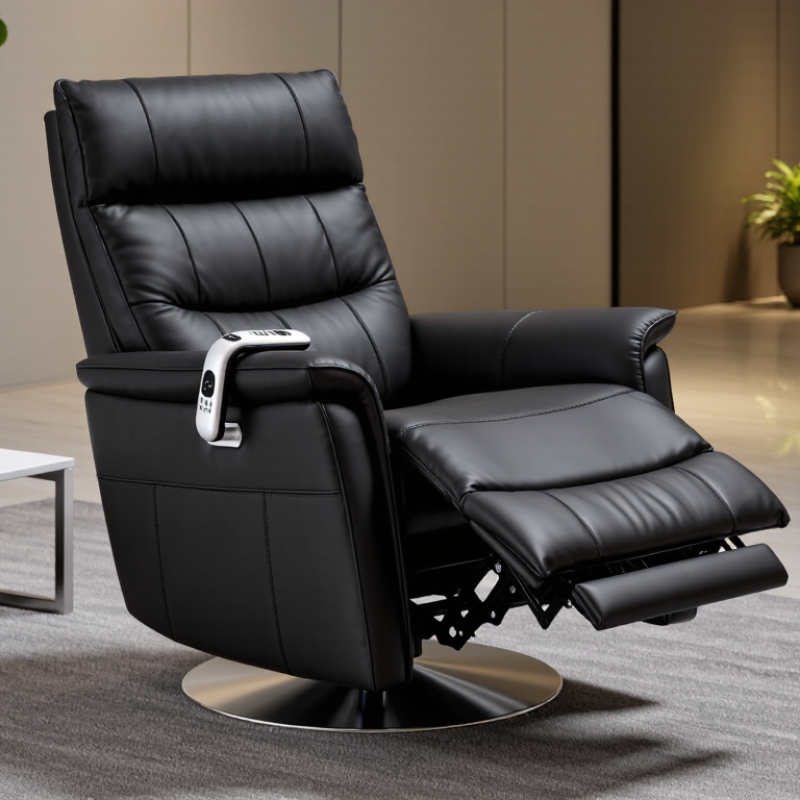
A recliner massage chair for business is a commercial wellness seat designed for shared, repeated use. Unlike a home model, it usually has a stronger frame, wipe-clean upholstery, and controls that staff can explain quickly. The chair reclines the user while rollers, airbags, or vibration work across selected areas, such as the back, shoulders, and calves. It may offer timed programs, intensity settings, and a simple stop button. In a hotel lobby, office lounge, salon, or wellness studio, the chair creates a short recovery space without requiring a private treatment room. That distinction matters. It is not a replacement for clinical care or a trained massage professional.
Tips: Check the weight capacity, session timer, warranty terms, and cleaning instructions before purchase. Leave enough clearance behind the backrest and beside the armrests. Test the controls with different users, not only with the tallest employee. A quiet motor is valuable in reception areas. Keep a written cleaning routine. In practice, overlooked seams collect dust faster than expected.
A good business setup also needs clear user guidance. A small sign can explain session length, posture, intensity, and when to stop. Staff should inspect cables, upholstery, and moving parts regularly. I have found that comfort varies sharply between users; one setting may feel gentle, while another feels excessive. The chair can improve customer experience, but maintenance and supervision need equal attention. Some businesses may overestimate demand at first. A short trial period can reveal whether clients actually use it.
Why Buy a Recliner Massage Chair for Your Business? - What Is a Recliner Massage Chair for Business?
| Business Consideration | What It Is / Typical Specification | Business Value | Planning Notes |
|---|---|---|---|
| Product Definition | A powered reclining chair that combines adjustable seating with automated massage functions such as rolling, kneading, compression, vibration, or heat. | Provides a structured relaxation or wellness service without requiring a therapist for every session. | Use only equipment designed and rated for the expected commercial environment. |
| Typical Session Length | Common preset programs generally range from approximately 10 to 30 minutes, depending on the chair and selected mode. | Makes appointment scheduling, customer turnover, and timed self-service easier to manage. | Set session limits according to the operating manual and the intended customer experience. |
| Massage Coverage | Depending on the design, massage may target areas such as the back, shoulders, waist, hips, arms, calves, and feet. | Supports broader service positioning, including relaxation areas, recovery spaces, salons, offices, and hospitality venues. | Coverage varies significantly; compare the actual massage mechanism and airbag layout before purchasing. |
| Reclining Function | An electric motor adjusts the backrest and leg or footrest to create a more supported seated or reclined position. | Improves comfort during a session and can help create a dedicated relaxation zone. | Allow clearance behind and in front of the chair based on the maximum reclined position. |
| Space Requirement | Many full-size massage recliners occupy roughly 0.8 to 1.2 square metres of floor area before circulation space is added. | Allows businesses to estimate how many units can fit without blocking walkways or emergency access. | Measure the chair both upright and fully reclined; dimensions differ by model. |
| Electrical Requirement | Most powered chairs require a standard electrical outlet, while voltage, frequency, and rated power depend on the market and model. | Enables installation in reception areas, lounges, waiting rooms, staff spaces, and wellness facilities. | Confirm local electrical compliance, outlet location, cable protection, and power consumption before installation. |
| Potential Revenue Model | The chair can support paid timed sessions, membership benefits, package upgrades, or complimentary services that encourage additional purchases. | Creates flexible ways to connect the equipment with existing products or services. | Revenue depends on local pricing, traffic, utilization, operating costs, and customer demand. |
| Operational Efficiency | Preset programs and handheld or integrated controls allow users to start and adjust sessions with limited staff assistance. | Reduces the amount of staff time needed for routine session operation. | Provide clear instructions and supervision where users may need help with controls or positioning. |
| Cleaning and Hygiene | High-contact surfaces include the headrest, armrests, seat, controls, and foot areas; cleaning requirements depend on upholstery and construction. | Supports a more consistent customer experience in shared-use environments. | Use cleaning products approved for the upholstery and establish a documented cleaning schedule. |
| Durability Consideration | Commercial use exposes the chair to repeated sessions, frequent repositioning, and higher contact frequency than typical home use. | A suitable design can help reduce avoidable downtime and replacement risk. | Review duty-cycle guidance, load capacity, service access, spare-part availability, and warranty terms. |
| Customer Experience | A private or semi-private reclined massage experience can add comfort and perceived value to a customer visit. | May increase dwell time, improve waiting-area comfort, and strengthen a wellness-oriented service atmosphere. | Consider noise level, privacy, accessibility, lighting, and the surrounding customer flow. |
| Safety and Suitability | Massage chairs are consumer wellness devices, not substitutes for medical diagnosis or treatment. | Clear usage guidance helps businesses manage customer expectations and reduce inappropriate use. | Display safety instructions and advise users with relevant medical concerns, pregnancy, recent surgery, or implanted devices to consult a qualified healthcare professional before use. |
Note: Specifications and operating requirements vary by model and jurisdiction. Confirm the manufacturer’s technical documentation, safety instructions, warranty coverage, and local compliance requirements before commercial installation.
