Choosing among pool pumps Canada offers in 2026 requires more than comparing horsepower and retail prices. Canada’s varied climate, from coastal rain to severe prairie winters, changes how pumps perform and last. Global buyers also face differences in voltage, plumbing standards, warranties, and after-sales support. These details matter.
This guide examines energy efficiency, flow rate, motor design, noise, installation demands, and cold-weather durability. It considers variable-speed models for quieter operation and lower running costs. It also reviews single-speed options for simpler installations and smaller pools. Practical evaluation matters here. A pump may look powerful on paper but perform poorly with restrictive filters or long pipe runs.
Reliable recommendations should come from manufacturer specifications, recognized efficiency information, and real operating conditions. Readers should verify local electrical requirements before purchasing or arranging installation. A certified professional can confirm compatibility with the pool system and regional standards. That step prevents expensive mistakes.
Still, no single model suits every global buyer. Some comparisons may depend on incomplete public data, changing prices, or regional availability. That limitation deserves attention. This 2026 overview of pool pumps Canada aims to provide a balanced starting point, not an absolute verdict. It highlights dependable choices, explains technical trade-offs, and helps buyers ask better questions before spending money. A practical pump should deliver steady circulation, manageable maintenance, and service support long after the first installation.
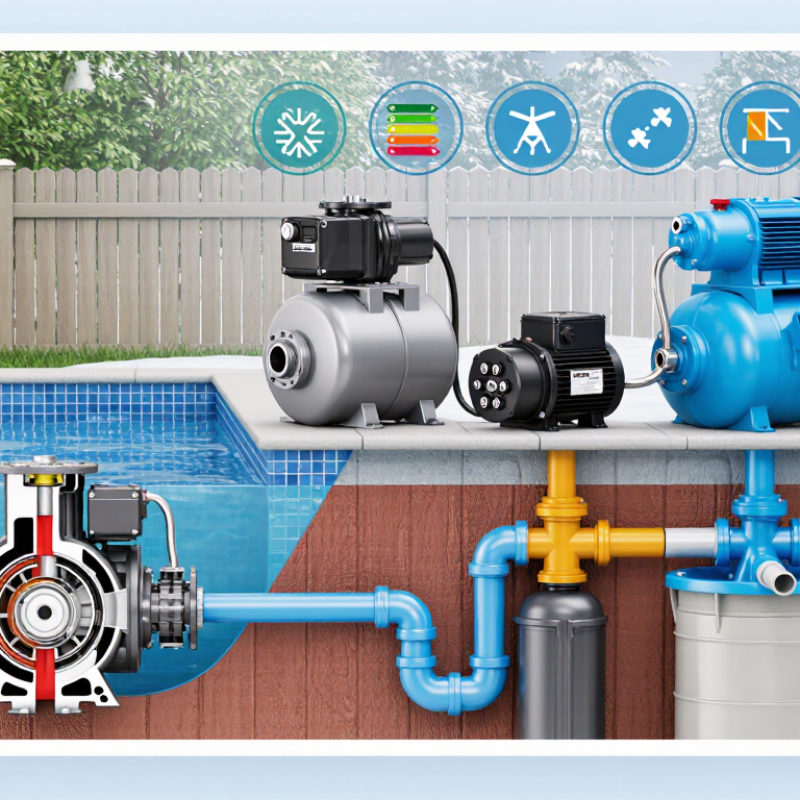
Choosing a pool pump for Canadian conditions starts with understanding what the equipment actually does. The pump pulls water from the pool, pushes it through the filter, and returns cleaner water through the outlets. It may also support heaters, salt systems, or automated cleaners. Good circulation reduces dead spots, but it cannot replace proper filtration or balanced water chemistry.
Common pump types include single-speed, two-speed, and variable-speed models. Single-speed units are simple, but they may use more electricity during long operating periods. Variable-speed pumps adjust output for filtering, heating, or cleaning. This often lowers energy use and operating noise. Above-ground and in-ground pools can require different connection sizes and installation layouts. Check carefully.
Flow rate describes how much water moves, usually in litres per minute or gallons per minute. Total dynamic head measures resistance from pipe length, elbows, filters, and elevation. Both numbers matter. Horsepower alone does not prove performance. A powerful pump can waste energy or overload a small filter. Turnover time estimates how long one complete pool volume takes to circulate. It is useful, but not perfect.
For global buyers, confirm voltage, frequency, plumbing dimensions, certification, and winter storage requirements before ordering. Canadian winters make draining and freeze protection especially important. Noise ratings also deserve attention near bedrooms or patios. I would not choose from a product photograph alone. Real installations reveal vibration, restricted flow, and awkward access for cleaning. A local professional can verify system compatibility, although even professional advice should be checked against the equipment manual.
Canadian pool conditions can change pump performance more than many global buyers expect. Long winters bring freezing temperatures, snow, and repeated freeze-thaw cycles. These conditions can damage exposed plumbing and pump housings when winterization is incomplete. Coastal regions may also add humidity and salt-laden air. Inland areas often face very dry summers and hard water.
Pump selection should match both the pool and its operating season. A self-priming model helps when the equipment pad sits above water level. Variable-speed control can reduce energy use during long filtration periods. However, maximum flow is not always better. Oversized pumps may create noisy operation, higher power demand, and unnecessary filter pressure. Measure pipe diameter, pool volume, filter resistance, and required turnover before choosing. Small details matter.
Cold-weather design needs practical attention. Look for durable materials, protected seals, and accessible drain points. Place the pump on a raised, stable base to reduce contact with melting snow. In my experience, buyers often focus on horsepower first. That approach can fail. I once underestimated winter drainage around an equipment pad, and repeated icing caused avoidable maintenance. Global buyers should also confirm voltage, frequency, electrical protection, and local installation requirements. Canadian specifications may not match every market. A qualified technician should verify compatibility before operation.
Comparing the best pool pumps in Canada for 2026 requires more than reading horsepower figures. Start with the pool volume, plumbing length, filter resistance, and required turnover time. A pump rated at 2 horsepower may waste energy if the system needs only moderate flow.
ENERGY STAR reports that certified variable-speed pool pumps can use up to 65% less energy than conventional single-speed models. That difference matters during Canada’s long operating season.
Ask suppliers for tested flow curves, not only maximum flow. Match the curve to your system’s total dynamic head, measured in metres or feet.
A practical comparison uses annual consumption: watts multiplied by operating hours, divided by 1,000. For example, a 1,000-watt pump running eight hours daily uses about 2,920 kWh yearly. Electricity rates vary across provinces, so global buyers should calculate local costs before comparing purchase prices. The U.S. Department of Energy’s pool-pump efficiency work also emphasizes lifecycle energy costs, rather than motor size alone.
Check 230-volt and 60-hertz compatibility, CSA or equivalent electrical certification, weather protection, and service access. Canadian installations may face freezing conditions, so winter drainage and housing protection deserve close attention.
Ask about minimum flow, noise measured in decibels, warranty terms, and replacement-controller availability. I would also inspect the basket lid and unions in person; small leaks become expensive maintenance.
Some online specifications remain incomplete. That is a weakness worth questioning, not ignoring. A pump may appear efficient on paper yet perform poorly with a clogged filter or undersized pipe.
For global buyers, the best pool pumps in Canada in 2026 should balance efficiency, quiet operation, durability, and control.
A variable-speed motor usually performs better than a single-speed design. The U.S. Department of Energy reports potential energy savings of up to 70% in suitable pool applications.
Actual savings depend on plumbing resistance, pool size, and daily runtime. Cold Canadian conditions also demand reliable seals and freeze-protection settings.
Noise matters near patios and bedrooms. Choose a published sound rating, ideally below 60 dB during normal filtration.
Manufacturers do not always test noise under identical conditions, so comparisons can be imperfect. That weakness deserves attention.
Look for corrosion-resistant hardware, replaceable seals, and an enclosure rated for wet environments.
The U.S. Department of Energy’s pool-pump motor standards also reinforce the importance of efficient motor performance.
Tips:
Select flow rates using the pool’s real turnover requirement, not the highest advertised capacity. Oversized pumps can waste electricity and increase pressure.
Smart scheduling can reduce operation during expensive utility periods. Check whether the controller supports common automation protocols before purchasing.
ENERGY STAR guidance also encourages efficient operation and proper sizing. Keep filters clean, because a blocked filter makes the pump work harder.
A quiet pump is valuable, but service access may matter more after several winters.
Buying a Canadian pool pump for use overseas requires more than comparing flow rates. Start with the pool’s volume, pipe diameter, required turnover time, and local electrical supply. Canadian models may use different voltage, frequency, plugs, or certification requirements. Confirm these details with a qualified electrician before ordering.
A pump should arrive with clear technical documents, wiring diagrams, replacement-part information, and protection guidance. Ask the seller about export packaging and climate exposure during transit. Humid ports, freezing warehouses, and long storage can damage seals. Small details matter. Measure twice.
Installation needs a level, dry base with enough space for servicing. Use correctly sized pipes and install isolation valves where practical. Keep electrical connections away from splash zones. Never modify wiring casually to solve a compatibility problem. Local rules may require licensed installation, grounding, residual-current protection, or specific enclosure ratings.
Maintenance changes slightly by climate. In dusty regions, inspect the strainer basket more often. In cold areas, drain the housing before freezing weather. Check unusual vibration, rising noise, leaks, and reduced circulation early. A clean filter can lower pump strain, but cleaning it too aggressively may shorten its service life. I have found that maintenance schedules often look perfect on paper, yet seasonal reminders are forgotten. A simple log with dates, pressure readings, and cleaning notes works better. Use genuine specifications, not guesswork, when replacing seals or capacitors.