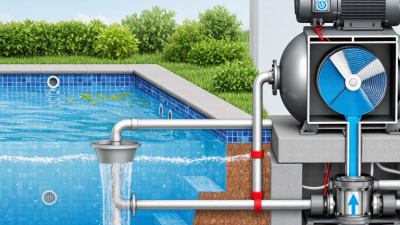
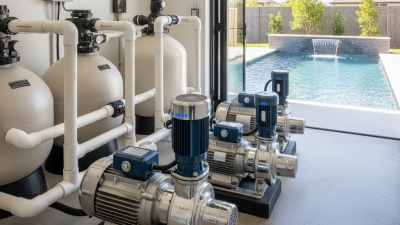
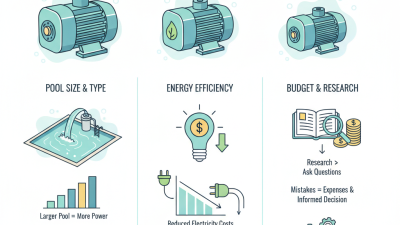
Why Choose Energy Efficient Swimming Pool Motors?
A swimming pool motor runs behind the scenes, yet its electricity use can affect operating costs throughout the season. Energy-efficient swimming pool motors, especially variable-speed models, can adjust flow to suit filtration, heating, and cleaning needs. Lower speeds often use less power, though actual savings depend on pool size, plumbing, runtime, and local electricity rates. The details matter.
Pool-industry educator Steve Goodale’s practical perspective can be expressed this way: “Match the motor’s speed to the pool’s real needs, then check the results.” That advice points to a useful habit: compare energy use and water circulation, not just the motor’s label. A quiet pump beside a clean, clear pool is a tangible sign of a well-matched system—but it is not proof of savings by itself. Check energy bills and manufacturer specifications.
There is no single best motor for every pool. A poorly sized replacement may circulate water inadequately or run longer than expected. Installation and pump settings matter, too. An owner may need professional guidance to assess the existing setup. Efficiency is valuable, but it can be oversold; verify performance after installation, and reconsider the settings if water quality changes.
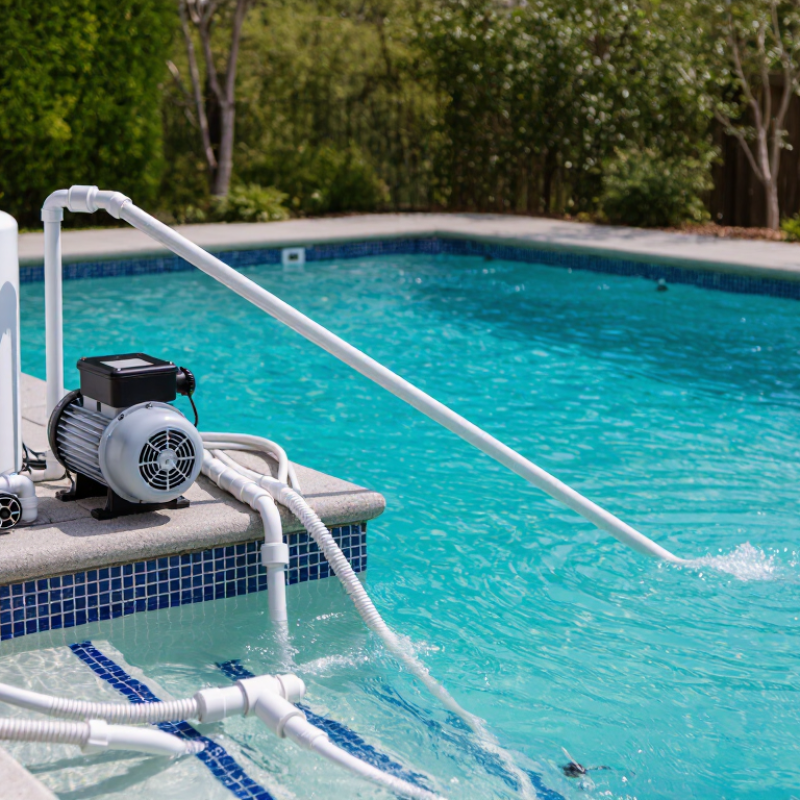
A swimming pool motor drives the pump’s impeller, pulling water through the skimmer and main drain. Leaves collect in the pump basket; finer particles are trapped as water passes through the filter. Clean water then returns through wall jets, creating circulation across the pool. You can often see a small ripple where a return jet pushes water back.
An efficient motor can run at lower speeds for longer periods, matching circulation to the pool’s needs instead of running flat out. ENERGY STAR reports that certified pool pumps can use up to 65% less energy than standard pumps. Actual savings depend on plumbing, filter condition, pool size, and operating schedule. Numbers vary.
Good circulation helps carry debris toward the skimmer and moves treated water through the filter. But a motor alone cannot fix a blocked basket or poorly aimed return jets. Real pools are messier than diagrams. In practice, check the pressure gauge and watch for weak returns; a rising filter pressure may signal that cleaning is due. ENERGY STAR’s pool pump guidance also emphasizes proper sizing, since an oversized pump may waste energy and strain filtration equipment. Lower speed can be quieter, too, though the right setting takes some testing.
What makes a pool motor energy efficient is how well it turns electricity into useful water movement. The motor matters, but so does the pump and its match to the pool’s plumbing. A correctly sized system can circulate water without pushing more flow than filters and fittings need. Less strain. Less wasted power.
Variable-speed motors can run at lower speeds for routine filtration, then increase speed when extra flow is needed. This helps because reducing speed can sharply reduce energy use, though actual savings depend on the pool, schedule, and equipment. A motor’s efficiency rating is useful, but it does not tell the whole story. Pipe diameter, filter condition, and leaks affect performance too. I’ve seen owners focus on the motor alone; that’s an easy detail to miss.
Tips: Check the motor and pump specifications together, and compare their recommended flow range. Keep baskets and filters clean, since blockages can make circulation work harder. If the system hums loudly, runs hot, or struggles to prime, have a qualified pool professional inspect it. Lower speed is not always better; the water still needs adequate circulation for the pool’s setup.
An efficient pool motor can lower operating costs by matching its speed to the task. A single-speed motor may run at full power when gentle circulation is enough. A variable-speed model can move water more slowly during routine filtration. It can increase speed when a cleaner or water feature needs stronger flow. Lower speeds generally use less electricity, though savings depend on pump design, plumbing, operating hours, and local energy rates. Small changes add up.
For example, a pool owner could schedule low-speed circulation overnight and reserve higher speeds for brief tasks. The water still needs adequate circulation and chemical mixing; blindly shortening run time may cause cloudy water or uneven sanitizer levels. Check filter pressure, return flow, and water clarity after adjusting settings. It is tempting to chase the lowest meter reading. That can backfire. An undersized motor, poor settings, or restrictive plumbing may lead to longer run times and limited savings. Efficient operation takes some testing, and the best schedule may change with weather, swimmer use, or added equipment.
An efficient swimming pool motor can deliver the same circulation with less electricity. The U.S. Department of Energy says variable-speed pool pumps can use up to 70% less energy than single-speed models. That difference matters during long filtration cycles, when a pump quietly runs for hours each day. At low speeds, water moves steadily through the filter, rather than rushing through at full power. ENERGY STAR estimates that qualifying efficient pool pumps can save more than $300 annually, though real savings depend on pool size, operating hours, and local electricity rates. The figures are useful, not guarantees.
There is an environmental benefit, too. Lower electricity demand can reduce power-sector emissions, although the impact varies with the local grid’s energy mix. It may also mean less heat and noise around the equipment pad. A practical detail: match the motor’s settings to the pool’s actual filtration needs, and keep baskets and filters clean. A clogged filter can make the system work harder and undermine expected savings. One caveat is easy to miss. High-efficiency equipment does not automatically mean lower bills; installation, plumbing resistance, and daily schedules all affect performance. Checking the pump’s energy use before and after replacement can show whether the improvement is real.
| Comparison Point | Single-Speed Pump Operation | Energy-Efficient Variable-Speed Operation | Why It Matters |
|---|---|---|---|
| Operating approach | Runs at one fixed speed whenever it is switched on. | Speed can be adjusted to suit filtration, cleaning, or other pool-system needs. | Lower speeds can be useful for routine filtration; higher speeds may still be needed for some tasks. |
| Illustrative daily energy use | 2.0 kW × 8 hours = 16 kWh per day. | 0.5 kW × 12 hours = 6 kWh per day. | In this example, the variable-speed schedule uses 10 fewer kWh per day while operating longer. |
| Illustrative annual energy use | 16 kWh/day × 365 days = 5,840 kWh per year. | 6 kWh/day × 365 days = 2,190 kWh per year. | Annual use depends on the pump, plumbing, pool, schedule, and local operating conditions. |
| Illustrative annual energy difference | 3,650 kWh less per year in the variable-speed example—about 62.5% lower than the single-speed example. | This is a calculation from the example inputs, not a guaranteed saving for every pool. | |
| Illustrative electricity-cost difference | At an assumed electricity rate of $0.15 per kWh, 3,650 kWh represents $547.50 per year. | Actual savings vary with electricity rates and the pool’s real energy use. | |
| Noise and operating comfort | Fixed-speed operation may be louder when the pump runs at full speed. | Lower-speed operation is generally quieter than running the same pump at a higher speed. | Noise depends on the pump, installation, distance, and operating speed. |
| Potential environmental benefit | Higher electricity consumption can result in greater indirect emissions from electricity generation. | Using less electricity can reduce associated emissions, depending on the local electricity mix. | There is no single emissions figure that applies everywhere; grid emissions vary by location and over time. |
Important: The energy figures are illustrative calculations, not product test results. They assume a 2.0 kW single-speed schedule for 8 hours per day and a 0.5 kW variable-speed schedule for 12 hours per day. Confirm that any operating schedule provides the circulation and filtration required for your pool, and check local codes and equipment guidance.
Choosing an energy-efficient pool motor starts with the pool’s circulation needs, not the largest horsepower number on a label.
A motor that is too powerful may push water through the filter faster than intended and waste electricity. Too small, and it may struggle to maintain useful flow. Fit matters. Check the pump’s flow requirements, plumbing diameter, filter limits, and water features that run at the same time.
A pool technician can compare these details with the pump’s performance curve; estimates from memory are often rough.
A variable-speed motor can reduce energy use by running longer at lower speeds for routine filtration. Increase speed when backwashing or operating a cleaner requires it.
Ask whether the existing pump housing and controls are compatible before buying a replacement. Consider daily runtime, electrical supply, warranty terms, and service access, not just the advertised efficiency figure.
Not just watts.
A quiet motor beside a bedroom window is a real benefit, as is a clear control panel that makes schedules easy to adjust.
Savings depend on setup and use, so actual results may differ from estimates. Recording current runtime and power use helps, though those readings are not always perfectly precise.