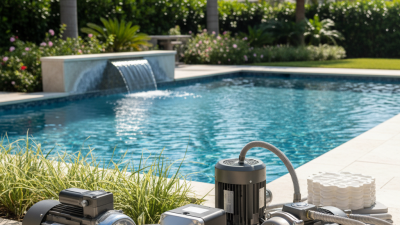
Top Electric Pool Pumps for Global Buyers
Choosing among electric pool pumps is no longer only a horsepower decision. Energy prices, water conditions, and equipment standards vary widely across markets. The U.S. Department of Energy’s pool-pump efficiency rules and ENERGY STAR criteria show why motor efficiency deserves serious attention. Their technical frameworks favor measurable performance, not attractive packaging. For global buyers, that distinction matters. A pump may look powerful yet waste electricity during long filtration cycles. Quiet operation helps too, especially beside homes, hotels, and apartment pools.
The International Energy Agency’s Energy Efficiency 2023 report identifies efficient motors and improved controls as practical ways to reduce electricity demand. Variable-speed technology reflects that direction. It can run slowly for routine filtration, then increase flow during cleaning or heating. The exact saving is not universal. It depends on pool volume, piping resistance, climate, runtime, and tariff structure. A laboratory figure may not match a humid coastal site or a dusty resort installation. That is where careful comparison becomes valuable.
This guide examines top electric pool pumps for global buyers through efficiency, flow control, noise, durability, installation, warranty support, and certification. It also considers 50 Hz and 60 Hz supply, regional voltage, and local service access. Certification should be verified for the destination market. It is easy to overlook. Experience suggests that the cheapest purchase can become expensive when seals, controllers, or replacement parts are difficult to source. Still, efficiency claims require skepticism. A premium pump is not automatically the best pump. Buyers should match tested flow performance with actual hydraulic needs, then calculate total ownership cost. That approach is less glamorous, but more dependable.
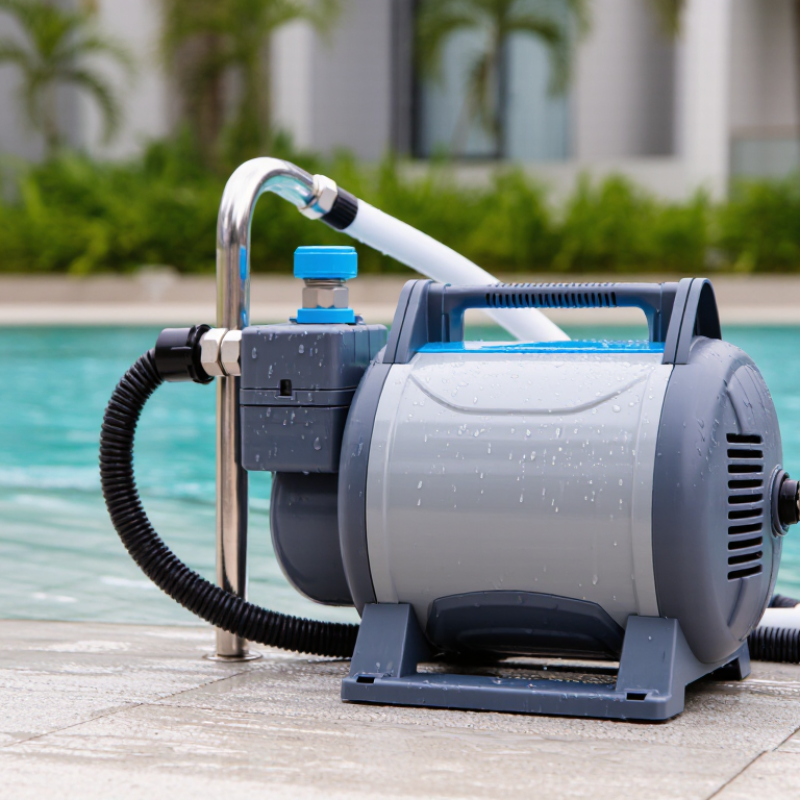
Pool Pump Fundamentals: Flow, Head Pressure, and Motor Technology
Top Electric Pool Pumps for Global Buyers
Pool Pump Fundamentals: Flow, Head Pressure, and Motor Technology
Choosing an electric pool pump starts with flow, not horsepower. Flow describes how much water moves through the system each minute. A properly sized pump should support the pool’s required turnover without forcing excessive pressure through the pipes. Many buyers overestimate capacity. Bigger is not always better.
Head pressure is the resistance the pump must overcome. It includes pipe length, elbows, filters, heaters, drains, and elevation changes. A pump may show strong flow in a test tank, then perform differently beside a real pool. Check the performance curve at the expected head, measured in feet or meters. This detail is often missed. It should not be.
Motor technology affects noise, energy use, and control. Single-speed motors are simple, but they run at full power whenever switched on. Variable-speed motors can reduce speed during filtration and increase it for cleaning cycles. Lower speed often produces less noise and saves energy, though the purchase price may be higher. The actual saving depends on operating hours, electricity rates, water temperature, and system resistance.
Global buyers should also verify voltage, frequency, enclosure protection, and local electrical certification. A pump designed for one power system may not suit another. Installation quality matters too. Poorly sealed connections, undersized pipes, or a blocked basket can damage performance quickly. Even careful sizing has limits, because pool use and weather change throughout the year.
Top Electric Pool Pumps for Global Buyers — Flow, Head Pressure, and Motor Technology
This chart compares representative operating points for common pool-pump motor technologies. Flow is shown at approximately 10 m of total dynamic head, while motor input indicates typical electrical power for residential and light-commercial circulation systems. Actual performance varies with pipe diameter, filter condition, plumbing length, water features, and pump curve design.
Variable-Speed Pumps: Up to 90% Lower Energy Use Than Single-Speed Models
Top Electric Pool Pumps for Global Buyers
Variable-speed pumps can use up to 90% less energy than single-speed models. The exact saving depends on pool size, plumbing, filtration, and daily run time. A slower speed often moves water efficiently while using far less power. Higher speeds remain useful for cleaning, heating, or salt-system operation. In practice, many pool owners notice quieter circulation and steadier water clarity. The 90% figure is attractive, but it is not a promise. Real results require correct sizing and thoughtful programming.
For global buyers, check voltage, frequency, motor certification, and local installation requirements before ordering. An oversized pump may waste electricity, even when its motor can slow down. An undersized pump may struggle with long pipe runs or raised equipment. Measure the distance between the pool and equipment pad. Also inspect filter pressure after installation. A clean filter and open valves help the pump work efficiently. I would not trust energy claims without comparing measured operating watts.
Tips: Begin with a low-speed schedule during quiet circulation hours. Increase speed briefly when filtration demand rises. Clean baskets regularly. Record daily run time and power use for one month. Small adjustments can reveal more than a dramatic sales claim. A qualified technician should verify wiring and flow before regular use.
Sizing Example: A 50,000-L Pool Needs About 104 L/min for 8-Hour Turnover
Top Electric Pool Pumps for Global Buyers
A 50,000-liter pool contains a substantial volume of water. For an eight-hour turnover, divide 50,000 liters by 480 minutes. The result is about 104 liters per minute, or 6,250 liters per hour. This is the minimum water movement required under ideal conditions.
Real systems need more careful sizing. Pipe length, elbows, elevation, filters, heaters, and saltwater equipment all create resistance. A pump rated at 104 L/min may deliver much less after installation. Check its performance curve at the expected total dynamic head, not only its maximum flow figure. A pressure gauge and flow meter can reveal whether the system is meeting its target.
Variable-speed electric pumps can reduce energy use by running slowly during normal filtration. Higher speed may be useful for cleaning or water features. However, oversized pumps can increase noise, filter pressure, and electricity costs. Undersized pumps may leave cloudy areas near steps and corners. A common mistake is trusting the pool volume alone. I have seen calculations look correct on paper, yet fail because the plumbing was restrictive.
For global buyers, confirm the local voltage, frequency, enclosure rating, and electrical certification before purchase. Installation should include proper bonding, grounding, and protection by a qualified professional. Measure the actual flow after commissioning. That final check is easy to skip, but it often exposes the difference between a neat calculation and a reliable pool system.
Global Compliance: IEC 60335-2-41, UL 1081, and IP Protection Ratings
For global buyers, an electric pool pump is more than a motor with a strainer. Its safety profile must match the destination, installation method, and local inspection expectations. IEC 60335-2-41 addresses safety for pumps used with swimming pools and similar equipment. It helps assess insulation, leakage current, heating, mechanical strength, and abnormal operation. A certificate alone is not enough. Ask for the exact model, test scope, and current report.
UL 1081
UL 1081 is commonly referenced for household swimming pool pumps and related equipment in North American supply chains. Buyers should confirm whether the tested configuration matches the supplied motor, controller, voltage, and cord set. Small changes can matter. A different impeller or enclosure may affect safety results. Qualified laboratories and traceable production records make compliance claims more credible.
IP protection ratings
IP protection ratings describe resistance to solid objects and water ingress under defined test conditions. For example, IP55 indicates dust protection and resistance to water jets, but it does not mean the pump is submersible. The rating must suit the pump room, splash zone, and maintenance routine. Look for clear markings, installation instructions, grounding details, and accessible service information. In practice, buyers sometimes focus on efficiency and overlook cable glands or drainage. That mistake is understandable, yet costly. Reviewing the complete product file with a competent inspector is wiser than trusting a sales sheet.
Comparing Top Pumps: Efficiency, Noise, Warranty, Voltage, and Total Cost
Top Electric Pool Pumps for Global Buyers
Choosing an electric pool pump requires more than reading the wattage label. Efficiency depends on motor design, flow settings, pipe size, and daily operating hours. A variable-speed model may use less energy during filtration, while a fixed-speed unit can cost less initially. However, the cheaper purchase price is not always the cheaper choice.
Noise matters near bedrooms, patios, and shared apartment spaces. Ask for sound data, but remember that installation affects real results. Poorly secured pipes can create vibration. Voltage must match your location, such as 110–120V or 220–240V, including frequency and phase requirements. Never rely on an adapter without checking electrical compatibility.
Tips: Calculate total cost over five years. Include electricity, installation, replacement seals, shipping, and possible service visits. Read the warranty carefully. Some warranties cover the motor but exclude labor or damage caused by unstable voltage. I once focused too heavily on efficiency and underestimated repair access. That was a useful mistake. A pump with slightly higher consumption may still be practical if parts and technicians are readily available. Check certification, local support, and the manufacturer’s stated flow rate under realistic pressure, not ideal test conditions.
Top Electric Pool Pumps for Global Buyers – Comparing Efficiency, Noise, Warranty, Voltage, and Total Cost
| Anonymous Pump Profile |
Typical Pool Application |
Reference Flow Rate |
Electrical Input |
Energy Intensity |
Typical Noise Level |
Voltage and Frequency |
Typical Warranty |
Indicative Purchase Price |
Five-Year Energy Cost |
Estimated Five-Year Total Cost |
| Variable-Speed Premium |
Large residential pools, frequent filtration, and lower-speed circulation |
18–30 m³/h |
0.35–1.50 kW
Reference point: 0.75 kW |
Approximately 42 Wh/m³ |
38–52 dB(A) |
220–240 V
50/60 Hz, single phase |
3–5 years |
$600–$1,100
Benchmark: $850 |
$1,200 |
$2,050 |
| Variable-Speed Mid-Range |
Medium residential pools with programmable daily filtration |
12–22 m³/h |
0.20–1.10 kW
Reference point: 0.55 kW |
Approximately 36 Wh/m³ |
40–55 dB(A) |
115/230 V
50/60 Hz, single phase |
2–4 years |
$400–$750
Benchmark: $575 |
$880 |
$1,455 |
| High-Efficiency Compact |
Small pools, plunge pools, and compact filtration systems |
8–14 m³/h |
0.15–0.75 kW
Reference point: 0.37 kW |
Approximately 31 Wh/m³ |
42–57 dB(A) |
115/230 V
50/60 Hz, single phase |
2–3 years |
$300–$600
Benchmark: $450 |
$592 |
$1,042 |
| Single-Speed High-Flow |
Large pools, water features, spas, and systems requiring strong peak flow |
20–32 m³/h |
0.75–1.50 kW
Reference point: 0.90 kW |
Approximately 50 Wh/m³ |
58–68 dB(A) |
230 V
50/60 Hz, single phase |
1–3 years |
$220–$450
Benchmark: $335 |
$1,440 |
$1,775 |
| Single-Speed Standard |
Small-to-medium pools with a simple timer-based filtration schedule |
10–18 m³/h |
0.40–0.90 kW
Reference point: 0.45 kW |
Approximately 45 Wh/m³ |
55–65 dB(A) |
115/230 V
50/60 Hz, single phase |
1–3 years |
$180–$350
Benchmark: $275 |
$720 |
$995 |
Cost basis: Five-year energy costs assume 2,000 operating hours per year, an electricity rate of $0.16 per kWh, and the reference-point electrical input shown above. Estimated five-year total cost equals the benchmark purchase price plus five-year energy cost; installation, replacement parts, taxes, shipping, and local service charges are excluded. Noise figures are typical operating ranges and may vary with installation, plumbing, water level, and operating speed. Voltage availability and warranty terms should be verified for the destination market before purchase.