How to Choose the Right Swimming Pool Pumps and Motors?
Choosing the right swimming pool pumps and motors is crucial for maintaining a clean and efficient pool. These components are the heart of your pool system. They keep the water circulating, filtered, and well-balanced. However, selecting the right equipment can be overwhelming, especially for first-time pool owners.
Many factors come into play when selecting swimming pool pumps and motors. You need to consider the size of your pool, the pump's energy efficiency, and the specific features that suit your needs. A common mistake is overlooking these aspects, which can lead to increased costs and ineffective pool maintenance. Each pool has its own requirements, and one size does not fit all.
It's vital to consult experts or read guidelines on swimming pool pumps and motors. Reliable reviews and expert opinions can help you make an informed decision. Remember, investing time in research pays off in the long run. Your choice not only affects your pool's performance but also your overall enjoyment. A well-chosen pump can save you money and enhance your swimming experience.
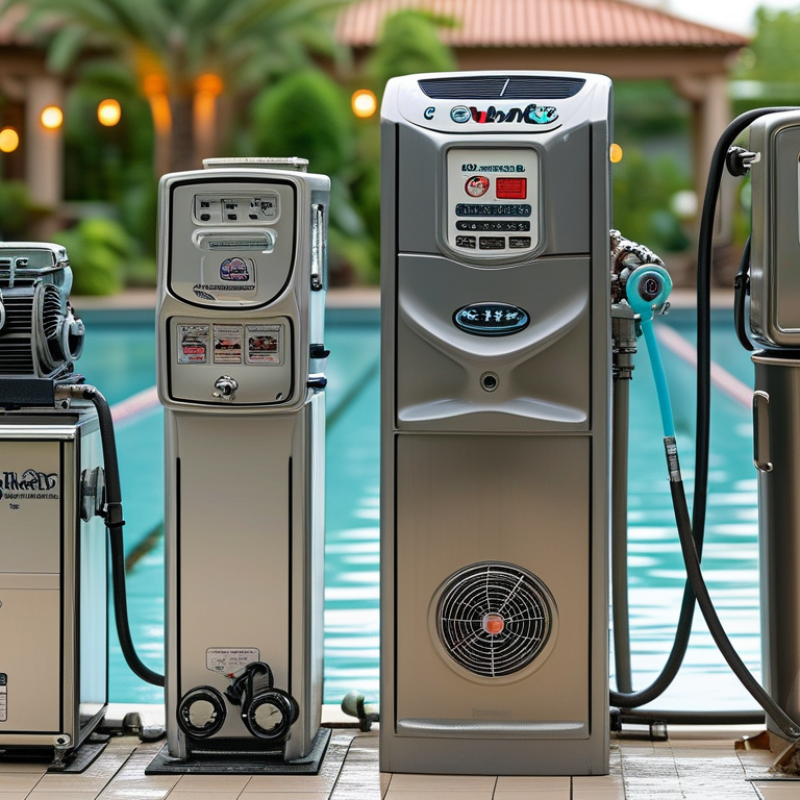
Understanding the Importance of Pool Pumps and Motors in Pool Maintenance
Selecting the right swimming pool pumps and motors is crucial for effective pool maintenance. Pool pumps play a significant role in water circulation, ensuring clean and healthy water. According to the Pool & Spa Association, nearly 30% of all pool-related maintenance issues stem from inadequate pump performance. This highlights the importance of selecting suitable equipment.
Pumps and motors also influence energy efficiency. The U.S. Department of Energy states that swimming pool pumps can account for up to 25% of a household's energy consumption. Energy-efficient models can reduce this number significantly. Therefore, choosing the right pump not only benefits water quality but also lowers utility costs over time.
Moreover, it is essential to consider the flow rate and total dynamic head when selecting pumps. Experts recommend that the flow rate should be matched to the pool size. If the pump is too large, it can lead to excessive wear and noise. Conversely, an undersized pump may not circulate water effectively. Understanding these factors can lead to better decisions, improving overall pool health and minimizing long-term maintenance issues.
Key Factors to Consider When Selecting a Swimming Pool Pump
Choosing the right swimming pool pump can significantly impact your pool's maintenance and efficiency. When selecting a pump, consider the size of your pool. A pump that is too small will struggle to keep the water clean. Conversely, a pump that is too large can lead to unnecessary energy costs. Calculating the correct flow rate is crucial. Aim for a turnover rate that matches your pool's volume for optimal filtration.
Energy efficiency is another critical factor. Look for pumps with variable speeds. These pumps consume less energy, reducing your electricity bills. Remember, installing a more efficient pump can be an upfront investment. However, the long-term savings justify this additional cost. Inspecting your local energy regulations can provide insights into rebates for energy-efficient systems.
Pay attention to the materials used in the pump's construction. Durable materials extend the lifespan of the pump. Plastic pumps may be lighter, but metal options generally offer more robustness. A pump’s noise level can also be a consideration. Some pumps operate quietly, while others may disrupt your peace. Take time to research user reviews and product specifications. Each pool has unique requirements, and finding the perfect match may take effort.
How to Choose the Right Swimming Pool Pumps and Motors?
| Key Factors |
Description |
Importance Level |
| Pump Type |
Determine whether you need a single-speed, dual-speed, or variable-speed pump based on pool size and usage. |
High |
| Horsepower |
Select based on the pool volume; more horsepower is necessary for larger pools. |
High |
| Energy Efficiency |
Look for energy-efficient models to reduce operational costs in the long run. |
Medium |
| Noise Level |
Consider the sound output; quieter models are preferred for residential areas. |
Medium |
| Durability |
Evaluate materials used; corrosion-resistant materials increase lifespan. |
High |
| Ease of Maintenance |
Choose models that are easy to clean and service; simplifies upkeep. |
Medium |
| Compatibility |
Ensure the pump is compatible with existing pool equipment and plumbing. |
High |
Different Types of Swimming Pool Pumps and Their Applications
Choosing the right swimming pool pump involves understanding the various types available and their specific applications. Centrifugal pumps are popular due to their effectiveness in maintaining water circulation. They operate by using rotational energy to move water, making them ideal for residential pools. According to the Pool & Hot Tub Alliance, these pumps typically have efficiency ratings ranging from 60-90% depending on usage.
Another commonly used type is the positive displacement pump. Unlike centrifugal pumps, they work by trapping a fixed amount of water and forcing it into the pool's circulation system. These pumps are suitable for spas and smaller pools where a steady flow is crucial. Research indicates that these pumps can save up to 30% more energy compared to traditional models, making them an eco-friendly choice.
Consider these points: not all pumps are created equal. Assess your pool size and specific needs for optimal performance. Regular maintenance is vital; a neglected pump can lead to inefficiencies and increased operational costs. Take the time to monitor pump performance. An underperforming unit may indicate the need for repairs or replacement. By understanding the different types of pumps and their applications, pool owners can ensure efficient operation and longevity of their equipment.
Evaluating Pump Motor Specifications for Optimal Performance
When selecting the right swimming pool pump motors, understanding motor specifications is crucial for optimal performance. The horsepower, or HP, of the motor plays a vital role. A higher HP means more power, but too much power can lead to inefficient energy use. Sizing the motor correctly is essential, as an oversized motor can cause rapid wear and tear. It's a delicate balance that requires careful assessment.
Voltage is another significant factor. Most pumps operate at 115V or 230V. Choosing the right voltage ensures efficiency and compatibility with existing electrical systems. A pump that runs at the wrong voltage might underperform or overheat, leading to potential failures. Always consider electrical requirements when making a decision.
Efficiency ratings such as TEFC (Totally Enclosed Fan Cooled) are also worth evaluating. These ratings indicate how well the motor converts electrical energy into mechanical energy. Higher efficiency generally means lower operating costs. However, it can sometimes lead to upfront costs. There’s always a compromise between immediate expenditures and long-term savings.
Reflecting on these specifications can help in making a more informed choice. Investing time in evaluation may prevent future complications. Remember, it is always better to ask questions and seek advice when in doubt. Choosing wisely ensures that your swimming pool remains a pleasant oasis rather than a source of frustration.
Common Mistakes to Avoid When Choosing Pool Pumps and Motors
Choosing the right swimming pool pumps and motors can be daunting. Many people overlook critical factors leading to poor performance. One common mistake is prioritizing price over quality. While budget is essential, investing in reliable equipment pays off long-term.
Another mistake is neglecting the pump capacity. It's vital to ensure that the pump’s flow rate matches your pool size. Underpowered pumps will struggle, while oversized ones waste energy. Proper sizing is crucial for efficient operation and maintaining water clarity.
When selecting, consider the type of motor. Energy-efficient models reduce operational costs. They may have a higher upfront cost but lower electricity bills. Always check for warranties and service options to ensure long-term reliability.
For better results, consult with pool professionals. They can provide insights tailored to your specific pool needs. Don’t rush your decision; take time to evaluate all options thoroughly. Each choice impacts your pool's maintenance, energy consumption, and longevity.