How to Choose Pool Pump Motors for Your Project?

Choosing the right pool pumps motors begins with understanding the pool, not simply selecting the largest horsepower rating. A motor that looks powerful on a product page may waste energy, create excess noise, or fail early when paired with the wrong impeller. Pool professionals commonly evaluate flow rate, total dynamic head, voltage, plumbing size, operating hours, and climate before recommending a model.

Pool industry educator Rudy Stankowitz describes the pump as “the heart of the pool’s circulation system.” That comparison is practical. The motor drives circulation, while the pump assembly moves water through filters, heaters, chlorinators, and return lines. A mismatch can feel like a blocked artery. Water moves slowly. Pressure rises.

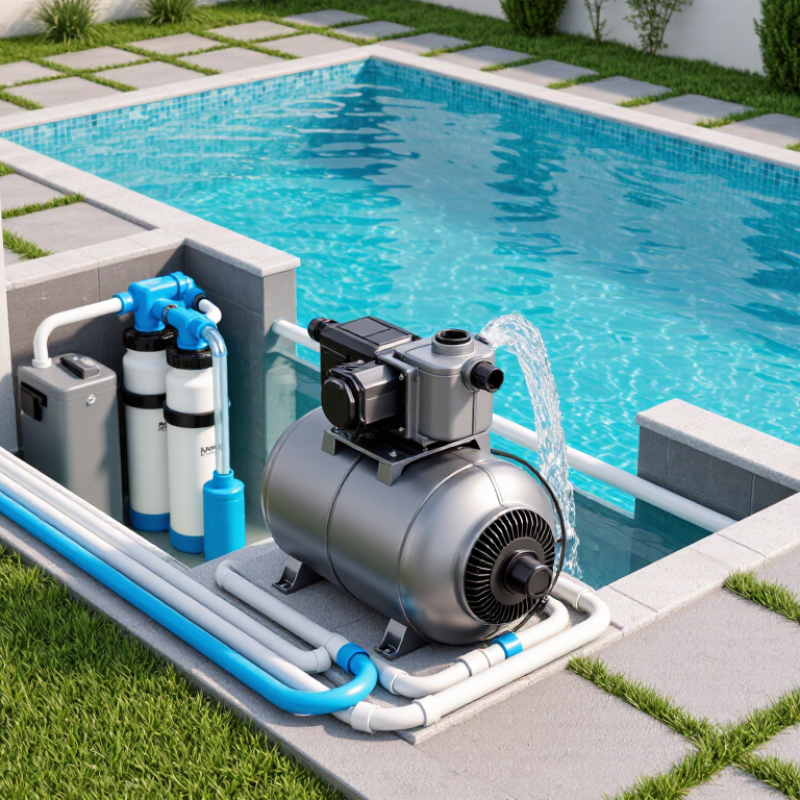
Start with the manufacturer’s performance curve. It shows how much flow the pump can deliver at different resistance levels. Variable-speed motors often provide better control for residential pools, especially when filtration runs for many hours. They may also reduce operating costs, but savings depend on programming, plumbing design, and local electricity prices.

Do not ignore installation conditions. Confirm the available voltage, enclosure rating, ventilation, shaft compatibility, and service requirements. A wet equipment pad, loose connection, or undersized cable can shorten motor life. Licensed professionals should handle electrical work where local rules require it.

Bigger is not always better.

One imperfect assumption deserves attention: estimated flow is not measured flow. Pressure gauges, flow meters, and real operating observations can reveal problems that specifications miss. Choose pool pumps motors through verified data, careful installation, and realistic maintenance expectations. That approach is less dramatic, but usually more dependable.
How to Choose Pool Pump Motors for Your Project?

Define Your Pool’s Pumping Requirements

Before choosing a pool pump motor, define the water movement your project actually requires. Measure the pool’s volume, then estimate the desired turnover time. Residential pools often need one complete circulation within several hours, but local codes and site conditions may differ. Do not rely on motor horsepower alone.

Calculate the required flow rate from pool volume and operating time. Then estimate total dynamic head, including pipe length, elbows, filters, heaters, valves, and elevation changes. A narrow pipe can create surprising resistance.

My early estimates were too optimistic because I ignored a heavily loaded filter. The pump later struggled to maintain steady circulation.

Record the pool’s daily use, cleaning schedule, and expected water features. A quiet residential pool may need a different motor duty pattern than a pool with fountains or frequent debris. Variable-speed operation can reduce energy use, but only when the hydraulic system supports it. Check the motor’s service rating, voltage, efficiency, enclosure, and compatibility with the pump wet end. Ask a qualified installer to verify the calculations. Small errors matter. A pump that is too weak may leave cloudy water, while an oversized motor can waste energy and increase system stress.

Compare Motor Types, Power Ratings, and Speeds

How to Choose Pool Pump Motors for Your Project?

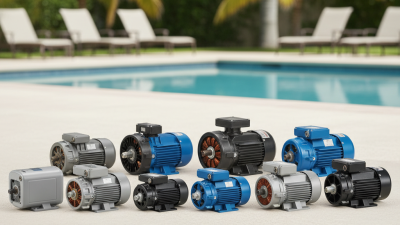
Choosing a pool pump motor starts with the motor type. Single-speed induction motors are simple, familiar, and often less expensive. However, they use full power whenever they run. Dual-speed motors reduce speed during filtration, then increase it for cleaning or heating. Variable-speed motors offer finer control and usually consume less energy. Their higher purchase price needs careful comparison with expected operating hours.

Power ratings must match the pump’s hydraulic demand, not just the pool size. Check the required flow rate, total dynamic head, voltage, and service-factor rating. A motor with excessive horsepower may waste electricity and stress the plumbing. An undersized motor may struggle to maintain circulation. Measure pipe length, filter resistance, and elevation changes before deciding. Small details matter here.

Speed selection affects comfort, noise, and maintenance. Low speed suits routine filtration and creates less turbulence around skimmers. Higher speed supports cleaners, water features, and rapid turnover. A programmable motor can run several daily cycles instead of one long, expensive cycle. I would still verify the manufacturer’s performance curve and local electrical requirements. Calculations can be imperfect when old pipes or clogged filters are involved. Recheck them on site. Also leave room for seasonal changes, because warmer water and heavier use can alter circulation needs.

How to Choose Pool Pump Motors for Your Project? – Compare Motor Types, Power Ratings, and Speeds
Motor Type Typical Power Range Typical Speed Configuration Control Method Energy Use Best-Fit Applications Key Advantages Important Considerations
Single-Speed Induction Motor 0.5–3.0 hp
(approximately 0.37–2.24 kW)
Fixed speed, commonly around 3,450 rpm at 60 Hz Basic on/off control, timer, or relay Highest energy consumption among the options when operated for long periods Small pools, seasonal use, simple replacement projects, and installations with limited controls Simple design, widely available, straightforward installation, and generally lower initial cost Runs at full speed whenever it is on; may create higher operating costs and more hydraulic noise
Two-Speed Induction Motor 0.5–3.0 hp
(approximately 0.37–2.24 kW)
Low and high speed; high speed is often near 3,450 rpm at 60 Hz Two-speed timer, external controller, or automation system Lower than single-speed operation when low speed is used for routine filtration Residential pools requiring daily circulation and occasional high flow for cleaning or water features Provides a practical balance between basic control and reduced energy use Requires compatible controls and correct low-speed priming and heating-flow settings
Permanent-Magnet Variable-Speed Motor 1.0–5.0 hp
(approximately 0.75–3.73 kW)
Adjustable speed, commonly about 600–3,450 rpm at 60 Hz Integrated keypad, external automation, or digital communication Typically the lowest energy use for long filtration cycles because speed can be matched to flow demand Large residential pools, commercial pools, energy-conscious projects, and systems with changing flow requirements Fine speed adjustment, quieter low-speed operation, soft starting, and improved scheduling flexibility Higher purchase cost; performance depends on correct programming, hydraulic sizing, and controller compatibility
Electronically Commutated Motor (ECM) Commonly 0.5–3.0 hp
(approximately 0.37–2.24 kW)
Variable or multi-speed, depending on the controller and motor design Integrated electronics, low-voltage signal, or compatible automation control Generally efficient at reduced speeds and partial-load conditions Retrofit projects, compact equipment rooms, and applications needing efficient low-flow circulation Efficient electronic commutation, good controllability, and reduced heat generation compared with some conventional designs Must be matched with the correct pump, voltage, control signal, and environmental protection rating
Single-Phase Motor Commonly 0.5–3.0 hp
(approximately 0.37–2.24 kW)
Fixed, two-speed, or variable speed depending on the motor design Residential supply, timer, relay, or automation system Depends mainly on motor efficiency, speed, duty cycle, and hydraulic load Most residential pools where single-phase electrical service is available Compatible with common residential electrical infrastructure Verify voltage, frequency, full-load current, wiring, breaker capacity, and local electrical requirements
Three-Phase Motor Typically 1.0–15 hp
(approximately 0.75–11.19 kW)
Fixed or variable speed through a suitable drive Three-phase starter, variable-frequency drive, or building automation system Often suitable for efficient, continuous-duty operation in larger systems Commercial pools, public aquatic facilities, water features, and high-flow circulation systems Well suited to larger loads, continuous operation, and industrial-style control systems Requires available three-phase service and qualified electrical installation; may be unsuitable for typical homes
TEFC Motor
(Totally Enclosed Fan-Cooled)
Commonly 0.5–15 hp
(approximately 0.37–11.19 kW)
Fixed, two-speed, or variable speed Depends on the selected motor and control package Varies by motor efficiency and operating speed Outdoor installations and equipment rooms exposed to dust, moisture, or splash Enclosed construction helps protect internal components from external contaminants The enclosure does not make the motor waterproof; ventilation, drainage, bonding, and installation clearances remain necessary
High-Service-Factor Motor Commonly 0.75–5.0 hp
(approximately 0.56–3.73 kW)
Usually fixed speed; variable-speed versions are also available Timer, relay, or automation system Can operate reliably under specified load conditions, but energy use still depends on speed and runtime Systems with demanding operating conditions, elevated water temperature, or higher hydraulic resistance Provides additional allowable operating capacity when correctly matched to the pump and electrical system Service factor is not a substitute for proper horsepower, flow, head, voltage, and overload protection selection

Check Voltage, Frame Size, and Installation Compatibility

How to Choose Pool Pump Motors for Your Project?

Check Voltage, Frame Size, and Installation Compatibility

Choosing a pool pump motor starts with the nameplate, not the motor’s appearance. Confirm the required voltage, phase, frequency, and service rating. A motor marked for 230 volts may not suit a 115-volt supply. Check the electrical panel and cable run, too. I once saw a replacement motor installed without checking frequency. It operated, but its performance felt inconsistent. That was avoidable.

Frame size controls whether the motor fits the pump housing and mounting base. Compare the bolt pattern, shaft diameter, shaft length, and mounting orientation. Even a small mismatch can cause vibration or seal damage. Measure the existing motor carefully. Do not rely only on photographs. My early checklist missed shaft length, which created unnecessary rework. It looked simple.

Installation compatibility includes plumbing space, airflow, wiring access, and weather protection. Leave enough clearance around the motor for cooling and future service. Confirm that conduit connections align with the junction box. The motor should sit level, with no strain on attached pipes. A qualified electrician should verify grounding, overload protection, and local code requirements. Test the pump after installation, listening for grinding, humming, or unusual vibration. Stop if anything feels wrong. A quiet first run is useful, but it does not prove every measurement was correct.

Evaluate Efficiency, Durability, and Maintenance Needs

How to Choose Pool Pump Motors for Your Project?

Choosing a pool pump motor starts with matching flow, head pressure, and operating hours. An efficient motor should deliver the required circulation without consuming unnecessary power. Check the motor’s rated efficiency across its normal load, not only at peak performance. A motor that is too large may waste energy and increase filter stress. A smaller unit may run continuously and wear faster. Numbers matter. Ask for verified performance data and compare it with your system’s actual pipe length, fittings, and elevation.

Tips: Record daily operating hours. Check voltage stability. Leave clear space around the motor for ventilation and service access. Small details prevent expensive surprises.

Durability depends on heat control, moisture protection, bearing quality, and construction materials. For outdoor installations, choose an enclosure suited to wet environments and regular temperature changes. Corrosion-resistant hardware can help near saltwater pools, but it does not remove the need for inspection. Maintenance should be simple. Look for accessible terminals, replaceable seals, visible connection points, and clear service instructions. Listen for grinding sounds or unusual vibration. These signs often appear before failure. A common selection mistake is focusing only on purchase price. I have seen low-cost choices create higher energy and repair expenses later. Still, premium specifications are not automatically useful. Select features that match your water chemistry, climate, and maintenance ability.

Select a Motor That Fits Your Budget and Project Goals

Choosing a pool pump motor starts with project goals, not horsepower alone. A residential pool may need steady filtration, quiet operation, or faster turnover after heavy use. Measure total dynamic head, pipe size, required flow, voltage, and available mounting space. An oversized motor can waste electricity and create unnecessary pressure. It may also shorten filter life.

Budget planning should include purchase price, installation, controls, and electricity. The U.S. Department of Energy’s Energy Saver guidance estimates that a typical pool pump can consume about 2,000 kWh annually. Using the U.S. Energy Information Administration’s 2024 average residential rate of 16.48 cents per kWh, that equals roughly 330 dollars yearly. Local rates and operating schedules will change the result. Variable-speed motors often cost more initially, but their lower-speed filtration cycles can reduce operating costs. ENERGY STAR also identifies certified pool pumps as an energy-efficient option under standardized testing.

For a small pool, compare the lowest practical flow setting with the required turnover time. For a commercial project, examine duty cycles, service-factor limits, enclosure protection, and controller compatibility. Ask for measured performance data, not only marketing claims. I would not choose a motor from horsepower alone. That shortcut can fail. A spreadsheet helps, but real plumbing resistance may differ from design estimates. Leave room for that mistake when setting the budget.

How to Choose Pool Pump Motors for Your Project?

Select a motor that fits your budget and project goals

Estimated annual electricity costs are based on a 1.5 HP-equivalent pool pump operating 6 hours per day at $0.16 per kWh. Fixed-speed motors generally have the lowest initial cost, while variable-speed motors usually provide the lowest operating cost and better long-term efficiency.

Call (416) 661-5667