How to Choose Pool Pumps and Motors?
Choosing pool pumps and motors is not simply a horsepower decision. The right combination must match pool volume, pipe length, filter resistance, elevation, and daily circulation needs. A larger pump is not automatically better. It may create excessive pressure, waste electricity, and shorten filter life.
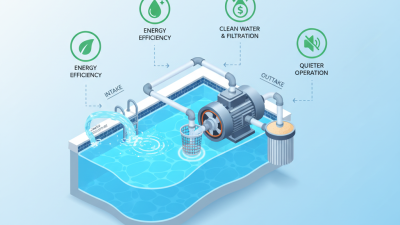
Energy performance deserves close attention. ENERGY STAR reports that certified pool pumps use about 65% less energy than standard models and can save approximately $340 during their operating life. The U.S. Department of Energy’s rulemaking for dedicated-purpose pool pump motors also highlights efficient motor technologies and variable-speed operation as important paths toward lower energy use. These figures are useful, but real savings depend on operating hours, electricity prices, water chemistry, and maintenance habits. Reports provide direction, not a guarantee.
Start with the system’s actual hydraulic requirements. Check the manufacturer’s flow curve, total dynamic head, voltage, inlet size, and control compatibility. A variable-speed motor can reduce speed during ordinary filtration, then increase output during cleaning or heating cycles. That flexibility often matters more than maximum horsepower. However, efficiency labels alone can mislead when a pump is poorly sized. A clean basket, an unclogged filter, and correctly sealed joints also affect performance. Small details matter.
This guide explains how to compare pool pumps and motors with practical judgment. It considers energy ratings, motor construction, noise, installation limits, service access, and long-term reliability. The best choice may not be the newest model. It should be the model that delivers required flow quietly, efficiently, and consistently. That is harder to measure than a brochure suggests.
Define Pool Requirements: Volume, 8–12-Hour Turnover, and Total Dynamic Head
How to Choose Pool Pumps and Motors?
Pool sizing begins with water volume, not horsepower. Measure length, width, and average depth, then multiply the result by 7.5 for approximate gallons. For irregular pools, divide the shape into smaller sections. The target is usually one complete water turnover every 8–12 hours. A 24,000-gallon pool needing an eight-hour turnover requires 3,000 gallons per hour, or about 50 gallons per minute. The Pool & Hot Tub Alliance references turnover and circulation requirements in ANSI/PHTA/ICC standards, but local codes may differ.
Total Dynamic Head, or TDH, determines whether that flow is realistic. Add vertical lift, pipe friction, elbows, valves, heater resistance, and filter pressure. A long, narrow pipe run can create surprising losses. Select a pump from its performance curve at the calculated flow and TDH, not from horsepower alone. Oversizing may increase noise, filter pressure, and energy use. The U.S. Department of Energy has identified pool pumps as significant residential energy users, while ENERGY STAR data reports certified variable-speed models can reduce energy consumption substantially compared with standard single-speed designs.
A practical check matters. Record clean-filter pressure, then compare it after installation. Pressure changes can reveal a restricted filter or an underestimated TDH. My calculation may still be imperfect; fittings are often counted too casually. Recheck the system under real conditions, including a dirty filter and active water features. The quietest motor is not always the best choice.
Verify Voltage, Plumbing Size, Filtration, and DOE DPPP Compliance
How to Choose Pool Pumps and Motors?
A suitable pool pump starts with the electrical supply, not the pool’s volume. Check the motor nameplate against the available voltage, phase, and circuit capacity. A mismatch can cause overheating, nuisance trips, or poor starting performance. In field inspections, I also verify disconnects and wiring with a qualified electrician. Never trust an old label blindly.
Plumbing size affects real flow. Small pipes create friction, while oversized pumps may waste energy without improving circulation. Match the pump’s flow curve to the pipe diameter, fittings, water features, and required turnover rate. The filter must handle that flow continuously. A filter pressure gauge is useful, but it can hide a sizing mistake. I have seen systems operate acceptably, yet consume far more power than expected.
Tips: Measure pipe size directly. Record clean-filter pressure. Allow for bends and valves. Recheck the estimate.
For U.S. installations, verify DOE DPPP compliance for the complete pump configuration. Review the listed weighted energy factor, speed-control requirements, and applicable efficiency data. A compliant motor alone may not make the entire pump system compliant. Confirm the current requirements before purchase, because rules and test methods can change. Efficiency ratings are valuable, but actual performance depends on installation quality, maintenance, and operating schedule.
How to Choose Pool Pumps and Motors
Verify voltage, plumbing size, filtration capacity, and DOE DPPP compliance before selecting a pump and motor.
The chart shows the minimum average flow needed to circulate the full pool volume once in 8 hours:
Required flow (GPM) = Pool volume (gallons) ÷ 480 minutes.
Actual pump selection must also match the motor voltage, available plumbing diameter, filter flow rating, system resistance, and applicable DOE dedicated-purpose pool pump regulations. Always confirm local requirements and manufacturer specifications.