Top Pool Repair Service Companies How to Choose the Best?
Choosing among top pool repair service companies can feel harder than fixing the pool itself. A leaking return line may hide beneath concrete. A failing pump may only hum at sunrise. Small warning signs often become expensive repairs when ignored.
This guide explains how to compare repair companies with practical judgment. Look for technicians with documented experience, current training, and strong knowledge of pumps, filters, heaters, plumbing, and pool surfaces. Ask whether the company provides written estimates, clear warranties, and realistic repair timelines. Reliable professionals should inspect the equipment before naming a price. They should also explain the problem without using confusing technical language.
Check recent customer reviews, but do not trust ratings alone. A polished website can still mislead. Speak with previous customers when possible. Ask how the company handled delays, hidden damage, or a return visit. Details matter, such as arriving with replacement seals, testing water pressure, and protecting the surrounding deck. These actions reveal professional habits better than advertising claims.
Experience helps.
Still, no company gets every diagnosis right. Even skilled technicians may discover damage beneath tiles or inside buried pipes. A trustworthy provider admits uncertainty and records the next steps. Compare at least two detailed evaluations before approving major work. The cheapest quote may not include permits, cleanup, or necessary parts. This guide will help homeowners weigh expertise, communication, pricing, and long-term reliability before choosing a pool repair service.
Define Pool Repair Needs Across the 10.4 Million U.S. Residential Pools
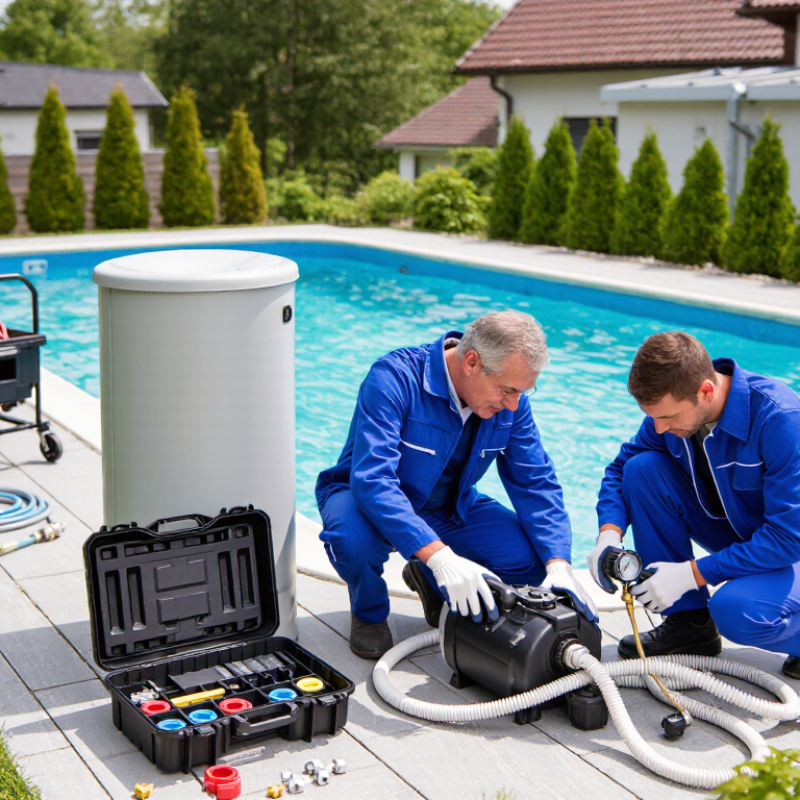
Across America’s 10.4 million residential pools, repair needs vary by climate, age, and construction. A cracked plaster surface needs different expertise from a leaking underground pipe. Start with the symptom, not the company’s advertisement. Cloudy water, dropping levels, loose tiles, and unusual pump noise can reveal separate problems. Ask a qualified technician to inspect the shell, plumbing, circulation equipment, and electrical connections. Request photos, test results, and a clear written scope before approving work. Experience matters because a quick patch may hide movement, corrosion, or pressure damage.
Tips: Record water loss for several days. Mark the waterline with tape. Note pump sounds and filter pressure. Ask whether testing is included. Check current credentials, insurance, references, and workmanship warranties. A reliable company should explain risks without creating panic. Be cautious when estimates contain vague terms like “standard repair.”
Compare companies by diagnostic skill, communication, safety practices, and relevant project experience. A pool from the 1980s may need different materials than a recently renovated pool. Ask who performs the work and who handles unexpected damage. Low prices can look attractive, but I have learned that incomplete leak testing often becomes expensive later. Still, higher pricing does not automatically prove better workmanship. Insist on itemized costs, realistic timelines, and maintenance instructions after repair. Keep every document, even small inspection notes.
Evaluate Technicians Using CDC’s Recommended pH Range of 7.0–7.8
When choosing a pool repair company, ask technicians to measure pH on site. The CDC’s Model Aquatic Health Code recommends a pH range of 7.0–7.8 for treated recreational water. A skilled technician should explain the reading, not simply add chemicals. Look for calibrated test equipment, dated service records, and clear instructions for retesting.
The numbers show why this matters. A CDC inspection report reviewed 48,632 public pool inspections and found nearly 79% had at least one violation. About 12% required immediate closure. These findings do not prove every private pool is unsafe, but they reveal how quickly routine maintenance can fail. A technician who checks pH, disinfectant levels, circulation, and visible equipment wear offers stronger evidence of professional care.
Ask how the technician handles a reading outside the 7.0–7.8 range. A vague answer concerns me. The technician should identify possible causes, such as poor circulation, dosing errors, or water balance changes. Industry training materials from the Pool & Hot Tub Alliance also emphasize documented testing and water balance. Still, paperwork is not enough. I would watch the testing process, record the result, and compare it with the service report. Small details matter. An experienced technician may still miss something, and customers should question unexplained adjustments.
Compare Licenses, Insurance, Certifications, and Repair Warranties
Choosing a pool repair company requires more than comparing prices. A valid license shows that the contractor meets local requirements, but it does not guarantee careful workmanship. Ask for the license number and confirm it through the relevant authority. The business name should match the documents and written estimate.
Insurance matters just as much. Request current general liability and workers’ compensation certificates. A damaged deck or injured worker can create serious problems without proper coverage. Check the policy dates, limits, and insured name. Do not rely on a verbal promise. Small details matter.
Relevant certifications can reveal useful training in pumps, electrical systems, leak detection, or water treatment. They should support practical experience, not replace it. Ask how often the technician handles your specific repair. A professional should explain the fault clearly, show photos when possible, and identify parts before work begins.
Repair warranties deserve careful reading. Confirm whether the warranty covers labor, replacement parts, or both. Check its length, exclusions, and response process. Some warranties sound impressive but exclude leaks caused by movement or weather. That can be disappointing. Request every promise in writing, including the expected completion date and follow-up service.
I once underestimated how confusing warranty language could be. A cheaper quote may hide limited coverage. Compare documents line by line, and question anything you cannot explain back in plain language.
Assess Quotes, Response Times, Parts Quality, and Safety Compliance
Choosing a pool repair company starts with an itemized quote, not a friendly promise. Ask for diagnosis, labor hours, parts, disposal fees, and possible follow-up visits. A vague total can hide important work. Compare at least three quotes when the repair is not urgent. I once accepted the lowest estimate for a leaking return line. The final invoice grew after hidden fittings appeared. That mistake still shapes how I review proposals.
Response time matters when water is dropping or equipment is overheating. Ask when a technician can inspect the pool and when repairs can begin. Reliable companies explain delays instead of disappearing. Look for documented experience with your pump, filter, heater, or automation system. A careful technician should test pressure, electrical connections, and water flow. Photos and written findings make the advice easier to verify. Do not rely on confident language alone.
Parts quality deserves equal attention. Confirm compatibility, material grade, expected service life, and warranty coverage. Cheap seals may fail quickly under heat and chemicals. Safety compliance is not optional. Ask whether the work follows local requirements for electrical bonding, grounding, barriers, and drain-cover protection. Request permits or inspection records when applicable. I have learned that “standard practice” is not enough without evidence. Keep the quote, test results, and repair receipts together. Small paperwork gaps can become expensive later.
Select the Best Company Through Reviews, References, and Total Cost
Choosing a pool repair company requires more than trusting a polished website.
Read recent reviews across several platforms, not just selected testimonials. Look for details about leaking pipes, cracked surfaces, faulty pumps, and cleanup quality. A review mentioning arrival times and final pricing is more useful than “excellent service.” Notice repeated complaints. One angry comment may be unfair, but the same issue appearing often deserves attention.
Ask each company for two or three recent customer references.
Contact those homeowners and ask whether the crew protected the deck, explained the repair, and returned calls promptly. Request proof of licensing, insurance, and relevant repair experience where local rules require them. A qualified technician should inspect the pool before recommending expensive work. Be cautious when someone gives a firm diagnosis without testing water loss or examining equipment.
Compare the total cost, not only the starting estimate.
Labor, replacement parts, permits, draining, disposal, and follow-up visits can change the final bill. Request a written proposal with itemized prices and a clear warranty. A low quote may hide basic exclusions. A high quote may include unnecessary upgrades. This is where judgment can fail; even careful owners may focus too heavily on price. Keep photos, invoices, and messages in one folder. That simple record can reveal whether the promised work matches the completed repair.