Choosing the best water pool supplier requires more than comparing package prices. A reliable supplier should understand construction, filtration, circulation, sanitation, and long-term maintenance. They should ask about your yard, climate, usage, budget, and local service conditions. Generic recommendations can become expensive mistakes.
Pool industry consultant Rudy Stankowitz offers a useful warning: “The cheapest pool is rarely the least expensive pool.” His point matters when reviewing quotations. A low bid may exclude drainage, electrical preparation, equipment upgrades, or future servicing. Ask for an itemized proposal with clear product brands, warranty terms, installation stages, and completion responsibilities. Look for evidence, not confident promises. A showroom is helpful, but completed projects reveal more. Visit a recently installed pool if possible. Inspect the equipment area, pipe layout, water clarity, and finish quality. Small details often expose larger habits.
The strongest water pool supplier communicates clearly before taking a deposit. They explain maintenance routines in practical language. They also admit what their system cannot do. That honesty is valuable. Check licensing, insurance, customer reviews, and references independently. Speak with former clients about delays, repairs, and after-sales support. Ask who handles warranty claims. Ask how quickly technicians respond during peak season. One overlooked question. Who remains responsible after installation?
Your decision should balance technical performance, service reliability, and total ownership cost. I would not choose the most attractive brochure alone. Some promises sound excellent until the first pump failure. A careful supplier may seem slower, but proper planning protects the water pool and your investment.
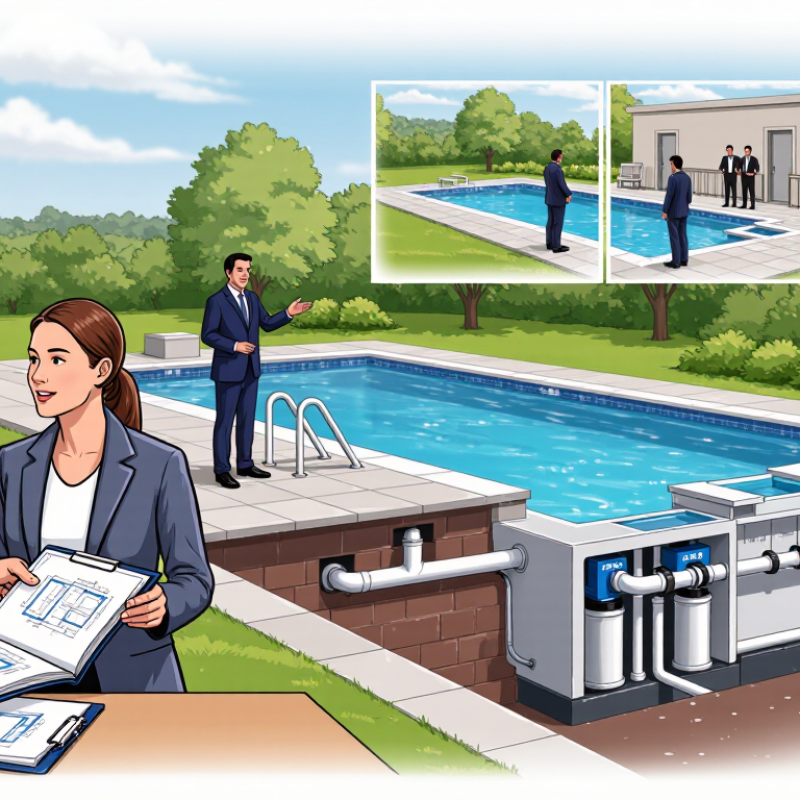
Choosing the best water pool supplier starts with identifying the pool type, not comparing catalog prices. Residential pools usually prioritize quiet pumps, simple maintenance, and flexible installation. Commercial pools require stronger circulation, automated dosing, durable finishes, and detailed service records. Portable pools need safe frames, reliable liners, and compact filtration systems.
The CDC reports more than 4,000 fatal unintentional drownings annually in the United States. This makes safety equipment a supplier requirement, not an optional upgrade. Ask for verified drain covers, secure access systems, emergency procedures, and installation guidance. The World Health Organization estimates about 236,000 drowning deaths worldwide each year. A responsible supplier should therefore explain water depth, visibility, circulation, and user protection clearly.
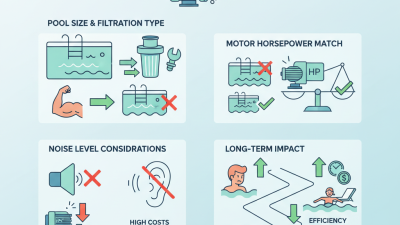
Water quality also deserves technical attention. Request pump-flow calculations, filtration ratings, turnover targets, and water-testing procedures. Suppliers should provide material specifications, maintenance schedules, spare-part availability, and written warranty terms. They should also document compliance with applicable local standards. On real projects, the cheapest pump often creates higher energy and repair costs. I would still check the calculations independently. Supplier documents can contain mistakes. Compare them with the pool’s volume, expected usage, climate, and operating hours. Experience matters here. A knowledgeable supplier asks questions before recommending equipment, rather than pushing one standard package.
Understanding pool type and water volume helps you compare supplier quotations, filtration capacity, circulation equipment, delivery requirements, and installation support.
The chart uses representative residential pool configurations and geometric volume calculations. Actual capacity varies with shape, steps, benches, and water level. When selecting a supplier, confirm that the proposed pump, filter, liner or shell, delivery plan, safety documentation, warranty, and after-sales service match the pool’s measured volume and installation conditions.
A reliable water pool supplier should prove quality through records, not polished promises. The CDC’s Morbidity and Mortality Weekly Report found that nearly 80% of public aquatic venue inspections identified at least one violation. About one in eight inspections required immediate closure. These figures make supplier evaluation a safety decision, not a price comparison.
Check whether pumps, filters, dosing systems, and fittings meet relevant standards, such as NSF/ANSI/CAN 50 or applicable electrical certifications. Request certificates for the exact model, not a similar product.
ISO 9001 certification can show controlled processes, but it does not guarantee every shipment is flawless. Ask for factory test reports, batch numbers, material specifications, and documented inspection procedures.
A serious supplier should explain pressure testing and replacement schedules in practical language.
Experience matters when conditions become difficult. Suppliers should understand water chemistry, local climate, installation limits, and maintenance workloads. The WHO’s 2024 drowning fact sheet reports about 236,000 drowning deaths globally each year, reinforcing the importance of dependable safety systems and clear operating instructions.
I would also inspect reference projects and speak with maintenance teams, not only sales staff.
One weakness remains easy to miss: a supplier may provide excellent equipment but weak after-sales support.
Slow spare-part delivery can turn a minor seal failure into a costly shutdown. Ask how complaints are logged, measured, and corrected.
A catalogue is not evidence. Sometimes, my own first impression has been wrong.
How to Choose the Best Water Pool Supplier?
Material choice affects safety, durability, maintenance, and long-term cost. Fiberglass offers a smooth surface and quick installation. Reinforced concrete allows unusual shapes but needs careful waterproofing. Vinyl liners often reduce initial costs, yet they may require replacement after damage. Ask suppliers about thickness, structural testing, drainage, and resistance to chemicals. Do not judge quality by appearance alone.
Features should match your site and daily use. Check filtration capacity, circulation speed, steps, lighting, covers, and energy-saving equipment. A small backyard pool may not need commercial-grade systems. However, weak pumps can create cloudy water and higher maintenance costs. Request clear specifications, installation drawings, and service terms. Reliable suppliers explain limitations instead of promising perfection.
Tips: Compare three written quotations with identical requirements. Separate product price, delivery, installation, training, and future repairs. Ask to see completed projects, not only polished photographs. Visit one site if possible. I once underestimated access space for equipment, and the installation became slower than expected. Measure gates, paths, drainage points, and electrical locations before ordering. Customization is valuable, but every curve, bench, or extra feature can increase cleaning time and expense. Leave room for practical maintenance.
| Pool Type | Typical Construction Materials | Typical Installed Price (USD) |
Expected Service Life | Installation Time | Maintenance Requirements | Customization Options | Best Suited For |
|---|---|---|---|---|---|---|---|
| Inflatable PVC Pool | Multi-layer PVC or vinyl with an inflatable ring | $100–$1,500 | 1–5 years with careful use | A few hours | Basic filtration, water treatment, cleaning, and seasonal storage | Limited shapes, printed designs, ladder and filter-package choices | Temporary use, renters, small yards, and low budgets |
| Steel-Frame Above-Ground Pool | Galvanized or coated steel frame with reinforced PVC liner | $1,000–$5,000 | 5–15 years; liner may require earlier replacement | 1–3 days | Routine chemical balancing, filtration, liner inspection, and corrosion checks | Several sizes, liner patterns, steps, covers, and pump configurations | Families seeking a practical pool with moderate installation cost |
| Resin or Hybrid Above-Ground Pool | UV-resistant resin components combined with steel supports and a vinyl liner | $2,500–$8,000 | 10–20 years; liner replacement is periodic | 2–5 days | Standard water care, filter maintenance, and inspection of the liner and frame | Decking, integrated steps, multiple wall finishes, lighting, and cover options | Homeowners wanting a longer-lasting above-ground installation |
| Fiberglass In-Ground Pool | Factory-molded fiberglass shell with gel-coat surface | $45,000–$85,000 | 25–35+ years with proper installation and care | 1–3 weeks, depending on excavation and site access | Regular water balancing, filtration, cleaning, and periodic surface inspection | Predefined shell shapes, steps, benches, lighting, heating, covers, and water features | Fast in-ground installation with a smooth, low-porosity surface |
| Vinyl-Liner In-Ground Pool | Concrete or polymer wall structure with a replaceable vinyl liner | $40,000–$75,000 | Structure: 25–40 years; liner: commonly 7–12 years | 3–6 weeks | Water chemistry, cleaning, liner protection, and periodic liner replacement | Many shapes, depths, liner patterns, steps, tanning ledges, lighting, and heating systems | Projects requiring broad design flexibility at a lower initial cost than concrete |
| Concrete In-Ground Pool | Steel-reinforced concrete with plaster, pebble, tile, or other interior finishes | $50,000–$120,000+ | 30–50+ years; interior finish may need renewal | 8–16 weeks | More frequent brushing and chemical management; resurfacing may be required over time | Highest flexibility for shape, depth, vanishing edges, spas, beaches, tile, lighting, and automation | Luxury projects, unusual sites, and fully customized designs |
| Supplier Evaluation Dimension | What to Verify Before Ordering | Recommended Importance |
|---|---|---|
| Material and Build Quality | Wall thickness, liner specification, corrosion protection, surface finish, reinforcement, and test documentation | Very High |
| Filtration and Circulation | Pump flow rate, filter type, turnover guidance, replacement-part availability, and energy consumption | High |
| Safety Features | Slip-resistant surfaces, compliant barriers, secure covers, safe entry systems, and electrical protection | Very High |
| Customization Capability | Available dimensions, depths, finishes, steps, lighting, heating, automation, and water-feature options | Medium to High |
| Installation and After-Sales Service | Site survey, installation scope, delivery responsibilities, technical support, repair process, and response time | Very High |
| Warranty and Replacement Parts | Separate coverage for structure, liner or finish, equipment, labor, exclusions, and parts availability | High |
| Total Cost of Ownership | Purchase price plus installation, utilities, chemicals, maintenance, repairs, resurfacing, liner replacement, and winterization | Very High |
When choosing a water pool supplier, inspect manufacturing capacity beyond factory size. Ask for monthly output, equipment lists, quality-control records, and recent production photos. A capable supplier should explain how it handles peak-season orders without reducing material quality. Request a sample batch before approving a large purchase. Small details matter, such as smooth fittings, accurate dimensions, and sealed packaging.
Delivery terms deserve equal attention. UNCTAD’s Review of Maritime Transport reports that over 80% of global merchandise trade by volume moves by sea. Ocean shipping can lower costs, but port congestion and seasonal delays remain realistic risks. The World Bank’s 2023 Logistics Performance Index collected feedback from 4,090 logistics professionals across 139 economies. It evaluates customs, infrastructure, shipment quality, and delivery timeliness. Ask suppliers for clear Incoterms, production dates, loading ports, tracking documents, and responsibility for damaged goods. A promised delivery window without milestones is weak evidence.
Customer support should be tested before payment. Send technical questions and measure response time, accuracy, and language clarity. ISO 9001:2015 emphasizes monitored customer satisfaction and controlled processes. Ask whether support includes installation guidance, spare-part planning, and written warranty procedures. I once treated fast replies as proof of reliability. That was a poor assumption. A supplier can answer quickly yet provide vague solutions. Request a named contact, escalation process, and service records from comparable projects. Keep every agreement in writing.
Choosing the final water pool supplier requires more than comparing quoted prices. PHTA’s 2024 Economic Impact Study estimates that the U.S. pool and spa industry supports over 436,000 jobs and contributes more than $52 billion annually. That scale makes supplier continuity important. Ask for recent project references, audited quality records, production capacity, and evidence of post-installation support. Request a physical sample, such as a filter housing or circulation fitting. Small details often reveal manufacturing discipline.
Review the agreement line by line. The specification should state flow rates, materials, energy performance, testing methods, delivery dates, and acceptance criteria. The CDC’s Model Aquatic Health Code emphasizes documented water-quality management, equipment maintenance, and operator training. Your contract should assign these responsibilities clearly. Include warranty duration, spare-parts availability, response times, and remedies for repeated defects. Avoid vague wording such as “industry standard.” Define the standard.
Do not overlook commercial risk. Link payments to verified milestones, not promises. Require written approval for substitutions, design changes, and delayed shipments. Clarify installation boundaries and responsibility for damage during transport. A practical contract should also address training records and maintenance manuals. I would not pretend that every risk can be eliminated. A spreadsheet can still miss a weak service team. Before signing, call two references and ask how the supplier handled an actual failure. That answer may matter more than a polished presentation.