A swimming pool can look clear while hiding serious mechanical or structural problems. Cracked tile, weak water flow, or a failing pump may increase costs and create safety concerns. A professional pool repair service identifies these issues before they become larger failures.
The Pool & Hot Tub Alliance reported in its 2023 Economic Impact Study that the U.S. pool and spa industry generated approximately $52.3 billion in economic activity and supported about 442,000 jobs. These figures show the industry’s scale, but they do not make every contractor equally qualified. Experience still matters. A trained technician should inspect circulation equipment, plumbing, electrical components, surfaces, and water conditions. Small details matter.
The CDC’s Model Aquatic Health Code emphasizes water chemistry, filtration, circulation, maintenance records, and routine inspection. These principles guide responsible repair decisions, even for residential pools. For example, a technician may test sanitizer levels, examine a pressure gauge, and check whether air is entering the pump basket. The repair may involve replacing a seal, resurfacing damaged concrete, or correcting a hidden leak.
Not every cloudy pool needs expensive reconstruction. That assumption can waste money. However, quick fixes can also fail when the underlying cause remains unknown. A reliable pool repair service explains the evidence, provides a written estimate, and distinguishes urgent safety work from cosmetic improvements. Homeowners should ask about licensing, insurance, manufacturer training, warranties, and previous projects. Even careful professionals can miss something. That is why documented testing and a second opinion can protect both the pool and the property owner.
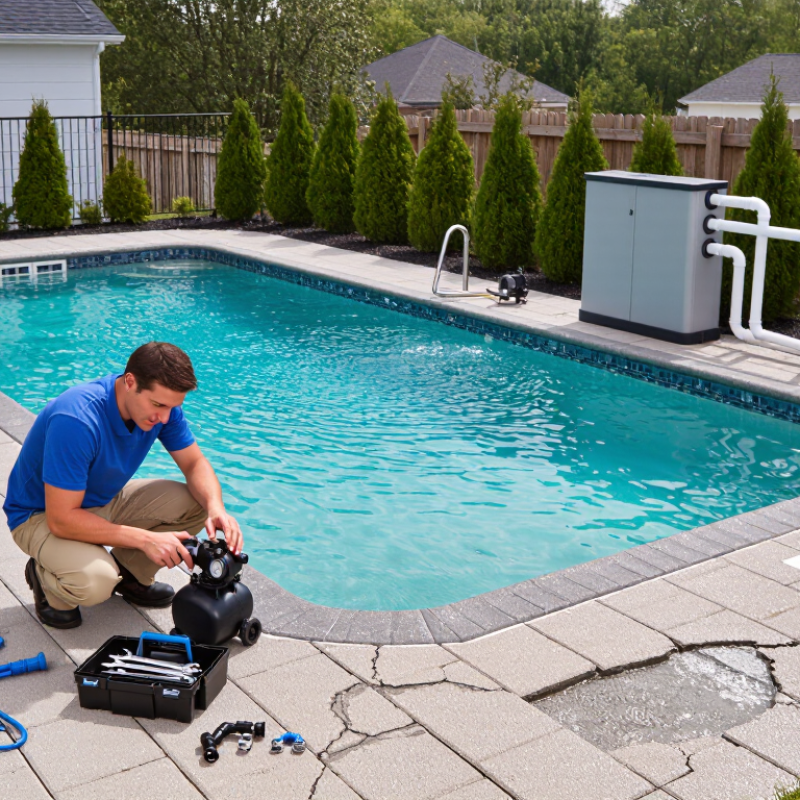
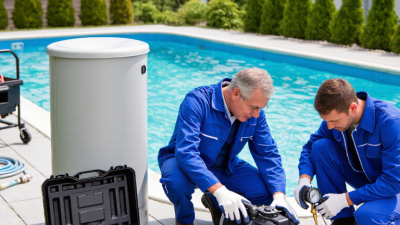
A pool repair service diagnoses and restores damaged pool systems. It may address leaks, cracked surfaces, broken pumps, faulty filters, and unsafe electrical components. Experienced technicians inspect the pool shell, plumbing lines, water level, circulation equipment, and surrounding deck. They often use pressure testing, dye testing, infrared tools, or specialized cameras. The right method depends on the symptom.
Not every leak is obvious. A falling water level may result from evaporation, plumbing damage, or a structural crack. Technicians compare water loss with local weather conditions before recommending repairs. The Pool & Hot Tub Alliance’s 2023 Economic Impact Study valued the U.S. aquatics industry at about $52.5 billion. That scale reflects how much equipment requires regular professional attention. Still, a large industry does not make every repair necessary.
A reliable service should explain the inspection findings, repair options, expected lifespan, and safety risks. It should also provide written estimates and document completed work. The Centers for Disease Control and Prevention reports that drowning remains a leading cause of unintentional injury death for children. Properly repaired drains, lights, covers, and electrical systems therefore support more than appearance. They support safer use. A quick patch may seem practical, but it can conceal deeper damage. I have found that the cheapest repair is not always the most sensible one. Sometimes, replacement deserves an honest discussion.
A pool repair service diagnoses and fixes problems that affect safety, structure, water quality, or equipment performance. Professionals inspect the pool shell, plumbing, pump, filter, lights, and surrounding surfaces. They may use pressure tests, moisture readings, dye testing, or leak detection tools. These steps reveal hidden damage before a small fault becomes expensive. Guesswork is costly.
Several pool problems require professional repair. Structural cracks in concrete, fiberglass, or the pool deck can allow water to escape and weaken nearby areas. A crack that grows after rain deserves prompt attention. Persistent water loss also needs investigation, especially when evaporation cannot explain it. Unusual pump noise, overheating, weak circulation, or repeated shutdowns may indicate worn seals, blocked lines, or motor damage. Do not improvise here. Electrical faults around wet areas require trained handling and careful testing.
Broken tiles and loose coping can create sharp edges and allow moisture behind the finish. Damaged plaster may feel rough underfoot and continue spreading if ignored. Cloudy water can signal poor circulation, but it may also involve chemical imbalance, so testing matters. In real inspections, the first visible problem is not always the main one. A quick patch can look convincing while water continues moving behind the surface. Reliable technicians document findings, explain repair options, and identify safety risks before starting work. Even experienced professionals can miss subtle leaks without proper testing.
A pool repair service begins with diagnosis, not immediate replacement. A trained technician first records water level, pump pressure, filter readings, and visible cracks. They may use dye near a suspected leak. If the dye moves toward a crack, water is escaping there. A pressure test can isolate plumbing lines beneath the deck. It is useful, but not magic. Soil movement, evaporation, and hidden fittings can confuse the result.
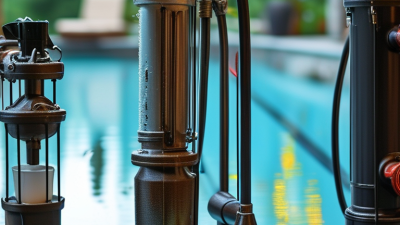
Surface damage needs a different inspection. Technicians tap tiles, examine discoloration, and check whether plaster feels hollow. They also inspect the pump basket, seals, valves, and electrical connections. According to the U.S. Energy Information Administration, swimming pools and spas can create significant residential electricity demand, so an inefficient pump deserves attention. The CDC reports about 4,000 fatal unintentional drownings in the United States each year. A cracked deck, loose drain cover, or faulty light should never be treated as cosmetic.
Tips: Record the water level overnight. Keep photos of stains and cracks. Ask for pressure-test results in writing. Do not accept a diagnosis based only on visual inspection.
My practical concern is simple: some leaks appear only when the pump runs. A quiet pool is not always a healthy pool. Repair decisions should compare test evidence, repair age, material condition, and future water loss.
A pool repair service begins with a careful inspection, not a quick guess. A trained technician checks the shell, coping, tiles, plumbing lines, pump, filter, heater, and electrical connections. Water level tests can reveal leaks, while pressure testing helps locate hidden pipe damage. Small leaks matter.
The repair plan depends on the evidence. Cracked tiles may need removal and replacement, while damaged plaster requires surface preparation and patching. A leaking pipe might need localized excavation or specialized access equipment. Technicians should isolate electrical systems before servicing pumps or lights. They also record measurements, explain risks, and provide a written estimate. In my experience, rushed diagnosis often creates repeat repairs. Still, no inspection is perfect, especially when moisture travels through soil or concrete.
Tips: Keep water chemistry balanced before and after repairs. Save recent water bills and note unusual level changes. Remove furniture near the pool area to improve access. Ask whether replacement materials match the existing finish. After the work, run the system gradually and watch for pressure changes, cloudy water, or new drips. Take photos before repairs begin. They can clarify what changed later. A reliable technician should explain limitations honestly, because some problems appear only after surrounding materials are opened. That uncertainty deserves discussion, not hidden costs.
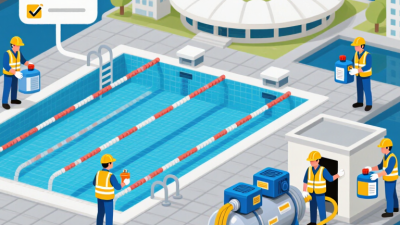
Pool repair typically begins with an inspection and diagnosis, followed by repair work, equipment testing, and a final safety check. The chart shows representative labor hours for common pool repair steps; actual time varies according to the pool’s size, damage, access, and repair method.
How to read the chart: Leak detection and plumbing repairs often require more labor than inspection or final testing. Surface repairs may take longer because patching, curing, and water balancing can require additional time.
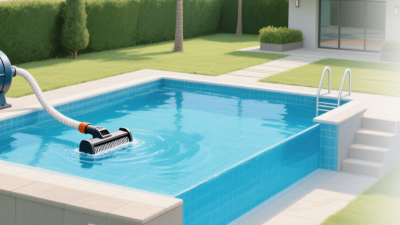
After a pool repair, maintenance protects the work and reveals small problems early. Check the repaired area each week, especially around pump seals, return fittings, valves, and exposed pipe joints. A dry equipment pad is a useful sign. A damp ring is not.
Test water two or three times weekly during active use. The CDC recommends a pH level between 7.0 and 7.8, with at least 1 ppm free chlorine in residential pools. Record each reading, even when it looks normal. Small chemistry changes can damage plaster, heaters, and metal components over time. Clean baskets weekly, and inspect the filter pressure against its normal reading. A sudden rise may indicate blockage, poor circulation, or a filter that needs service. Do not guess with electrical faults. A qualified technician should inspect wiring, grounding, and replacement components.
Energy use also deserves attention after repair. ENERGY STAR reports that certified variable-speed pool pumps can use up to 65% less energy than standard models. Lower speed settings often work well for routine filtration, while higher speeds may be necessary for cleaning or heating. However, longer operation is not automatically better. Measure water clarity and pressure, then adjust gradually. Maintenance logs are imperfect, but they expose patterns. I would still recheck a repaired system after heavy rain, equipment vibration, or unusual noise. A repair can be technically correct and still fail early when daily operating habits remain unchanged.