Top 10 Tips for Choosing the Best Swimming Pool Options?
When considering a swimming pool, the options can feel overwhelming. A swimming pool is not just a luxury; it improves your lifestyle and enhances home value. Choosing the right one requires careful thought and planning.
Different types of swimming pools offer unique advantages. You might prefer an inground pool for permanence or an above-ground pool for flexibility. Evaluating your space, budget, and family needs is critical. A swimming pool should reflect your taste and meet practical needs.
Don't forget maintenance concerns as well. Each type of swimming pool has different upkeep requirements. It's essential to think about long-term costs, such as chemicals and repairs. Your ideal choice should blend enjoyment with sustainability. Fitness, relaxation, and social gatherings are just some benefits to consider. The right swimming pool can transform your home into a serene retreat.
Benefits of Owning a Swimming Pool: Key Considerations
Owning a swimming pool offers numerous benefits, making it a desirable addition to many homes. One key consideration is the recreational aspect. A pool provides a fun place for families and friends to gather. It encourages physical activity, whether through laps or playing water games. Children often enjoy these moments the most, creating lasting memories. However, it's crucial to think about maintenance and safety. A pool requires regular upkeep to stay clean and functional. This may be time-consuming and costly.
Another important aspect is enhancing property value. A well-maintained pool can significantly increase your home's market appeal. It attracts potential buyers looking for leisure options. But not all pools guarantee a high return on investment. Regions with colder climates may not value pools as highly. It's essential to assess local demand before diving in. Take the time to research neighborhood preferences and property trends. This insight can shape your decision on the type of pool to consider.
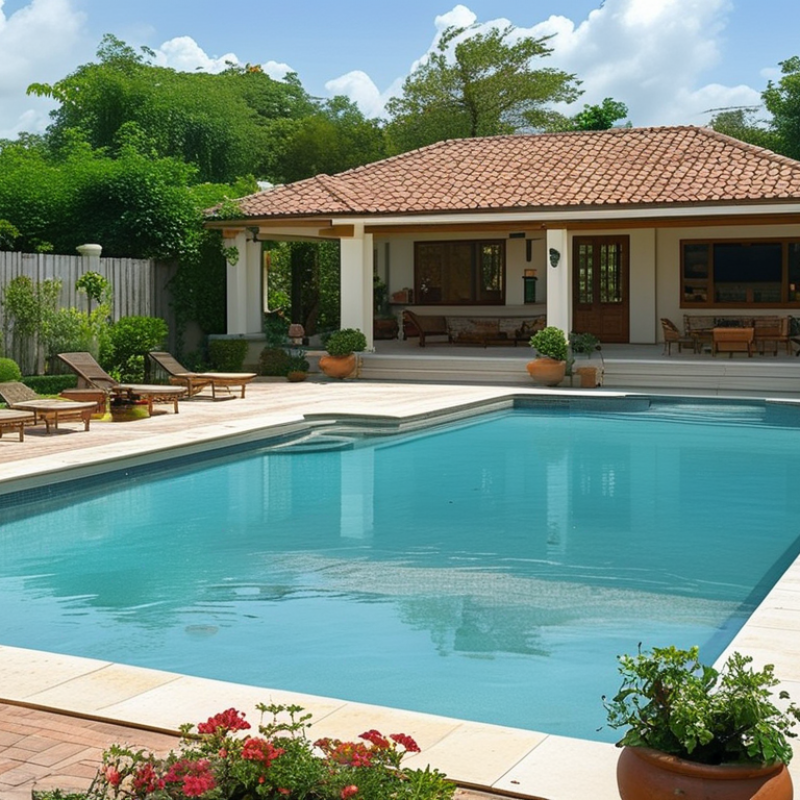
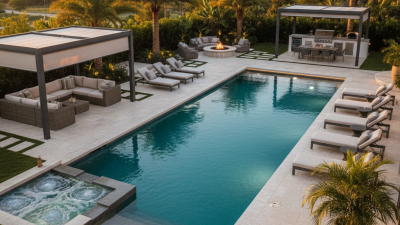
Lastly, consider the space around the pool. Landscaping can transform a simple pool area into a beautiful oasis. Think about lounging areas, plants, or privacy screens. While adding these features can make your pool inviting, they require careful planning and budget management. Balancing aesthetics with functionality is crucial. Reflect on your lifestyle and preferences when making your choices.
Types of Swimming Pools: Above Ground vs. In-Ground Options
Choosing between above-ground and in-ground swimming pools is a significant decision. Above-ground pools are often more cost-effective. Reports indicate that they can cost 50% less than in-ground options. This affordability makes them accessible for many families. However, they may not have the longevity of their in-ground counterparts.
In-ground pools offer a permanent, customizable addition to your home. They can increase property value by up to 7%, according to industry experts. Yet, installation costs can be substantial, ranging from $30,000 to over $100,000. Maintenance also requires time and resources. Some owners discover unexpected issues with cracks or water levels.
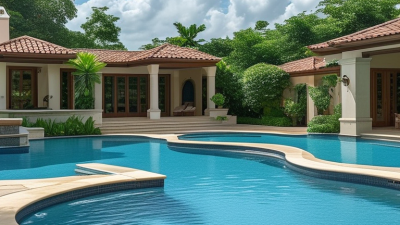
Consider your landscape and lifestyle. Above-ground pools are easier to relocate but may not blend seamlessly with your yard. Meanwhile, in-ground pools can enhance the aesthetics of your space but may require more upkeep. Reflect on your long-term goals. Both options have unique benefits and drawbacks. Your choice should align with your needs and expectations.
Top 10 Tips for Choosing the Best Swimming Pool Options
| Option Type |
Cost Estimate |
Maintenance Level |
Installation Time |
Lifespan |
| Above Ground Pool |
$1,500 - $5,000 |
Low |
1-3 Days |
5-15 Years |
| In-Ground Pool |
$20,000 - $100,000 |
High |
2-8 Weeks |
25 Years+ |
| Vinyl Liner Pool |
$25,000 - $40,000 |
Moderate |
3-6 Weeks |
10-15 Years |
| Fiberglass Pool |
$20,000 - $60,000 |
Low |
1-3 Weeks |
25 Years+ |
| Concrete Pool |
$30,000 - $100,000 |
High |
3-12 Weeks |
50 Years+ |
| Saltwater Pool |
$5,000 - $20,000 (add-on) |
Moderate |
Varies |
Variable |
| Hybrid Pool |
$40,000 - $80,000 |
Moderate to High |
4-8 Weeks |
25 Years+ |
| Plunge Pool |
$15,000 - $30,000 |
Low |
1-4 Weeks |
15-25 Years |
| Infinity Pool |
$50,000 - $150,000 |
High |
3-6 Months |
Lifetime |
| Above Ground Lazy Pool |
$2,000 - $10,000 |
Low |
1-2 Days |
5-10 Years |
Factors to Consider: Budgeting for Your Pool Installation
When planning a swimming pool installation, budgeting is crucial. The cost varies widely based on materials and features. Think about your priorities: do you want a simple structure or an elaborate design? This decision will impact your budget significantly.
Consider the long-term costs, too. Maintenance expenses can add up over time. Hiring professionals for installation might save you money in the long run. Ensure you have a clear understanding of these costs upfront to avoid surprises later.
One tip: research local regulations and permits. Sometimes, hidden fees arise if proper guidelines aren’t followed. Another suggestion is to anticipate unexpected expenses, like landscaping or fencing. These details can influence the overall budget and should not be overlooked. By considering these factors, you can make a more informed decision.
Choosing Pool Materials: Concrete, Vinyl, or Fiberglass
When selecting pool materials, homeowners often weigh the pros and cons of concrete, vinyl, and fiberglass. Each option has unique characteristics that could impact future maintenance and overall enjoyment.
Concrete pools offer durability and customization. They can be shaped into any design and are known for their strength. However, maintenance can be more intensive. It requires regular resurfacing every 10-20 years, which can cost between $5,000 to $15,000. Additionally, the rough surface may not be ideal for everyone.
Vinyl pools provide a budget-friendly alternative. The smooth liner feels pleasant to the touch and doesn’t require as much maintenance as concrete. However, liners typically last only 5-9 years and replacing one can cost around $3,000 to $4,000. This means long-term costs can add up.
Fiberglass pools are growing in popularity. They are quick to install and usually require fewer repairs. The smooth surface is less likely to harbor algae, making cleaning easier. Data suggests that fiberglass pools could save homeowners an estimated 50% in chemical costs compared to concrete pools. Yet, they come with limited designs. Each option has its trade-offs, so careful consideration is necessary.
Comparative Analysis of Swimming Pool Materials
Pool Maintenance Requirements: Keeping Your Investment Clean and Safe
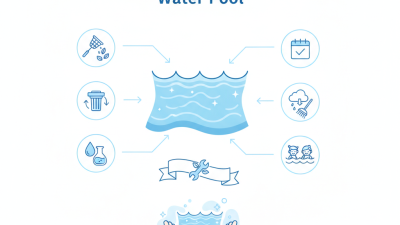
Maintaining a swimming pool is crucial for its longevity and safety. Proper maintenance ensures clean water and a pleasant swimming experience. According to the Pool & Hot Tub Alliance, regular upkeep can extend the life of your pool equipment by up to 50%.
Tip 1: Regularly test your water chemistry. The recommended pH level is between 7.2 and 7.8. Imbalanced water can lead to scale buildup, algae growth, and skin irritation.
Keeping your pool clean requires consistent effort. Skimming surfaces daily helps remove debris. Vacuuming weekly ensures that dirt doesn’t settle into your pool. Invest in a good-quality pool cover. It reduces debris and minimizes the need for extensive cleaning.
Tip 2: Monitor your filtration system. A pool should have its water filtered at least once daily for optimal clarity and hygiene. Remember, neglecting your filter can result in cloudy water and costly repairs.
Professional reports indicate that pools without regular maintenance face increased algae growth. This can lead to health risks and higher cleaning costs. Make sure to check your pool equipment regularly, looking for any signs of wear.