Choosing among the 10 best swimming pool companies for global buyers requires more than comparing glossy project photos. Buyers need evidence of technical skill, transparent pricing, and dependable after-sales support. A beautiful infinity pool means little if replacement filters cannot reach a remote address.
Industry data shows why this decision matters. Grand View Research’s Swimming Pool Market Size, Share & Trends Analysis Report identifies continued market growth, supported by residential construction, tourism, and outdoor-living investment. Allied Market Research also forecasts expansion in the global swimming pool market, although its figures differ by region and definition. These differences deserve attention. Market forecasts are useful, but they are not guarantees.
This guide evaluates companies through practical buyer criteria. These include design capability, construction experience, material quality, energy-efficient equipment, warranty clarity, and international communication. PHTA industry reports consistently emphasize professional training, safety standards, maintenance, and skilled labor. Those factors can determine whether a pool remains reliable under intense sun, freezing winters, coastal salt, or heavy seasonal use.
A search for “swimming pool com” may produce hundreds of suppliers. Not all offer the same level of accountability. Some companies excel at custom concrete pools, while others specialize in modular systems, commercial installations, or smart water management. The strongest candidates should provide verifiable case studies, qualified technicians, realistic delivery timelines, and clear documentation.
No ranking can fit every buyer. Budget, climate, property access, and local service availability change the result. That is the uncomfortable part. A company praised in one country may disappoint elsewhere. Careful verification still matters.
Choosing the 10 best swimming pool companies for global buyers requires more than attractive photos or low quotations.
PHTA standards provide a useful benchmark for design, construction, water safety, and professional conduct. However, certification alone does not guarantee excellent work. Buyers should also review completed projects, technical drawings, warranty terms, and after-sales support. Real experience matters, especially when a pool must withstand coastal air, freezing winters, or intense sunlight.
A strong international supplier should show recognized training, documented quality procedures, and compliance with local building and electrical requirements. Global reach means more than shipping equipment overseas. It includes multilingual communication, clear installation guidance, spare-parts planning, and reliable responses across time zones.
Ask whether the company has worked in climates similar to yours. Request photos of plant rooms, filtration layouts, and finished surfaces. These details often reveal more than polished marketing.
Tips: Compare at least three quotations, but do not choose by price alone. Confirm certificate numbers through issuing organizations. Ask for a written maintenance schedule and realistic delivery timeline. Check who handles defects after installation. No ranking is flawless. A company may have impressive credentials yet lack local installers or practical project experience. Buyers should weigh independent references, transparent documentation, and long-term support before placing an international order.
For global buyers, the “10 best” swimming pool companies should be judged by safety evidence, not glossy photographs. The World Health Organization reports approximately 236,000 drowning deaths worldwide each year. Many occur in or near water that families use regularly. This makes pool design a public-health decision, not only a lifestyle purchase.
Reliable companies should show documented testing, trained installation teams, maintenance plans, and clear responses to local climate conditions. Ask about slip-resistant surfaces, secure barriers, compliant drain systems, water-quality monitoring, and child alarms. The U.S. Consumer Product Safety Commission reported that children under five represented about 75% of fatal pool drownings in reviewed residential cases. The same report found that roughly 80% occurred at residential pools. These figures are country-specific, but the warning is widely relevant. A beautiful pool can still fail. I would not rank a supplier by images alone.
Tips: Request recent safety certificates and installation references. Confirm who handles drainage, filtration, and emergency repairs. Check whether instructions are available in your language. Compare lifecycle costs, not only the quotation. WHO also recommends barriers, supervision, and swimming skills as layered protection. One safeguard is never enough. My own caution is simple: international purchasing often hides service gaps. A lower price may become expensive when replacement parts, water testing, or technical support are unavailable. WHO Global Status Report on Drowning, 2024; U.S. CPSC Pool or Spa Submersion Report, 2023.
| No. | Evaluation Dimension | Evidence-Based Benchmark | Why It Matters to Global Buyers | Recommended Verification |
|---|---|---|---|---|
| 1 | Water-Safety Design | The World Health Organization reports approximately 236,000 drowning deaths worldwide each year. | Pool design should prioritize safe access, visibility, barriers, and supervision zones rather than aesthetics alone. | Request a documented safety plan covering barriers, alarms, lighting, depth markers, and emergency access. |
| 2 | Compliance with Local Codes | Public and residential pools are governed by different national, regional, and municipal construction requirements. | A technically sound pool may still fail inspection if it does not meet the destination country’s rules. | Obtain code references, permit support, and written confirmation of responsibility for local approval. |
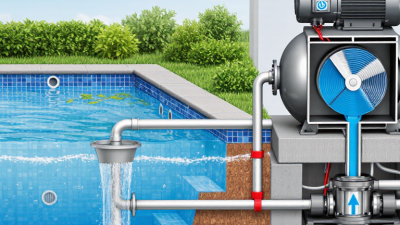
| 3 | Hydraulic Circulation | Effective filtration and circulation require correctly sized pumps, filters, pipework, valves, and return inlets. | Correct hydraulic sizing improves water quality, reduces energy waste, and helps limit equipment wear. | Ask for hydraulic calculations, estimated turnover time, pipe diameters, and equipment flow rates. |
| 4 | Water-Treatment Capability | Pool water quality depends on filtration, disinfectant control, pH management, circulation, and regular testing. | Treatment requirements vary with climate, bather load, water source, and whether the pool is residential or public. | Require a treatment schedule, chemical dosing method, testing procedure, and maintenance responsibility matrix. |
| 5 | Climate and Site Adaptation | Pool performance is affected by temperature, humidity, solar exposure, rainfall, soil conditions, and freeze-thaw cycles. | A design suitable for a warm climate may require different insulation, drainage, heating, or structural protection elsewhere. | Request a site survey, soil assumptions, climate-load calculations, drainage design, and seasonal operating plan. |
| 6 | Energy Efficiency | Pool energy use is influenced by pump efficiency, heating demand, water temperature, covers, insulation, and operating hours. | Energy-efficient equipment can reduce long-term operating costs, especially in heated or commercial pools. | Compare motor ratings, heating performance data, insulation specifications, cover options, and estimated annual consumption. |
| 7 | Material and Structural Durability | Durability depends on structural engineering, concrete or shell design, waterproofing, reinforcement, finishes, and installation quality. | Materials must be compatible with local soil, water chemistry, ultraviolet exposure, and expected service conditions. | Review engineering drawings, material certificates, waterproofing details, corrosion protection, and warranty exclusions. |
| 8 | Installation and Commissioning | Commissioning should include pressure testing, electrical checks, leak inspection, water balancing, and operational training. | Poor installation can undermine even high-quality equipment and may create safety or warranty problems. | Require a staged installation schedule, inspection records, commissioning checklist, and handover documentation. |
| 9 | After-Sales Support | Routine maintenance commonly includes filter cleaning, water testing, pump inspection, surface care, and replacement of wear parts. | International buyers need reliable technical support, spare-parts access, and clear response procedures. | Check service coverage, spare-parts lead times, support channels, technician availability, and warranty response terms. |
| 10 | Total Cost of Ownership | The full cost includes design, construction, shipping, taxes, installation, electricity, chemicals, maintenance, repairs, and eventual replacement. | The lowest purchase price does not necessarily produce the lowest lifetime cost. | Compare a five- to ten-year cost model with itemized assumptions and separate one-time and recurring expenses. |
Evidence note: The drowning figure is based on the World Health Organization’s global drowning data. This company-neutral scorecard is intended for comparing swimming-pool providers without relying on brand names or promotional rankings.
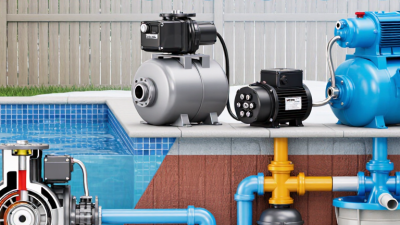
For global buyers, a pool company should explain pump efficiency before discussing tiles, lighting, or water features. ENERGY STAR data indicates certified variable-speed pool pumps can use up to 65% less energy than standard single-speed models. The saving is significant. A pump running eight hours daily can quietly become one of the largest electrical loads around a residential pool.
The U.S. Department of Energy reports that variable-speed motors reduce consumption by operating at lower speeds for routine circulation. Higher speeds are used only for cleaning or heating. This matters in hot climates, where filtration may run for long periods.
Buyers should request measured flow rates, energy labels, warranty terms, and compatibility with local voltage systems. A professional installer should also check pipe diameter and filter resistance. Poor sizing can erase much of the expected saving.
Real-world results vary. ENERGY STAR estimates that efficient pool pumps may save households hundreds of dollars annually, but electricity prices and operating schedules change the outcome. That qualification matters. A company promising identical savings everywhere is oversimplifying the evidence. I have seen efficiency claims look impressive on paper, yet installation choices weakened performance. Ask for a written energy estimate based on local tariffs, pool volume, and seasonal use. Numbers should survive practical inspection.
For global buyers, price is only the opening figure. Compare the complete delivered cost, including engineering, packing, freight, customs, taxes, and local installation. A quote for an 8-by-4-meter pool should clearly separate excavation, filtration, lighting, and finishing materials. Vague allowances create expensive surprises.
Warranties need careful reading. Check coverage periods, excluded damage, replacement procedures, and whether labor is included overseas. A five-year shell warranty may sound strong, but it can exclude soil movement, chemical imbalance, or poor drainage.
Ask for written water-quality requirements and recent project references. Independent inspection reports add useful confidence.
Installation support often separates reliable exporters from ordinary sellers. Confirm whether drawings, foundation details, remote guidance, and technician visits are available. Export lead times should include production, quality checks, crating, port handling, and customs documents. A promised six-week shipment may become ten weeks during holidays or port congestion. Build a buffer.
The cheapest option is not always economical. I have seen attractive quotes omit site preparation and electrical work. Buyers should request a milestone schedule, payment protections, spare-parts guidance, and named communication contacts. Independent advice is valuable, though no review replaces checking local ground conditions and regulations. Even careful forecasts can fail. That weakness deserves planning, not denial.
10 Best Swimming Pool Companies for Global Buyers?
This ranking weighs safety at 35%, value at 25%, support at 20%, and regional fit at 20%. Safety leads for a reason. The CDC reports about 4,000 fatal unintentional drownings annually in the United States, plus roughly 8,000 nonfatal incidents. Each shortlisted company must show clear pool-depth markings, compliant barriers, drain protection, and documented installation procedures. The assessment also follows risk principles from the World Health Organization’s Guidelines for Safe Recreational Water Environments, published in 2021. Strong companies explain filtration, chemical handling, slip resistance, and emergency access in plain language. Vague promises lose points.
Value is not simply the lowest quotation. The review compares lifetime maintenance, pump efficiency, replacement-part access, warranty limits, and installation costs. Regional fit matters just as much. A system suitable for a mild coastal climate may perform poorly during freezing winters or extreme heat. Buyers should check local electrical standards, water hardness, salt exposure, and technician availability before signing. Good support includes multilingual manuals, remote troubleshooting, and reachable service teams. Small details matter.
No ranking is perfect. Written warranties can look impressive but exclude labor or climate damage. That weakness deserves more attention. The strongest providers combine verifiable safety records, transparent pricing, responsive support, and designs adapted to local conditions. Evidence beats glossy images.