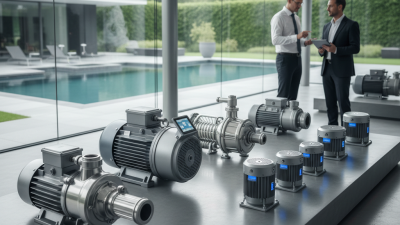
China Top 10 Pool Pump and Motor Suppliers

Choosing reliable pool pumps and motors requires more than comparing prices or glossy product photographs. A pump may look powerful on a specification sheet, yet perform poorly with narrow pipes, clogged filters, or excessive operating hours. This guide examines China’s top 10 pool pump and motor suppliers through practical criteria, including manufacturing experience, motor efficiency, hydraulic design, quality control, certifications, warranty terms, and export support.

Rick Chafey, P.E., co-founder of AquaStar Pool Products, has often emphasized, “The pump is the heart of the pool system.” That simple observation deserves attention. A noisy motor, unstable flow, or poorly matched impeller can raise energy costs and shorten equipment life. In a real installation, small details matter. Pipe diameter matters. Seal quality matters. So does the supplier’s response after shipment.

The selected companies represent different strengths. Some focus on private-label production. Others invest heavily in variable-speed technology, corrosion-resistant materials, or commercial circulation systems. Their capabilities are not identical. Neither are their customer-service standards.

This introduction is not a promise that every supplier suits every project. No ranking is flawless. Product performance can change between models, factories, and production batches. Buyers should still request test reports, inspect factory credentials, and confirm regional compliance before ordering.

The following overview offers a practical starting point for importers, distributors, contractors, and project owners seeking dependable pool pumps and motors from China. Performance first. Claims second. Verification always.
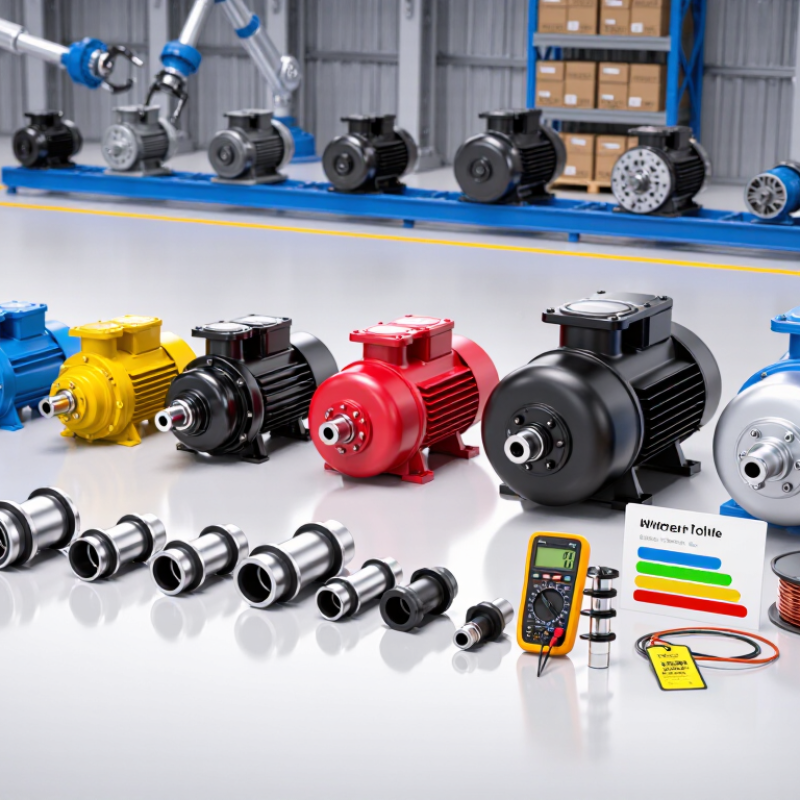
China Top 10 Pool Pump and Motor Suppliers

Pool Pump Industry Scope: 0.75–3 kW Motors and 5–15 m³/h Flow

China Top 10 Pool Pump and Motor Suppliers

Pool Pump Industry Scope: 0.75–3 kW Motors and 5–15 m3/h Flow

Buyers comparing China’s leading pool pump suppliers need a clear scope: 0.75–3 kW motors and 5–15 m3/h flow. This range covers many residential and light commercial circulation systems. Yet flow is never a standalone promise. Actual output changes with pipe length, filter resistance, fittings, and water level. Ask for pump curves and test conditions. Also request efficiency data, protection ratings, and service documentation.

During supplier evaluations, I check rated flow at defined head pressure, startup behavior, vibration, seal construction, and thermal rise. A 1.5 kW motor may seem adequate. Poor hydraulic matching can still waste power. Compare energy use at the operating point, not maximum flow. Confirm voltage, frequency, IP rating, insulation class, and replaceable wear parts. Sample testing reveals details that catalogues often hide. Keep measured records.

My early screenings focused too much on catalogue power. That was a mistake. A quieter motor, stable bearings, and accessible service parts may matter more than another 0.25 kW. Reliable suppliers should explain factory testing, batch traceability, warranty limits, and spare-part availability. I prefer measured data over polished claims. Some figures remain optimistic. Independent verification is still worthwhile when pumps operate for many hours.
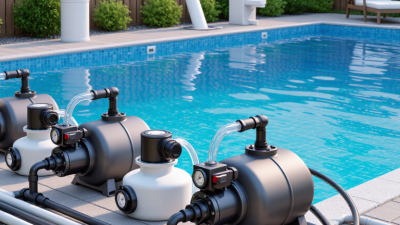
Supplier Ranking Criteria: ISO 9001, CE, and IEC 60034-30-1 IE3

China Top 10 Pool Pump and Motor Suppliers

Supplier Ranking Criteria: ISO 9001, CE, and IEC 60034-30-1 IE3

A credible supplier ranking should begin with verifiable quality systems, not promotional claims. ISO 9001 shows that a supplier controls purchasing, production, inspection, and corrective actions. Reviewers should request valid certificates, audit scope, and issuing-body details. Factory visits can reveal whether procedures match daily work. Clean assembly areas help, but records matter more.

CE marking indicates conformity with relevant European requirements for applicable products. It does not replace independent performance testing. Check technical files, declarations, protection ratings, and safety test records. For motors, IEC 60034-30-1 IE3 classification is especially important. Confirm rated power, frequency, efficiency values, and the exact motor model on test reports. A clear nameplate should match every document.

Practical experience also matters. Ask suppliers for pump curves, endurance data, noise measurements, and vibration results. Inspect shaft sealing, cable entries, and corrosion protection before shipment. Service response deserves a measurable score. Can the supplier provide replacement parts within a stated period? Can engineers explain failures without vague language?

Certification alone is not enough. Some documents may be current while production has changed. This is where rankings become imperfect. Independent sample testing and batch traceability reduce that risk. A careful comparison should combine compliance, engineering evidence, manufacturing consistency, and after-sales reliability. Numbers help, but field feedback still exposes weaknesses.

China’s Top 10 Pool Pump and Motor Suppliers: Products and Capacity

China’s Top 10 Pool Pump and Motor Suppliers: Products and Capacity

China’s top ten pool pump and motor suppliers serve residential, commercial, and public aquatic facilities. Their product ranges usually include self-priming pumps, circulation pumps, filtration units, variable-speed motors, and replacement components. Many factories support private-label production, technical drawings, and voltage customization. This flexibility helps distributors match different pool sizes and regional electrical standards.

Production capacity differs greatly across the group. Larger suppliers may operate several assembly lines, automated winding equipment, and dedicated performance laboratories. Their monthly output can reach thousands of pump sets, while smaller specialists often focus on engineering control and short production runs. Typical testing includes flow rate, head pressure, insulation strength, noise, vibration, and water-leak resistance. Factory audits should verify these claims.

Details matter.

Experienced buyers should examine motor efficiency, impeller material, shaft corrosion resistance, seal design, and controller protection. A pump that looks powerful may consume excessive energy during long filtration cycles. Variable-speed models can reduce operating costs, but only when programmed correctly. Certification documents, sample reports, warranty terms, and spare-parts availability also reveal supplier reliability. Capacity figures alone can mislead. Some suppliers report theoretical output rather than consistent monthly production. That weakness deserves careful review. Supplier rankings should therefore consider tested performance, delivery records, engineering support, and after-sales responsiveness, not factory size alone.

Technical Benchmark: 50/60 Hz, IP55 Protection, and Hydraulic Efficiency

China’s top 10 pool pump and motor suppliers should be judged beyond catalog power ratings. Frequency compatibility matters first: 50 Hz is standard across much of Asia and Europe, while 60 Hz dominates North America. A motor designed for one frequency may change speed, current, and hydraulic output at the other. Buyers should request tested curves for both conditions, not rely on conversion claims.

IP55 protection is a practical baseline for equipment rooms. Under IEC 60034-5, IP55 limits harmful dust entry and resists water jets. It does not mean immersion protection. Inspectors should check gland sealing, terminal-box drainage, and shaft-seal design. Small details often decide service life. The U.S. Department of Energy’s Pool Pumps and Motors Final Rule identifies efficiency improvements as a significant energy-saving opportunity, particularly for variable-speed equipment. However, efficiency labels alone can mislead when flow and head points differ.

Hydraulic efficiency must be compared at identical duty conditions. ANSI/HI 14.6 provides a recognized framework for pump acceptance testing, including performance tolerances. Suppliers should provide head-flow curves, input power, and measured efficiency at the operating point. A pump showing 80% peak efficiency may perform poorly at a half-open valve. That weakness is easy to miss. Independent testing, traceable instruments, and factory quality records strengthen E-E-A-T credibility. Some published figures remain optimistic; procurement teams should challenge them with site data, seasonal voltage variation, and actual filter pressure losses.

Buyer Due Diligence: MOQ, Lead Time, Warranty, and Export Compliance

China Top 10 Pool Pump and Motor Suppliers

Comparing the top ten suppliers requires more than checking prices and product photos. Ask each factory for its MOQ, production capacity, and recent delivery records. A trial order of 20 units may reveal more than a polished catalog. Confirm whether the MOQ applies per model, voltage, or color. These details can change the final purchasing cost.

Lead time should be divided into production and shipping. For example, a supplier may promise 25 days, excluding port handling and customs clearance. Request a written schedule with approval, assembly, inspection, and dispatch dates. Warranty terms also need careful reading. Check coverage duration, replacement procedures, spare-part availability, and exclusions for dry running, poor water quality, or incorrect installation. The cheapest warranty may offer little practical protection.

Export compliance deserves equal attention. Ask for the correct HS classification, commercial invoice, packing list, certificate of origin, and applicable test reports. Confirm motor voltage, frequency, plug type, labeling, and safety requirements for the destination market. A supplier should explain how it controls serial numbers and tracks defective batches. Be cautious when documents arrive late or contain inconsistent company details. That is a warning sign.

A low MOQ can hide a high unit price. A short lead time can exclude testing. Buyers should record every promise in the purchase contract, not only in chat messages. This process feels slower, but it reduces costly surprises. No supplier is perfect, and even experienced buyers can overlook one small compliance detail.

Call (416) 661-5667