China Top 10 Pool Pump Motor Manufacturers?
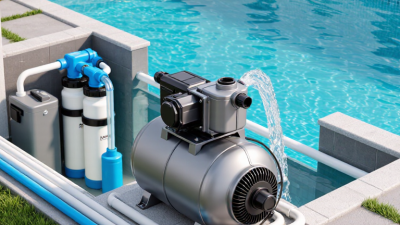
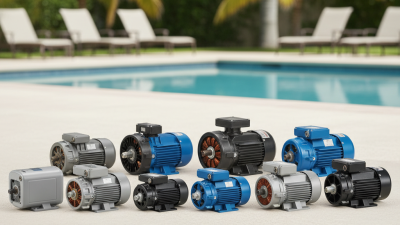
Choosing among China’s top 10 pool pump motor manufacturers requires more than comparing prices or factory photographs. A reliable review must examine motor efficiency, insulation quality, corrosion resistance, noise levels, warranty support, and production consistency. These details matter beside a real pool, where humid air, chlorinated water, and long operating hours expose weak components quickly.
Rudy Stankowitz, a veteran pool-industry consultant and educator, has said, “The pump is the heart of the pool system.” That simple observation remains useful when evaluating pool pumps motors. A strong manufacturer should offer stable performance, practical energy savings, accessible replacement parts, and clear technical documentation. Certifications also deserve attention, but paperwork alone cannot prove dependable field performance.
This guide compares leading Chinese manufacturers through an evidence-based lens. It considers engineering capability, export experience, quality-control procedures, customer feedback, and after-sales responsiveness. Factory scale is not everything. A smaller supplier may provide better communication, while a larger producer may deliver stronger testing resources. That difference can become visible when a motor runs continuously during a hot summer.
The ranking is not absolute. Product models change, and supplier performance can vary between batches. That is worth remembering. Buyers should request test reports, sample units, efficiency curves, and warranty terms before making a final decision. Some claims may still require independent verification. Even a polished catalogue can hide practical weaknesses. This introduction provides a starting point for informed comparison, not a substitute for technical due diligence.
What Makes a Leading Pool Pump Motor Manufacturer in China?
China Top 10 Pool Pump Motor Manufacturers?
What Makes a Leading Pool Pump Motor Manufacturer in China?
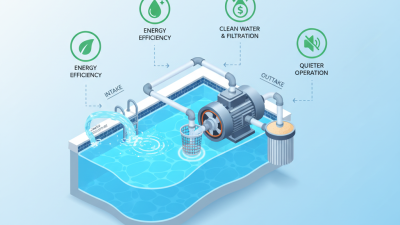
A leading Chinese pool pump motor manufacturer starts with measured efficiency, not attractive brochures. The U.S. Department of Energy reports that variable-speed pool pumps can significantly reduce electricity consumption compared with single-speed designs. ENERGY STAR data also indicates savings of up to 65% for qualified pool pumps. These figures make motor control, permanent-magnet technology, and accurate speed regulation important selection criteria.
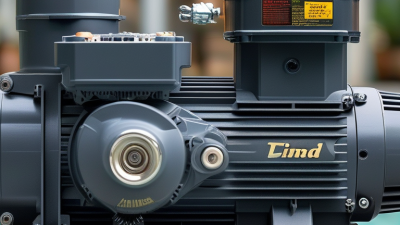
Experienced buyers should inspect the motor’s working details. Look for copper windings, Class F or higher insulation, sealed bearings, and corrosion-resistant housings. An IP55 rating is useful, but saltwater applications may require stronger protection. Thermal overload protection matters too. A failed pump motor can stop circulation during the hottest week of summer.
Testing discipline separates serious manufacturers from capable-looking factories. Ask for efficiency curves, noise measurements, endurance records, and reports from accredited laboratories. ISO 9001 certification supports process control, but it does not guarantee every motor performs well. That distinction is often missed.
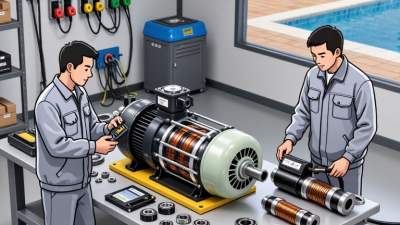
Manufacturers serving international markets should provide traceable components and clear compliance documents. The International Energy Agency continues to identify motor systems as a major electricity-saving opportunity across industry. Pool equipment is smaller, yet thousands of operating hours still matter. In factory audits, I would examine winding consistency, rotor balance, water-seal durability, and final inspection records. One weak seal can ruin an otherwise efficient design. Cost remains important, but the cheapest motor may become the most expensive choice.
China’s Top 10 Pool Pump Motor Manufacturers
China’s Top 10 Pool Pump Motor Manufacturers
China’s top 10 pool pump motor manufacturers are often assessed through engineering depth, production consistency, and after-sales support. A reliable supplier should explain motor efficiency, insulation class, shaft materials, and enclosure protection clearly. It should also provide test records, not only polished catalog images.
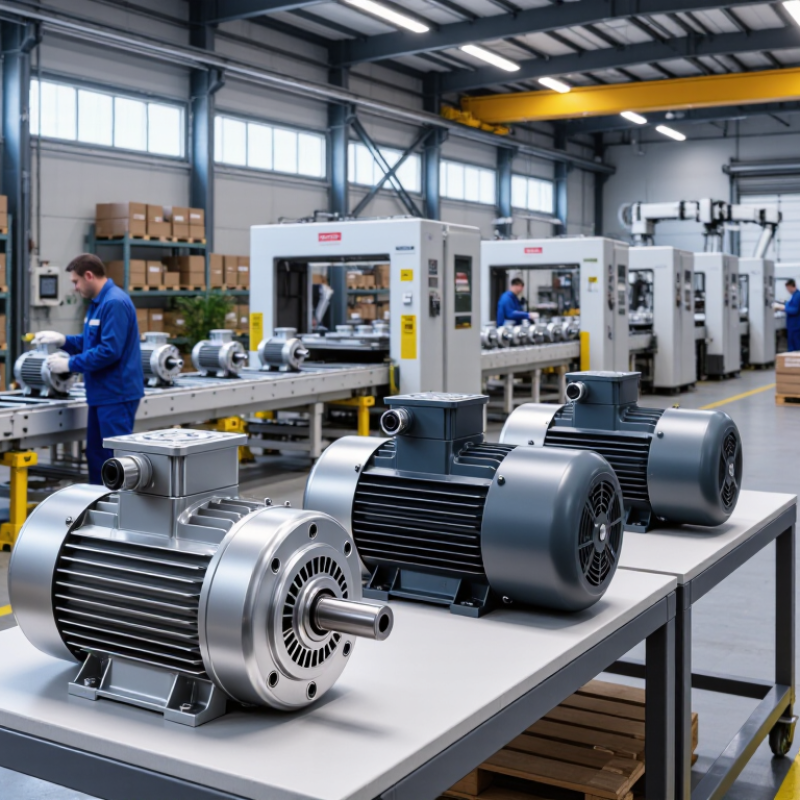
In practical sourcing work, buyers usually compare thermal endurance, vibration levels, noise output, and starting performance. A motor running beside a residential pool should not sound like a workshop machine. IP-rated housing, corrosion-resistant components, and stable sealing are essential in humid equipment rooms. Factories with automated winding lines can improve consistency, but automation alone proves little. Human inspection still matters.
A useful review includes factory audits, sample testing, and checks on replacement parts. Ask for performance curves at different loads. Request evidence of quality control, export experience, and compliance with the destination market’s requirements. The strongest manufacturers normally offer customized voltage, frequency, mounting dimensions, and cable options. However, customization may increase lead times and minimum order quantities. That detail is easy to miss.
A ranking is never perfectly objective. Some manufacturers communicate well but lack deep testing data. Others build excellent motors yet present information poorly. Buyers should judge measurable performance, documentation, and long-term cooperation rather than price alone. Small details matter.
China’s Top 10 Pool Pump Motor Manufacturers: Common Power Classes
This chart presents common nominal power classes used in pool pump motors, converted from mechanical horsepower to kilowatts using 1 hp = 0.746 kW. These are industry-standard reference ratings and do not represent individual company or brand performance.
Key Products and Technologies Offered by Each Manufacturer
China’s top pool pump motor manufacturers increasingly compete through efficiency, sealing, and control technology. The leading ten typically offer permanent-magnet synchronous motors, variable-speed drives, and corrosion-resistant housings. These products suit residential pools, hotel systems, and commercial filtration rooms. Quiet operation matters.
Several manufacturers focus on inverter-driven motors with adjustable speeds from roughly 600 to 3,450 rpm. Lower speeds reduce flow noise and energy demand during filtration. ENERGY STAR reports that certified variable-speed pool pumps can use substantially less energy than single-speed models, depending on operating schedules and hydraulic design. Some suppliers add digital displays, remote monitoring, dry-run protection, and automatic restart functions. Others provide high-head motors for water features and spa circulation.
Product differentiation becomes clearer in the details. One group develops copper-wound induction motors for cost-sensitive replacement markets. Another uses permanent magnets to improve part-load efficiency. Several offer IP55 or higher protection, sealed bearings, thermal overload protection, and compatibility with 50 Hz and 60 Hz grids. The U.S. Department of Energy’s dedicated-purpose pool pump test procedures emphasize hydraulic performance and energy consumption, making laboratory data more useful than brochure claims. Yet comparisons remain imperfect. Real savings depend on pipe diameter, filter resistance, runtime, and installation quality. A technically advanced motor can still waste energy when oversized. That point is easy to miss.
How to Compare Chinese Pool Pump Motor Suppliers
China Top 10 Pool Pump Motor Manufacturers?
How to Compare Chinese Pool Pump Motor Suppliers
Comparing Chinese pool pump motor suppliers requires more than checking a ranking list. Start with motor power, voltage range, speed, shaft material, insulation class, and protection rating. These details affect performance in hot, humid equipment rooms. Ask whether the motor has thermal protection and corrosion-resistant coatings. A supplier should provide clear datasheets, test records, and traceable batch information. Experience matters here. A low price may hide weaker bearings or inconsistent winding quality.
Request samples before placing a large order. Run them with your intended pump, water flow, and operating schedule. Measure noise, vibration, starting current, temperature rise, and energy use. Short tests can reveal problems. Longer tests are better. Ask for factory inspection photos, production procedures, and quality-control checkpoints. Independent testing can strengthen confidence, especially when documents look incomplete. Numbers can mislead.
Commercial terms deserve equal attention. Compare minimum order quantities, tooling charges, lead times, packaging, spare-part access, and warranty handling. Confirm how defects are recorded and resolved. Check whether the supplier understands the standards required in your sales markets. A polished catalog is not proof of technical ability. One overlooked detail, such as an unsuitable shaft seal, can damage field reliability. Keep written specifications and approve a pre-production sample before mass production. Supplier communication also matters; delayed answers often become delayed service.
China Top 10 Pool Pump Motor Manufacturers? - How to Compare Chinese Pool Pump Motor Suppliers
| Rank |
Anonymous Supplier Profile |
Typical Motor Type |
Rated Power Range |
Common Voltage / Frequency |
Ingress Protection |
Insulation Class |
Efficiency Focus |
Typical MOQ |
Sample Lead Time |
Best Fit |
| 1 |
Supplier Profile A |
Single-phase asynchronous motor |
0.37–2.2 kW |
220–240 V / 50–60 Hz |
IP55 |
Class F |
Standard efficiency |
100–300 units |
15–25 days |
Residential filtration pumps |
| 2 |
Supplier Profile B |
Three-phase asynchronous motor |
1.1–7.5 kW |
380–415 V / 50 Hz |
IP55 |
Class F |
IE2–IE3 options |
50–150 units |
20–30 days |
Commercial and hotel pools |
| 3 |
Supplier Profile C |
Permanent-magnet synchronous motor |
0.75–5.5 kW |
220–240 V / 50–60 Hz |
IP55–IP65 |
Class F |
High-efficiency design |
50–100 units |
25–35 days |
Variable-speed pool systems |
| 4 |
Supplier Profile D |
Single-phase capacitor-start motor |
0.55–3.0 kW |
110–120 V or 220–240 V |
IP55 |
Class F |
Balanced cost and output |
100–500 units |
15–25 days |
OEM pump assemblies |
| 5 |
Supplier Profile E |
Water-cooled asynchronous motor |
0.25–1.5 kW |
220–240 V / 50–60 Hz |
IPX5–IP55 |
Class F |
Compact and low-noise |
200–500 units |
20–30 days |
Small above-ground pools |
| 6 |
Supplier Profile F |
High-head centrifugal pump motor |
1.5–11 kW |
380–415 V / 50 Hz |
IP55–IP65 |
Class F or H |
High-flow applications |
30–100 units |
25–40 days |
Public and large commercial pools |
| 7 |
Supplier Profile G |
Variable-frequency-drive motor |
0.75–7.5 kW |
220–240 V or 380–415 V |
IP55 |
Class F |
Energy-saving operation |
50–200 units |
25–35 days |
Smart and automated filtration |
| 8 |
Supplier Profile H |
Explosion-resistant industrial motor |
1.1–5.5 kW |
380–415 V / 50 Hz |
IP55 |
Class F |
Safety-oriented construction |
20–80 units |
30–45 days |
Specialized industrial water systems |
| 9 |
Supplier Profile I |
Low-noise permanent-magnet motor |
0.5–3.0 kW |
220–240 V / 50–60 Hz |
IP55 |
Class F |
Low vibration and noise |
100–300 units |
25–35 days |
Premium residential equipment |
| 10 |
Supplier Profile J |
Custom OEM/ODM motor platform |
0.37–15 kW |
110–480 V / 50–60 Hz |
IP55–IP65 |
Class F or H |
Application-specific design |
20–100 units |
30–60 days |
Custom pump and system projects |
Comparison note: Specifications, MOQ, pricing, certifications, and lead times can vary by model and order quantity. Confirm the motor datasheet, performance curve, test report, warranty terms, and applicable market certifications before placing an order.
Tips for Selecting the Right Pool Pump Motor Manufacturer
China Top 10 Pool Pump Motor Manufacturers
Tips for Selecting the Right Pool Pump Motor Manufacturer
Choosing among China’s leading pool pump motor manufacturers requires more than comparing prices. Review the motor’s power range, efficiency data, insulation class, and protection rating. A pump room can be humid, hot, and noisy, so laboratory figures should match real operating conditions. Ask for test reports from independent laboratories. Request product samples before placing a large order. Small details matter, including cable length, shaft size, mounting holes, and noise levels.
Factory capability deserves close attention. Check whether the manufacturer controls winding, assembly, testing, and quality inspection internally. A clear production flow often reduces inconsistent performance. Ask how many endurance tests each motor receives and how failures are recorded. Confirm available certifications for your target market, warranty terms, replacement parts, and technical response times. A reliable supplier should explain these points without vague promises. It should also provide stable lead times and clear minimum order quantities.
The cheapest quote can hide weak bearings or poor sealing. Look deeper. A video call is useful, but an independent factory audit offers stronger evidence. No checklist is perfect. I would still test motors with the actual pump housing and water conditions. Saltwater use, frequent starts, and long summer operation can expose problems that a short bench test misses. Leave room for honest questions and documented corrections.