What Are the Top Swimming Pool Pumps and Motors in 2026?
Choosing among the top swimming pool pumps and motors in 2026 requires more than comparing horsepower and price. A pump that sounds powerful may waste electricity, create excessive noise, or struggle with a dirty filter. Real performance depends on pool volume, plumbing resistance, turnover requirements, climate, and maintenance habits. Small details matter. A cracked basket lid can quietly reduce circulation.
The U.S. Department of Energy’s pool pump efficiency standards highlight the importance of motor efficiency and control systems. ENERGY STAR also reports that variable-speed pool pumps can use substantially less energy than traditional single-speed models, potentially reducing operating costs by up to 80 percent in suitable applications. These figures are useful, but they are not universal promises. Installation quality, daily runtime, and local electricity prices can change the result.
Market research from Grand View Research and Fortune Business Insights indicates continued growth in energy-efficient pool equipment, supported by smarter controls and stricter efficiency expectations. Yet market size does not identify the best pump for every homeowner. A commercial-grade motor may be unnecessary for a compact backyard pool. Conversely, an undersized unit may run longer, overheat, and fail earlier.
This guide examines leading models through practical criteria: hydraulic efficiency, motor technology, noise, durability, controls, warranty support, and service access. Manufacturer claims will be compared with recognized efficiency guidance and real installation considerations. No ranking is perfect. Product data can also become outdated. The strongest choice is the pump that delivers reliable circulation without paying for power the pool does not need.
How Pool Pumps and Motors Work
How Pool Pumps and Motors Work
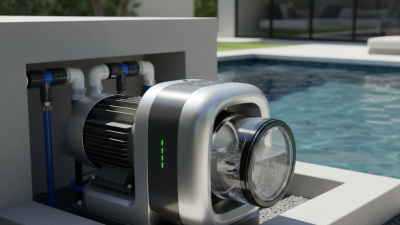
A pool pump does not “clean” water by itself. It moves water through the filtration and treatment system, then returns it to the pool. Inside the pump, an electric motor spins an impeller. The impeller creates low pressure at the inlet and pushes water toward the filter. You can often hear this process as a steady hum and feel the return flow at the pool wall.
The motor’s speed matters. A single-speed motor runs at one fixed rate, while a variable-speed motor can slow down for routine circulation and speed up when needed. Lower speeds often use less power because pump energy demand rises sharply with speed. ENERGY STAR reports that certified pool pumps use about 70% less energy than standard models. That figure is a useful comparison, not a promise for every pool; plumbing layout, filter condition, and operating hours affect actual savings.
A clean basket helps maintain flow. So does a correctly sized pump. An oversized unit may push water too quickly, raising energy use and stressing filters or pipes.
Not always obvious. Check the pump’s flow and pressure readings, and follow the equipment manual before changing settings.
U.S. Department of Energy efficiency standards also address pool-pump energy use, underscoring that motor performance is a practical operating cost—not just a technical detail.
Key Criteria for Comparing Pool Pumps in 2026
Choosing a pool pump in 2026 starts with matching flow to the pool, not chasing maximum horsepower.
Ask a qualified pool professional to calculate total dynamic head (TDH), accounting for pipe length, filters, heaters, and fittings. A pump that moves too much water can waste energy and strain equipment. Check flow needs for cleaning systems and water features, too. Small details matter.
The U.S. Department of Energy’s pool-pump test procedure uses weighted energy factor (WEF), measured in thousands of gallons per kilowatt-hour. A higher WEF means more water moved per unit of electricity under standardized testing. Compare that rating with your actual operating schedule; low-speed circulation often uses much less energy than high-speed operation. ENERGY STAR estimates certified pool pumps can use about 70% less energy than standard pumps. That figure is useful, not a guarantee; pool size and usage affect real savings.
Look beyond efficiency.
Confirm motor and plumbing compatibility, control options, and whether a technician can set suitable speeds for filtration and backwashing. Noise near bedroom windows, easy access to the strainer basket, and warranty coverage also shape everyday value. Record run times and electricity use after installation, then adjust settings gradually. The best schedule may take some trial and error.
Main Types of Pool Pumps and Motor Technologies
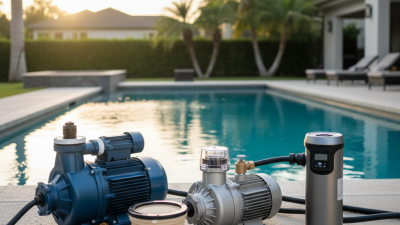
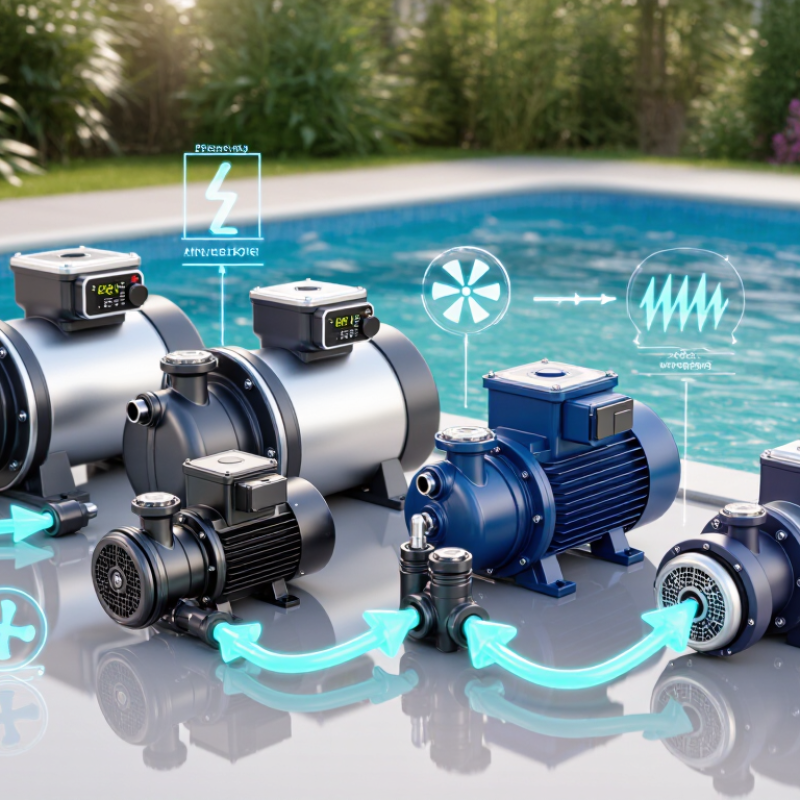
Pool pumps are commonly single-speed, two-speed, or variable-speed. A single-speed pump runs at one fixed rate, even when full flow is unnecessary. Two-speed models switch between high and low settings. Variable-speed pumps let you adjust flow to suit circulation, cleaning, or features such as a waterfall. Lower speeds can reduce energy use, but the right schedule depends on pool size, plumbing, and filtration needs.
Motor technology also matters. Many pumps use AC induction motors, valued for their familiar, straightforward design. Some variable-speed systems use permanent-magnet motors, which can operate efficiently at reduced speeds. Actual performance depends on the complete pump system, not just the motor. A mismatched pump may create excess pressure or poor circulation. One detail is easy to overlook: a quieter motor does not automatically mean the filter is receiving enough flow.
Tips:
Check the pump’s flow range against your filter and any heater or cleaner. Note the plumbing size and listen for unusual vibration after installation. Start with a conservative run schedule, then check water clarity and adjust. It may take a little trial and error.
Leading Pool Pump and Motor Options by Use Case
For most in-ground residential pools running several hours daily, a variable-speed pump is the practical starting point. ENERGY STAR’s pool-pump guidance reports that certified models can use up to 65% less energy than standard models. Lower-speed circulation often suits routine filtration; higher speeds may be needed for cleaners or water features. Quiet matters. The best choice still depends on the pool’s plumbing, filter, and required flow—not just its volume.
Small above-ground pools with simple plumbing may need less capacity, while large pools or systems with elevated features can require a higher-head pump. Match the motor’s voltage, frame, and shaft to the existing setup before replacing it. A motor that fits physically may still be electrically incompatible. That detail is easy to overlook. Oversizing is tempting, but excess flow can raise pressure and waste power; the correct pump curve matters more than a big horsepower number.
Tips: Check the filter’s stated flow limit and measure the plumbing before buying. Ask an installer to verify the system’s flow requirements. ENERGY STAR savings are useful guidance, not a guarantee for every pool. Real-world results vary with run time, water features, and maintenance.
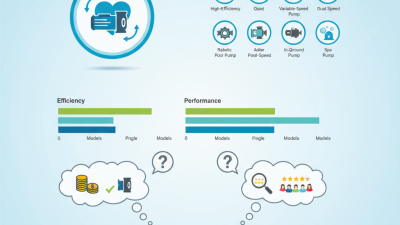
Pool Pump Motor Options in 2026: Typical Speed Ranges
Compare representative operating speeds to help match a motor type to everyday filtration needs. Actual speeds vary by model and configuration.
Single-speed motors typically run at one fixed speed; dual-speed motors commonly offer high and low settings; variable-speed motors allow a broader adjustable range. Lower speeds can suit routine circulation, while higher speeds may be needed for tasks requiring greater flow.
How to Select a Pump for Pool Size and System Needs
Choosing a pool pump starts with the pool’s volume, plumbing, and required turnover—not horsepower alone. Calculate volume from the pool’s shape, then ask a qualified pool technician to estimate total dynamic head, including pipe length, filters, heaters, and fittings. A pump that pushes too much water can raise pressure, strain equipment, and waste electricity. Too little flow may leave cloudy water or make a heater operate poorly. Small details matter: a narrow pipe bend or a dirty filter can change the system’s resistance.
Energy use deserves equal attention. ENERGY STAR reports that certified pool pumps can be up to 65% more energy-efficient than standard pumps. That figure is a useful comparison, not a guaranteed saving; actual results depend on run time, local electricity rates, and system design. For many residential pools, a variable-speed motor can run slowly for routine circulation and faster when cleaning or heating requires more flow. Ask for the pump’s flow rate at your system’s estimated head, rather than relying on its maximum rating. Measure the existing plumbing, note filter pressure, and compare estimated annual energy use. The neat calculation may still miss seasonal changes. Check it against real operating conditions.
What Are the Top Swimming Pool Pumps and Motors in 2026? - How to Select a Pump for Pool Size and System Needs
| Pool volume |
Example flow for an 8-hour turnover |
Pump type to consider |
Motor considerations |
Key sizing checks |
| Up to 10,000 gallons |
About 21 GPM |
A small single-speed or variable-speed pump, selected for the system’s required flow |
A variable-speed motor can run at lower speeds for routine circulation; confirm electrical supply and motor compatibility. |
Check the pump curve at estimated total dynamic head (TDH), plus the filter’s allowable flow rate. |
| 10,001–20,000 gallons |
About 21–42 GPM |
Variable-speed for adjustable circulation; a two-speed option may suit systems that need only two operating rates. |
Choose a motor that can meet peak equipment demands while also operating efficiently at a lower everyday speed. |
Include the resistance from plumbing, fittings, valves, elevation changes, and connected equipment. |
| 20,001–30,000 gallons |
About 42–63 GPM |
A variable-speed pump is often worth evaluating when the system needs different flow rates for circulation and accessories. |
Compare motor power and speed range with the required operating points, not just the advertised maximum flow. |
Verify that the filter, heater, cleaner, and other equipment can handle the intended flow. |
| 30,001–40,000 gallons |
About 63–83 GPM |
Select from pump curves at the system’s calculated TDH; a larger pool does not automatically require a larger motor. |
Use a motor and drive rated for the installation’s electrical service, environment, and expected duty. |
Have plumbing restrictions and equipment flow limits reviewed before choosing a high-flow pump. |
| More than 40,000 gallons |
More than 83 GPM at the same example turnover time |
Base selection on a hydraulic calculation; complex or high-flow systems may need a qualified pool professional to assess the design. |
Consider controllable speed and suitable motor protection; confirm local electrical and pool-equipment requirements. |
Check pipe velocity, filter capacity, equipment limits, and the pump’s operating point together. |
How the estimate is calculated: Flow (GPM) = pool volume (gallons) ÷ turnover time (minutes). The examples use 8 hours (480 minutes) and are planning estimates, not universal requirements. Actual pump flow depends on system resistance and must be confirmed using the pump curve at the installation’s TDH.