What Are the Top Swimming Pool Pumps and Motors in China?

Choosing among China’s swimming pool pumps and motors takes more than comparing horsepower or price. Buyers need to examine flow rate, head pressure, motor efficiency, noise, materials, and local service support. Small details matter: a pump that sounds quiet in a showroom may vibrate against a tiled equipment-room wall. A lower purchase price can also mean higher electricity costs over years of daily operation.

The Pool & Hot Tub Alliance’s 2023 Economic Impact Study estimated the U.S. pool and hot tub industry’s annual economic impact at about $62 billion. That figure describes the wider industry, not pump sales, but it shows the scale of the installed market. The U.S. Department of Energy’s 2024 final rule on dedicated-purpose pool pump motors offers another useful reference: efficiency standards are a serious part of pump selection. DOE standards specialist John Cymbalski is associated with the agency’s appliance-efficiency work; however, I could not verify a verbatim pool-pump quotation from him, so I will not invent one. A sound buying principle is simple: match the pump to the pool’s real hydraulic needs, then compare energy use and serviceability. No single model suits every pool. Chinese manufacturers offer varied options, and specifications still need careful checking.
What Are the Top Swimming Pool Pumps and Motors in China?

How Swimming Pool Pumps and Motors Circulate and Filter Water

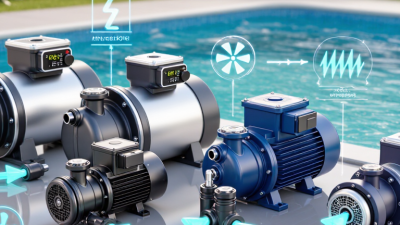
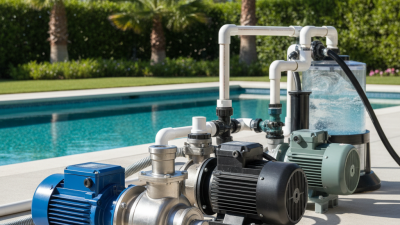
A swimming pool pump creates the steady flow that keeps water moving through the filtration system. The motor turns an impeller inside the pump housing, drawing water from skimmers and, where fitted, lower drains. Leaves and larger debris collect in a strainer basket before water reaches the filter. Small details matter.

Inside a sand, cartridge, or other suitable filter, finer particles are trapped as water passes through the filtering material. Cleaned water then travels through return pipes and re-enters the pool through wall jets. Those jets help distribute treated water, though corners and steps can still develop slow-moving spots. Checking circulation by watching floating debris can reveal these areas.

When comparing pool pumps and motors in China, consider pool volume, pipe layout, filter capacity, and local service support. A pump that is too powerful may waste energy or strain the filter; one that is undersized may circulate water poorly. Variable-speed models can reduce power use when operated at lower settings, but the right schedule depends on the pool and equipment. I would verify flow requirements with a qualified installer rather than rely on horsepower alone. A clean basket and filter also help the system perform as intended.

Main Types of Pool Pumps and Motors Available in China

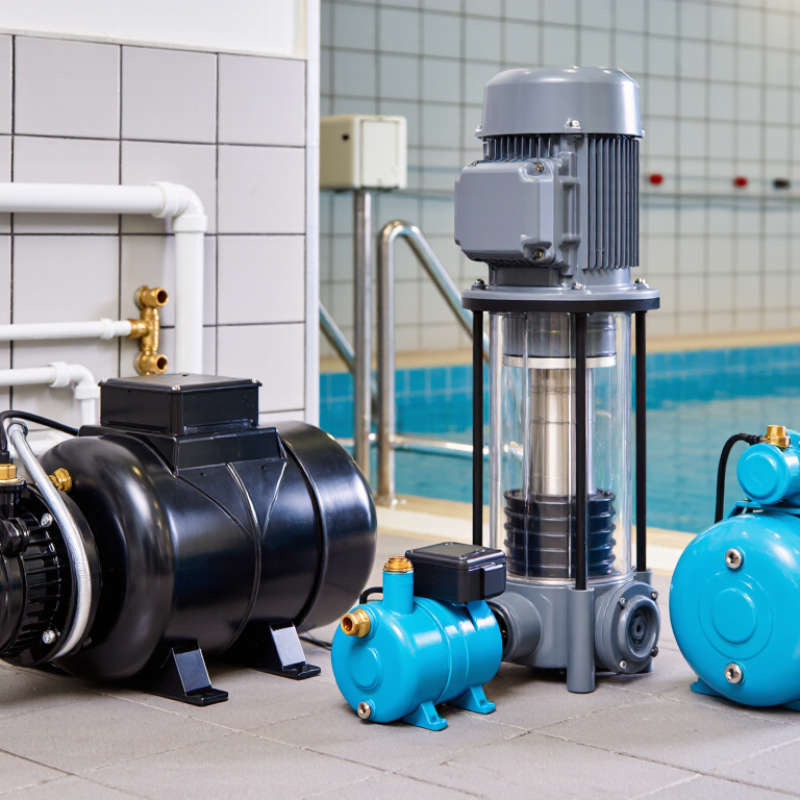
Pool pumps and motors available in China range from simple single-speed units to electronically controlled variable-speed models. Single-speed pumps run at one fixed rate. They are straightforward to operate, but may use more electricity when full flow is unnecessary. Dual-speed pumps offer a lower setting for routine filtration and a higher setting for cleaning or water features. Variable-speed pumps adjust output more precisely. An installer can match their speed to filter needs, pipe resistance, and pool size. Small adjustments matter.

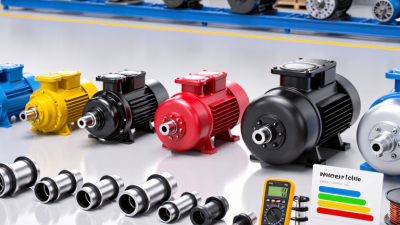
Pump design also affects installation. Self-priming models can lift water from below the pump, while flooded-suction designs sit below the waterline. Common motor choices include induction motors and permanent-magnet motors. Permanent-magnet designs can support efficient variable-speed control, though actual performance depends on the whole system. Check the motor’s voltage, enclosure rating, noise level, and compatibility with the pump housing. A quiet motor is not automatically the right one.

For a practical comparison, record the required flow rate and total head, then review the pump curve rather than relying only on horsepower. Ask suppliers for test data, spare-part details, and clear warranty terms. These details can be less exciting than a sleek control panel, but they are useful when a seal eventually needs replacing. I would not choose by price alone; sizing errors are easy to miss.

Leading Chinese Manufacturers of Swimming Pool Pumps and Motors

China’s leading swimming-pool pump manufacturers compete on hydraulic design, motor efficiency, and export-ready production. Grand View Research estimated the global swimming-pool equipment market at USD 13.7 billion in 2023, with projected annual growth of 4.5% through 2030. This broader category includes more than pumps, so it cannot establish Chinese suppliers’ market shares or rank individual factories. Still, it signals steady demand for dependable circulation equipment. Small details matter. Buyers should compare pump curves, rated flow, head, and energy use against the actual pool layout, not just the catalogue headline.

Experienced manufacturers typically offer several pump configurations and motor options for residential and commercial pools. Ask for performance-test records, materials specifications, noise data, and clear warranty terms. A corrosion-resistant housing and sealed motor can matter in a humid equipment room. So can accessible replacement parts. A pump that meets its rated flow under test may perform differently in a long, narrow pipe system. The data has limits, and supplier claims need checking. Independent testing and sample operation can reveal gaps before a bulk order.

How to Compare Pump Performance, Efficiency, and Durability

What Are the Top Swimming Pool Pumps and Motors in China?
How to Compare Pump Performance, Efficiency, and Durability

A strong pump is not simply the one with the highest flow rate. Compare its pump curve with your pool’s required flow and total system resistance. Pipe length, filters, heaters, and fittings all affect the workload. Check the flow rate at your actual operating pressure, not just the maximum figure on a product sheet. A pump that moves water quickly may use more electricity than necessary. Look for motor input power and calculate energy use over typical daily operation. Small differences add up.

Tips: Ask suppliers for test conditions and performance curves. Compare like with like. Check noise ratings, seal materials, housing resistance to pool chemicals, and whether replacement parts are available. For variable-speed models, confirm that low-speed settings still support filtration needs.

Durability depends on more than a metal casing. Inspect the shaft seal, bearings, cooling design, and protection against moisture. Ask how the motor handles frequent starts and long operating hours. An efficiency label is useful, but it does not replace installation details or independent testing. I would also leave room for uncertainty: laboratory results may not match a real equipment room, especially with poor ventilation or clogged filters. Request clear warranty terms and service guidance before choosing. A well-matched pump often matters more than a larger one.

How Pump Speed Affects Performance and Energy Use

Illustrative centrifugal-pump affinity-law comparison, with full speed normalized to 100.

In idealized conditions, flow changes in proportion to speed, head to speed squared, and power to speed cubed. At 80% speed, the theoretical power index is about 51; at 60%, about 22. Actual results depend on the pump, plumbing system, operating point, and motor controls. Compare rated efficiency, materials, ingress protection, and warranty terms when assessing durability.

How to Choose a Pool Pump and Motor for Your Needs

Choosing a pool pump and motor starts with the pool, not the product label. Estimate the pool’s water volume, then check the filter’s required flow rate and the plumbing layout. Long pipes, tight bends, and elevated equipment can increase resistance. A pump that looks powerful on paper may deliver less flow once installed. Measure carefully.

Match the pump’s flow to the filter and any connected features, such as a heater or water jets. Variable-speed models can reduce energy use when run at lower speeds for routine circulation, but they may cost more initially. Compare the total cost, not just the purchase price. Check motor compatibility, service access, and the manufacturer’s performance data before buying. Noise matters, too; a pump beside a bedroom window can become an everyday annoyance.

Installation conditions deserve attention. Confirm the electrical supply and local requirements with a qualified professional, and keep the pump protected from flooding and excess heat. A smaller pump may be quieter and economical, yet struggle with demanding features. Bigger is not always better. I would also leave room for uncertainty: older plumbing or a partly blocked filter can change actual performance, so review the system after installation.

Call (416) 661-5667