Top Pool Pumps for Global Buyers?
Choosing the right pool pumps for global buyers requires more than comparing horsepower, price, and brand recognition. A pump that performs well beside a warm Mediterranean pool may struggle with voltage differences, mineral-heavy water, or limited local servicing elsewhere. Buyers must examine flow rate, total dynamic head, motor efficiency, noise, warranty coverage, replacement parts, and installation support. A quiet variable-speed pump can reduce energy use, but only when correctly sized and programmed. Oversizing remains a common and expensive mistake.
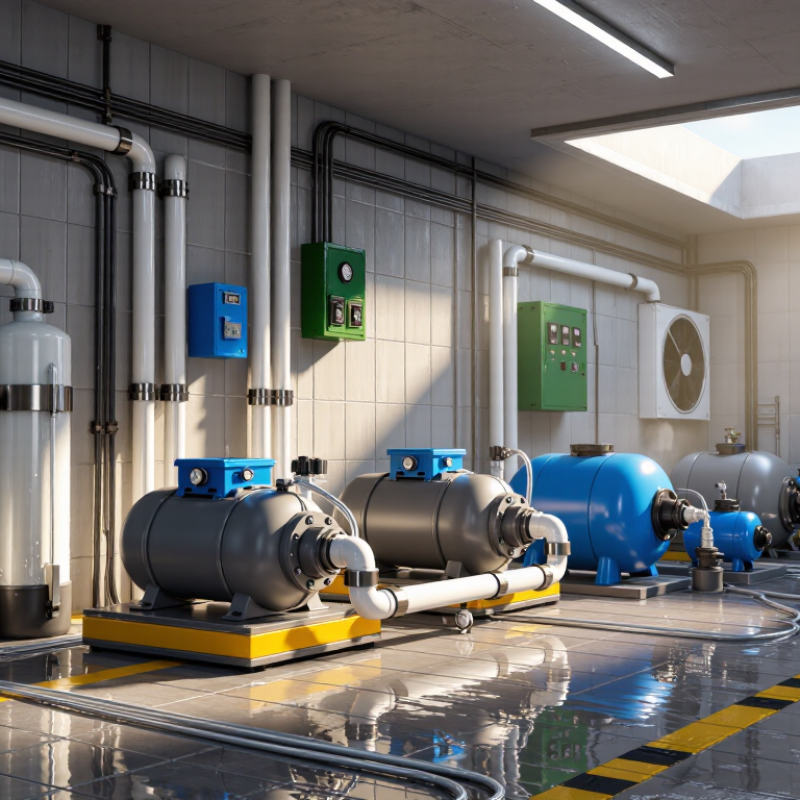
Pool-industry educator Rudy Stankowitz states, “The best pool pump is the one that matches the pool’s actual needs.” That principle guides this overview. We compare practical options for residential, commercial, and climate-diverse applications, while considering real ownership conditions. Think of a pump room at noon: hot air, wet floors, humming equipment, and a filter that needs steady pressure. Product labels rarely tell the whole story.
No ranking is perfect.
Some performance claims depend on testing methods, plumbing design, and regional electrical standards. Buyers should verify certifications, voltage compatibility, flow requirements, and authorized service before purchasing. This article also recognizes an uncomfortable point: the cheapest pump may become the costliest choice after repeated repairs or poor efficiency. Reliable selection requires evidence, not impressive packaging. Our recommendations focus on transparent specifications, proven operating experience, and long-term value. Personal priorities still matter. A remote resort, a family backyard, and a public facility cannot share one universal answer.
Understanding Pool Pump Types and Core Operating Principles
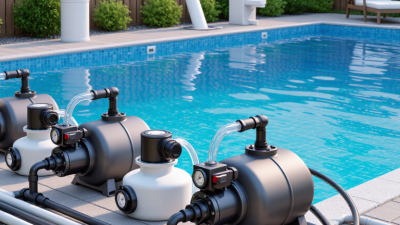
Pool pumps are the working heart of a circulation system. A centrifugal pump uses a rotating impeller to pull water through the suction line. The impeller then pushes water toward the filter and return jets. This movement supports filtration, chemical distribution, and steady water clarity.
Single-speed pumps run at one fixed rate and usually offer straightforward operation. Two-speed models provide a slower setting for routine circulation and a faster setting for cleaning.
Variable-speed pumps adjust motor speed gradually. Lower speeds often reduce noise and energy use, while higher speeds help with heating, vacuuming, or backwashing.
The exact benefit depends on pipe size, filter resistance, and daily operating hours.
Self-priming designs can remove air from the pump chamber after installation, but they still need correct setup. A blocked strainer basket can quickly reduce flow. So can a dirty filter. I once saw a pump blamed for weak circulation when the real problem was a partly closed valve. Small details matter.
Pump selection should match the pool volume, plumbing length, elevation changes, and required turnover rate. Oversizing is not automatically better. It may increase turbulence, operating costs, and pressure on equipment. Local electrical rules and professional installation also deserve attention, especially around wet areas. Even experienced owners should question catalogue performance figures, because laboratory flow rates may differ from real installations.
Comparing Energy Efficiency, Flow Rates, and Performance
Selecting a pool pump for global use requires more than comparing advertised horsepower. Energy efficiency affects monthly costs, especially in regions with high electricity prices. Variable-speed pumps usually reduce consumption by running slower for filtration and faster for cleaning. In practice, lower speed often saves more energy than short, powerful cycles. Noise matters.
Flow rate must match the pool volume, pipe diameter, filter capacity, and water features. A pump that moves too much water can increase pressure and waste electricity. A weak pump may leave dead zones, cloudy water, or uneven chemical distribution. Measure it carefully. Real performance depends on the entire circulation system, not the pump alone.
Reliable selection starts with verified performance curves, efficiency data, warranty terms, and electrical compatibility. Local voltage and frequency requirements should be checked before purchase. Certification from recognized testing bodies can provide useful reassurance, although certification does not guarantee perfect installation. I have seen buyers focus heavily on maximum flow and overlook operating noise, service access, and replacement parts. That approach can become expensive. A practical test is to record pressure, flow, and power use after installation, then compare those readings with the manufacturer’s specifications. Results may differ because pipe bends, filters, and water temperature change system resistance. Real pools are rarely as simple as brochures suggest.
Top Pool Pumps for Global Buyers: Energy Efficiency, Flow Rate, and Performance
This benchmark compares representative residential pool-pump operating profiles. Energy efficiency is calculated as water flow divided by electrical input power; actual results vary by plumbing, water head, filtration load, and operating conditions.
Variable-speed operation can deliver a strong balance between circulation capacity and energy use, while maximum-speed operation provides higher flow at a greater electrical cost.
Selecting Pump Features for Different Pool Sizes and Climates
Choosing a pool pump starts with pool volume, not a sales label. Calculate the water capacity and required turnover rate before comparing features. A small residential pool may need steady circulation, while a deep pool or shared facility needs stronger flow and longer operating hours.
Variable-speed control can reduce energy use and noise, especially when filtration runs for many hours. It also allows lower flow for heating, cleaning, and chemical distribution. For compact pools, avoid oversized pumps. Excess pressure can waste electricity and strain filters, heaters, and plumbing joints.
Climate changes the choice. In hot regions, a pump should support longer daily circulation and tolerate warm equipment-room temperatures. Coastal buyers should look for corrosion-resistant housing and sealed electrical components. In cold areas, drainage access and freeze protection matter more than maximum flow. Never rely on memory during winterizing. Missing one drain point can leave trapped water inside the system.
Wet conditions demand care. The pump should match local electrical safety requirements and be installed by a qualified professional. Pool owners should check noise, service access, filter compatibility, and replacement-part availability before purchase. These details are less exciting, but they affect years of maintenance.
A common mistake is trusting the pump’s highest flow figure. Real performance changes with pipe length, bends, elevation, and dirty filters. Measure the complete system, not just the equipment label. Recheck the calculation when the pool layout changes.
Evaluating Voltage, Certifications, Materials, and Global Compatibility
Top Pool Pumps for Global Buyers?
Voltage is the first practical filter, not a marketing feature. Global buyers may encounter 110–120 V or 220–240 V systems, with 50 or 60 Hz frequencies. A pump rated for the wrong frequency can run hotter, lose efficiency, or suffer premature failure. Check the nameplate, phase, plug configuration, and local electrical rules before comparing flow rates. The U.S. Department of Energy’s pool-pump test procedures emphasize standardized energy and hydraulic measurements, helping buyers compare performance under controlled conditions. Real installations remain less predictable.
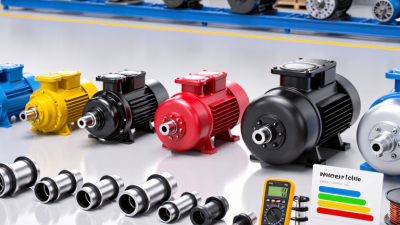
Certification shows whether a pump was evaluated for a specific market. Look for applicable requirements such as IEC 60335-2-41, UL 1081, or recognized regional conformity marks. Certification does not automatically prove suitability for every country. Verify the certificate scope, testing voltage, and authorized laboratory. Materials matter near chlorinated or saltwater. A glass-filled polymer housing can reduce corrosion, while stainless-steel components may improve durability in selected wet areas. However, stainless steel is not universally corrosion-proof. Water chemistry still wins.
ENERGY STAR reporting indicates that certified pool pumps can use substantially less electricity than standard single-speed models, with reported savings reaching about 65% in suitable applications. The exact result depends on runtime, pipe resistance, and control settings. Variable-speed operation often reduces low-load consumption, but its electronics need compatible power quality and weather protection. I would not trust a headline efficiency figure alone. Measure turnover needs, inspect cable glands, and confirm replacement parts availability locally. Small details decide whether a global purchase performs reliably beside a real pool.
Assessing Installation, Maintenance, Warranty, and Total Ownership Costs
Top Pool Pumps for Global Buyers?
For global buyers, a pool pump should be judged beyond its purchase price. Installation sets the first cost and the first risk. A properly sized pump can reduce wasted electricity and uneven water circulation. Ask whether local technicians understand the voltage, pipe diameter, drainage, and control system. Imported equipment may require adapters or specialist labor. That detail is easy to miss.
Maintenance affects both reliability and running expenses. Check how often filters, seals, baskets, and bearings need inspection. A clear service schedule helps owners plan costs before a small leak becomes motor damage. In my experience, accessible parts and readable manuals save more time than impressive app features. However, maintenance estimates are often optimistic. Dust, hard water, and long seasonal use can change them quickly. Record energy readings each month, even if the numbers look ordinary.
Warranty terms deserve careful comparison, not casual trust. Confirm coverage length, labor exclusions, shipping responsibilities, and approved repair locations. A replacement part may be covered while the technician’s visit is not. Cross-border claims can involve delays, customs paperwork, or unfamiliar documentation. Keep invoices, serial information, installation photographs, and service records together. Total ownership cost should include electricity, labor, consumables, repairs, downtime, and eventual replacement. A cheaper pump can become expensive after several difficult service visits. Not every estimate will be accurate. Recheck it after the first season.
Top Pool Pumps for Global Buyers? - Assessing Installation, Maintenance, Warranty, and Total Ownership Costs
| Pump Category |
Typical Motor Range |
Typical Purchase Price
(USD) |
Installation Cost
(USD) |
Estimated Annual Energy Use |
Annual Electricity Cost
at $0.15/kWh |
Routine Maintenance
per Year |
Typical Limited Warranty |
Expected Service Life |
Estimated 10-Year Ownership Cost
(USD) |
Best Fit for Global Buyers |
| Variable-Speed Pump |
0.75–2.2 kW |
$900–$1,800 |
$250–$700 |
700–1,500 kWh |
$105–$225 |
$80–$180 |
2–5 years |
8–12 years |
$3,400–$6,600 |
Buyers prioritizing low energy use, quieter operation, and long-term savings. |
| Dual-Speed Pump |
0.75–2.2 kW |
$650–$1,400 |
$250–$650 |
1,200–2,200 kWh |
$180–$330 |
$90–$190 |
2–3 years |
8–12 years |
$4,100–$7,300 |
Buyers seeking a balance between purchase price and energy efficiency. |
| Single-Speed Pump |
1.1–2.2 kW |
$350–$900 |
$200–$600 |
1,800–3,000 kWh |
$270–$450 |
$90–$200 |
1–3 years |
6–10 years |
$4,700–$8,100 |
Buyers with a limited initial budget and readily available local replacement parts. |
| Solar-Assisted Pump System |
0.4–1.5 kW pump; 0.8–2.5 kW solar array |
$1,500–$4,000 |
$800–$2,500 |
300–1,000 kWh grid equivalent |
$45–$150 |
$100–$250 |
2–5 years for pump; 5–12 years for inverter or controller |
8–15 years for pump; 10–25 years for panels |
$4,500–$9,500 |
Buyers in sunny regions with high electricity prices or unreliable grid service. |
Cost assumptions: Estimates are based on a residential pool of approximately 40–60 m³, seasonal or daily filtration, standard plumbing access, and a 10-year ownership period. Total ownership cost includes purchase, installation, electricity, routine maintenance, and typical allowance for replacement wear parts. Actual costs vary by flow rate, local labor, voltage, climate, operating schedule, electricity tariff, shipping, taxes, and service availability.